A Life Forged in Flight: The World of Adriaen Pietersz van de Venne
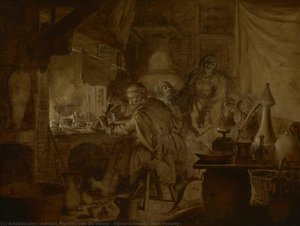
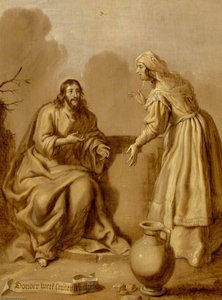
Adriaen Pietersz van de Venne, a name resonating with the vibrant energy of the Dutch Golden Age, was more than just a painter; he was a visual storyteller, a social commentator, and a versatile artist who navigated the complex currents of 17th-century life. Born in Delft in 1589, his very origins were steeped in upheaval. His parents, fleeing religious persecution in the Southern Netherlands, instilled within him a sense of displacement that perhaps fueled his keen observation of societal fractures and human foibles. This early experience shaped not only his artistic vision but also his commitment to using art as a mirror reflecting the world around him—its joys, its sorrows, and its often-pointed ironies. Van de Venne’s education began in Leiden, where he immersed himself in the intellectual ferment of the university town, acquiring a grounding in Latin that would later serve him well in understanding classical allegories and humanist thought. His formal artistic training commenced with Simon de Valk, a master goldsmith and painter, followed by an apprenticeship with Jeronimus van Diest, honing his skills in the delicate art of grisailles—monochrome paintings executed in shades of gray, a technique that would become a hallmark of his style.Early Influences and Artistic Formation
The formative years of Adriaen Pietersz van de Venne were marked by profound intellectual and artistic engagement. Born into a family fleeing religious persecution – a common experience for many Dutch citizens during the turbulent decades following the Eighty Years’ War – he inherited a sensitivity to social tensions and a yearning for understanding beyond mere appearances. His upbringing instilled within him a deep appreciation for humanist thought, nurtured by his studies at Leiden University where Latin served as the cornerstone of his scholarly pursuits. Recognizing the importance of mastering classical traditions, Van de Venne sought instruction from Simon de Valk, a renowned goldsmith and painter who imparted invaluable knowledge of artistic principles and techniques. This mentorship solidified his foundation in visual art, preparing him for subsequent apprenticeships with Jeronimus van Diest, where he honed his skills in grisailles—a technique that would become synonymous with his distinctive style and serve as a testament to his dedication to mastering the subtleties of monochrome painting. The influence of Jan Brueghel the Elder and Pieter Bruegel the Elder proved particularly significant during his formative years in Middelburg, shaping his artistic sensibilities and inspiring him to depict peasant life with unflinching realism and symbolic depth.The Middelburg Years: Symbolism and Social Critique
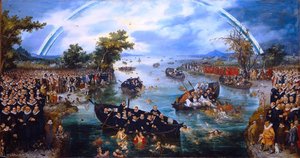
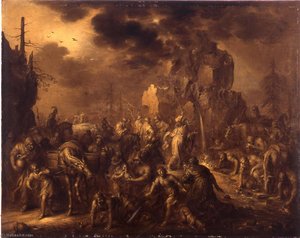
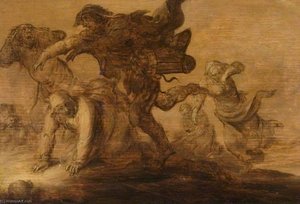
His relocation to Middelburg in 1614 marked a pivotal moment in Adriaen Pietersz van de Venne’s artistic trajectory, exposing him to the powerful currents of Flemish art and fostering an unwavering commitment to social critique. Amidst the backdrop of religious conflict—the Eighty Years' War dividing the Netherlands along Protestant and Catholic lines—Van de Venne encountered the profound influence of Jan Brueghel the Elder and Pieter Brueghel the Elder, artists who championed a revolutionary approach to portraying everyday life with unflinching honesty and symbolic resonance. It was during this period that he conceived Fishing for Souls, an arresting allegory embodying the moral dilemmas confronting Europe during wartime. This masterpiece demonstrated Van de Venne’s ability to translate complex theological ideas into compelling visual narratives—a hallmark of his artistic vision throughout his career. The painting's meticulous detail and symbolic imagery reflected Brueghel’s pioneering use of grisailles, a technique that would become an integral part of Van de Venne’s stylistic repertoire. This early work solidified his reputation as an artist capable of capturing the spirit of his time while simultaneously challenging viewers to confront uncomfortable truths about human behavior and societal values.From Grisailles to Genre Scenes: Expanding Artistic Horizons
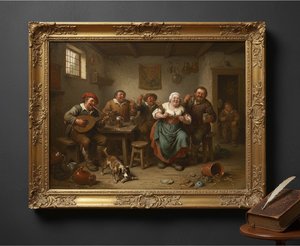
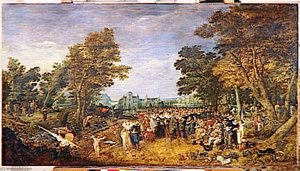
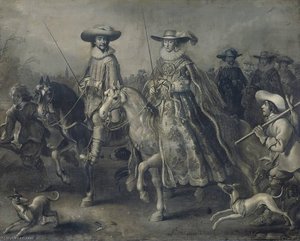
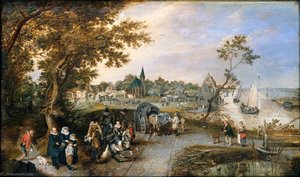
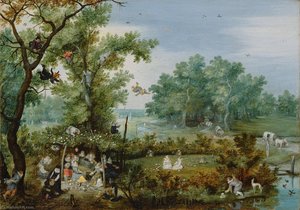
Van de Venne's artistic explorations extended beyond grisailles, encompassing a diverse range of genres—from portraits to historical paintings to genre scenes depicting the lives of ordinary people. His meticulous attention to detail—characteristic of his grisaille technique—translated seamlessly into vibrant depictions of Dutch society, capturing the bustling marketplaces, the convivial taverns, and the quiet domestic interiors that defined the era. He skillfully employed symbolism to convey moral lessons and provoke contemplation, drawing inspiration from Jacob Cats’s poetic prose and establishing himself as a collaborator who elevated both visual art and literature. His engagement with printmaking—particularly engraving—further broadened his artistic horizons, allowing him to disseminate his ideas and images across Europe and cementing his legacy as a multifaceted artist whose work resonated deeply with the intellectual and cultural sensibilities of his time.A Legacy of Observation and Reflection
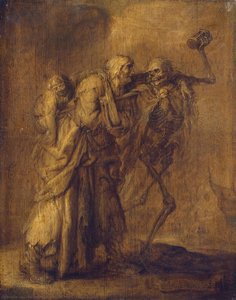
Adriaen Pietersz van de Venne’s artistic output stands as an enduring testament to his unwavering commitment to observation, reflection, and social critique—qualities that distinguished him from many of his contemporaries. His grisailles—characterized by their monochrome palettes and masterful execution—served as a vehicle for conveying profound moral and theological messages while simultaneously capturing the essence of Dutch society during the turbulent years of religious conflict. He skillfully blended classical allegories with realistic depictions of everyday life, demonstrating an unparalleled understanding of humanist thought and artistic technique. His collaborative ventures with Jacob Cats enriched both visual art and literature, fostering a dialogue between image and text that continues to inspire artists today. Ultimately, Van de Venne’s legacy resides not merely in the beauty of his paintings but also in their capacity to provoke contemplation—to encourage viewers to confront uncomfortable truths about human nature and societal values—a feat accomplished by an artist who truly grasped the complexities of his time and transformed them into enduring works of art.Въпроси и отговори
От коя държава е Адриаен Питерсз ван де Венне?
Адриаен Питерсз ван де Венне е роден в Нидерландия.
Кога и къде е роден/а Адриаен Питерсз ван де Венне?
Адриаен Питерсз ван де Венне е роден в Д Delft през 1589 г.
С какви псевдоними или алтернативни имена е известен Адриаен Питерсз ван де Венне?
Адриаен Питерсз ван де Венне се появява и под алтернативните имена Адриаен ван де Венне.