Agnolo Gaddi: Florentine Painter and the Last Echoes of Giotto
Agnolo Gaddi (c. 1350 – 1396) stands as a singular figure in the artistic panorama of Florence during the mid-XIV century—a descendant of Giotto di Bondone, yet simultaneously forging his own distinctive path toward the burgeoning Renaissance aesthetic. He wasn’t merely perpetuating tradition; he was subtly reshaping it, skillfully bridging the gap between Gothic grandeur and the nascent humanist spirit that would soon dominate European art. While often portrayed as the final bastion of Giottesque style, reducing Gaddi to a mere imitator diminishes the complexity of his artistic contribution—a contribution rooted in profound familial lineage but propelled by an unwavering dedication to innovation.The Legacy of Giotto: Early Influences and Artistic Formation
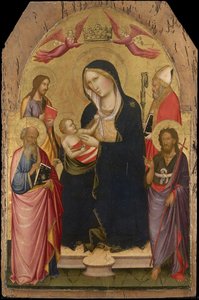
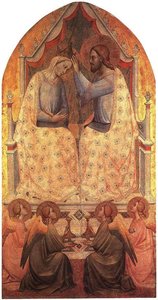
Agnolo’s formative years were steeped in the shadow of Giotto di Bondone, whose revolutionary frescoes at Assisi and Padua had irrevocably altered artistic conventions. Taddeo Gaddi, Agnolo's father—Giotto’s most devoted pupil—transmitted this groundbreaking vision to his son, instilling a conviction that art should strive for emotional resonance and narrative clarity. This influence is palpable in Gaddi’s earliest works – notably the triptych now residing in Parma’s Galleria Nazionale—where monumental figures convey profound emotion through expressive gestures and carefully crafted drapery. The Gothic sensibility—characterized by dramatic lighting effects, opulent fabrics, and an overarching preoccupation with decorative splendor—permeates his artistic vocabulary. Like Giotto before him, Gaddi embraced a stylistic approach that prioritized emotional impact over mere visual representation, reflecting the spiritual fervor of the era. However, Agnolo swiftly differentiated himself from his father’s style, demonstrating a remarkable sensitivity to nuance and subtlety.A Style Defined by Refinement: Exploring Gaddi's Artistic Distinctiveness
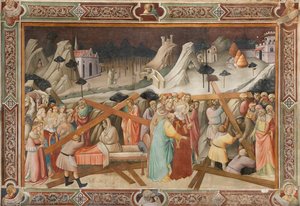
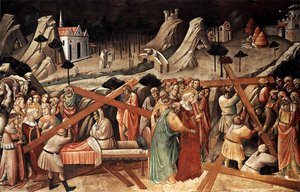
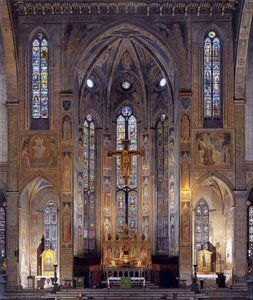
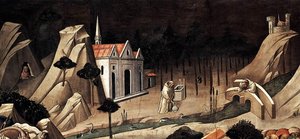
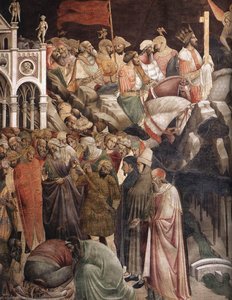
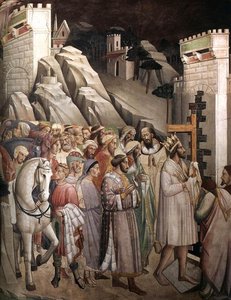
Where Giotto favored robust simplicity—a deliberate rejection of Byzantine formalism—Gaddi pursued elegance and intricacy, incorporating meticulous detail into his compositions. This stylistic divergence is particularly evident in the frescoes adorning Santa Croce—a monumental undertaking that cemented Gaddi’s reputation as Florence’s foremost painter. These canvases depict scenes from *The Legend of the True Cross*, employing a masterful blend of Gothic techniques with emerging Renaissance sensibilities. The use of chiaroscuro—the dramatic interplay between light and shadow—creates an atmosphere of solemn grandeur, mirroring Giotto's pioneering approach yet elevating it to new heights of expressive power. Furthermore, Gaddi’s meticulous rendering of textures—from the velvety folds of drapery to the rough surface of stone—underscores his commitment to realism—a characteristic that would become increasingly prominent in subsequent artistic developments.Santa Croce: A Triumph of Narrative Painting
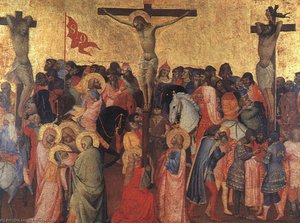
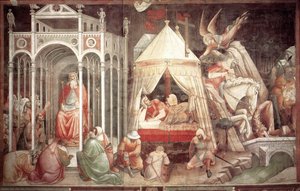
The frescoes at Santa Croce represent Gaddi's magnum opus—a testament to his artistic prowess and a cornerstone of Florentine art history. The Cappella Baroncelli, housing the monumental panels depicting *The Nativity*, *The Annunciation*, *The Resurrection*, and *The Descent from Calvary*, exemplifies Gaddi’s mastery of narrative painting. Each scene unfolds with meticulous attention to detail—figures rendered with palpable emotion and set within richly textured architectural landscapes—demonstrating a profound understanding of artistic principles. The frescoes are not merely decorative; they convey theological narratives with unwavering conviction, reflecting the spiritual preoccupations of the Florentine elite during Gaddi’s lifetime. Moreover, the stained glass windows in the chancel—designed collaboratively by Gaddi and Giovanni da Milano—further enhance the chapel's visual impact, creating a harmonious ensemble that embodies the artistic ideals of the period.Beyond Santa Croce: Patronage, Technique, and Artistic Legacy
Agnolo Gaddi’s artistic output extended beyond Santa Croce, encompassing commissions for altarpieces, devotional panels, and decorative medallions—a testament to his versatility as an artist and his engagement with Florentine society. His involvement in the production of trefoils for the Loggia dei Lanzi—commissioned by Lorenzo Medici—demonstrates his mastery of sculptural technique alongside painting—further solidifying his position as a multifaceted artistic figure. Gaddi’s meticulous attention to detail—evident throughout his oeuvre—reflects the influence of Giovanni da Milano, whose innovative approach to fresco painting championed realism and expressive dynamism. Giorgio Vasari recognized Gaddi's significance in *Lives of the Most Excellent Painters*, Sculptors, and Architects*, enshrining him as a pivotal figure in Florentine art history—a painter who skillfully navigated the transition between Gothic tradition and Renaissance innovation, leaving behind an enduring legacy of beauty and artistic excellence.Въпроси и отговори
В кой град и държава е роден/а Агноло Гадди?
Агноло Гадди е роден в Флоренция, Италия.
От коя държава е Агноло Гадди?
Агноло Гадди е роден в Италия.
Къде и през коя година е роден/а Агноло Гадди?
Агноло Гадди е роден в Флоренция през 1350 г.



![Madonna And Child With Saints Andrew, Benedict, Bernard, And Catherine Of Alexandria With Angels [entire Triptych] — Агноло Гадди](/media/artworks/images-thumb/a9/1b/a91b3e80225f997a9d1ffe3065b5a1b1.jpg)