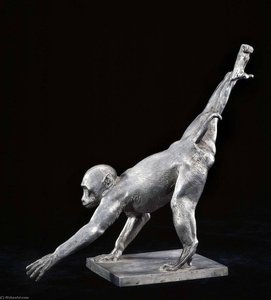
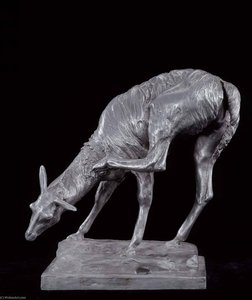
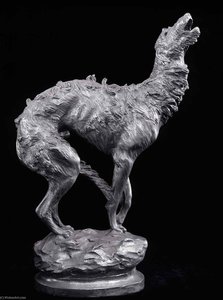
Anna Vaughn Hyatt Huntington: Pioneer American Sculptor
Anna Vaughn Hyatt Huntington (1876-1973) stands as a monumental figure in the annals of American art history—a woman who defied societal expectations and carved out an extraordinary legacy through her unwavering dedication to sculpting animals and establishing Brookgreen Gardens, America’s first outdoor sculpture museum. Born March 10, 1876, in Cambridge, Massachusetts, Huntington's life was shaped by a unique blend of scientific curiosity inherited from her father, Alpheus Hyatt—a renowned paleontologist and zoologist—and artistic sensibility nurtured by her mother, Audella Beebe Hyatt, who herself possessed considerable talent as a watercolorist. This formative upbringing instilled within young Anna an unparalleled appreciation for the natural world’s intricate anatomy, which would become the cornerstone of her distinctive sculptural style.
### Early Life and Artistic Foundations
From childhood, Huntington demonstrated exceptional observational skills—a trait honed by countless hours spent studying animals firsthand at zoos like the Bronx Zoo and immersing herself in the vibrant atmosphere of circuses. Her father's scientific pursuits profoundly influenced her artistic vision, equipping her with an understanding of animal musculature and form that surpassed many of her contemporaries. Recognizing the importance of formal training, Huntington enrolled at the Art Students League of New York under the tutelage of Hermon Atkins MacNeil and Gutzon Borglum, absorbing techniques and philosophies that would inform her subsequent creations. Notably, she challenged the prevailing artistic conventions of her time by criticizing Henry Hudson Kitson’s anatomical inaccuracies in his sculptures—a bold act of intellectual independence that foreshadowed her groundbreaking career.
### Breakthrough Sculptures and Artistic Style
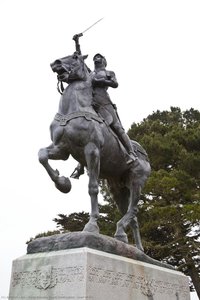
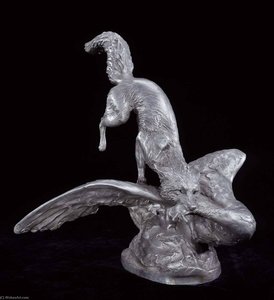
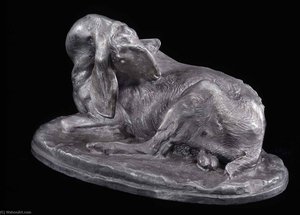
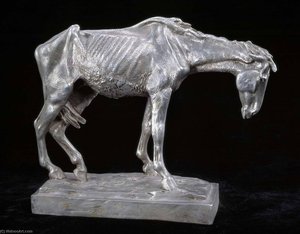
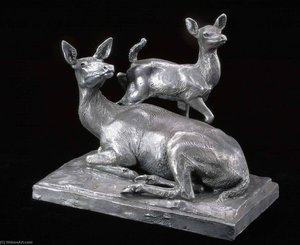
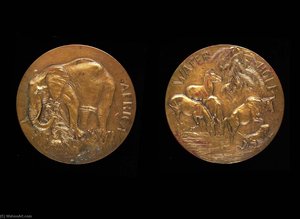
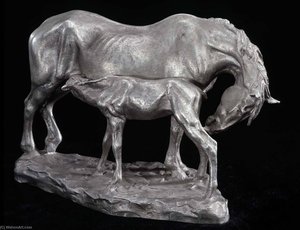
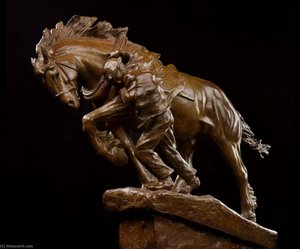
Huntington's breakthrough arrived in 1915 with the unveiling of *Joan of Arc*, a monumental sculpture erected on Riverside Drive in New York City. This ambitious project wasn’t merely an artistic triumph; it represented a historic moment—the first public monument created by a woman artist in the city and, crucially, the inaugural tribute to a historical female figure. The sculpture cemented Huntington's reputation as a sculptor of unparalleled stature and paved the way for future commissions that would solidify her place among America’s most celebrated artists. Her distinctive style was characterized by meticulous realism—a commitment to capturing animals with breathtaking accuracy and conveying their emotional essence through expressive poses and dynamic compositions. She skillfully blended classical influences with emerging modernist techniques, experimenting with aluminum to achieve lighter forms and greater sculptural dynamism.
### Establishing Brookgreen Gardens and Legacy
Driven by a passion for art and nature, Huntington collaborated with her husband, Archer Milton Huntington—a wealthy philanthropist who shared her vision—to establish Brookgreen Gardens near Myrtle Beach, South Carolina, in 1931. This sprawling outdoor sculpture garden became a living testament to their enduring partnership and transformed into America’s first public sculpture museum. Huntington tirelessly oversaw the curation of the collection, attracting sculptors from around the globe and fostering an environment that championed artistic innovation. Her contribution extended beyond mere aesthetic achievement; Brookgreen Gardens served as a beacon for women artists, demonstrating that success could be attained despite societal barriers. Furthermore, Huntington's election to the American Academy of Arts and Letters recognized her artistic merit and affirmed her position among America’s most distinguished intellectuals. Anna Vaughn Hyatt Huntington passed away October 4, 1973, leaving behind an indelible mark on both the art world and the cultural landscape—a woman who dared to defy convention and sculpted a legacy that continues to inspire generations of artists.