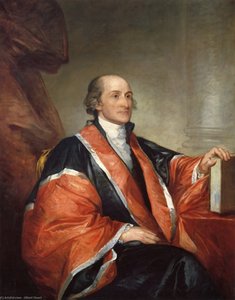
Gilbert Stuart: The Painter of American Icons
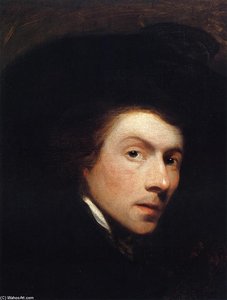
Gilbert Stuart (1755 – 1828) stands as a monumental figure in the annals of American art history, revered for his unparalleled skill in portraiture and his indelible contribution to shaping the visual representation of early America. More than just an artist; he was a chronicler of his time, capturing not only likenesses but also the spirit and character of prominent individuals who defined the nation’s formative years.- Early Life & Training: Stuart's artistic journey commenced at a remarkably young age in Saunderstown, Rhode Island, where he was born into a family rooted in Scottish heritage. His father, Gilbert Stuart Sr., established the first snuff mill in Rhode Island—a testament to entrepreneurial spirit and economic ambition during the colonial era.
- Scottish Influences: Recognizing his burgeoning talent, Stuart embarked on a formative voyage to Scotland around 1771, immersing himself in the tutelage of Cosmo Alexander. This exposure to European artistic traditions proved crucial for honing his technique and cultivating an understanding of compositional principles that would underpin his future masterpieces.
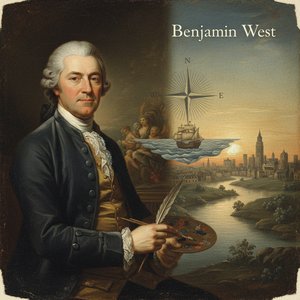
- London & Benjamin West: Further refining his craft in London from 1775 to 1780, Stuart benefited immensely from the mentorship of Benjamin West—a celebrated American painter residing in England. West’s influence instilled in Stuart a profound appreciation for realism and dramatic lighting, shaping his artistic sensibilities.
A Career Marked by Revolution & Resilience
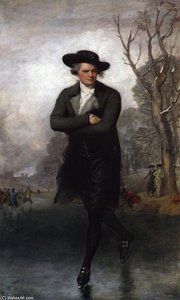
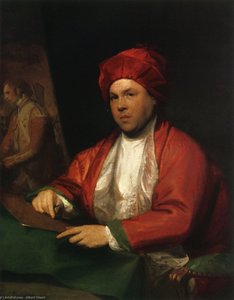
The American Revolution profoundly impacted Stuart's life trajectory, compelling him to relocate to England in 1775. Despite facing considerable challenges—including financial difficulties stemming from debts—he persevered, securing commissions and establishing a studio that would become his artistic home for decades.- Early Success: Stuart’s reputation soared swiftly with “The Skater” (1782), a captivating portrait that immediately cemented his position as one of the era's foremost artists. This work exemplifies Stuart’s signature style—characterized by meticulous detail and an evocative use of light to convey emotion.
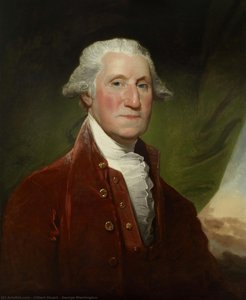
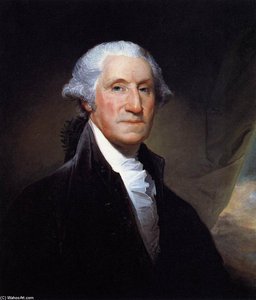
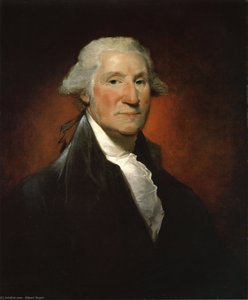
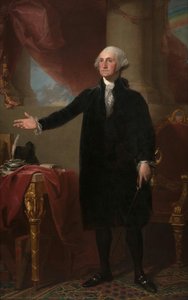
- The Washington Portrait: Undoubtedly Stuart’s most iconic achievement is the unfinished portrait of George Washington, begun in 1796. Known universally as “The Athenaeum Portrait,” this monumental undertaking became a symbol of American identity—appearing on U.S. currency and postage stamps for over a century.
Neoclassical Style & Psychological Depth
Stuart’s artistic style adhered rigorously to the precepts of Neoclassicism, a movement that championed classical forms and ideals as responses to the excesses of Rococo art. He prioritized capturing not merely physical likeness but also psychological nuance—analyzing his subjects' expressions and gestures to convey their inner character.- Technique: Stuart’s mastery lay in his meticulous attention to detail, utilizing oil paints with remarkable precision to achieve astonishing realism. He skillfully employed chiaroscuro—the dramatic interplay of light and shadow—to heighten the emotional impact of his portraits.
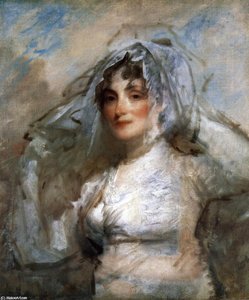
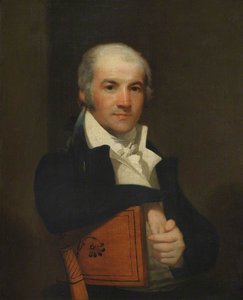
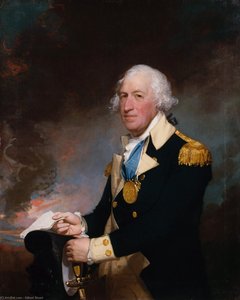
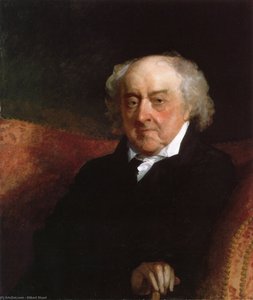
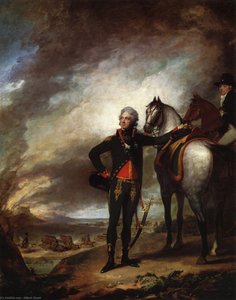
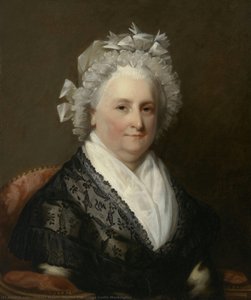
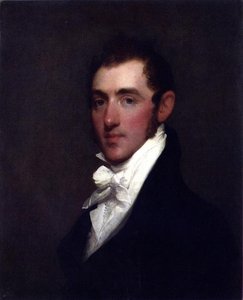
- Subject Matter: Stuart's prolific output encompassed portraits of an impressive array of figures—including John Adams, Thomas Jefferson, James Madison, and numerous members of the Federalist elite. His canvases offer invaluable insights into the lives and appearances of influential individuals who shaped the course of American history.
Legacy & Enduring Influence
Gilbert Stuart’s legacy extends far beyond his artistic accomplishments; he established a distinctive American style of portraiture that blended European techniques with uniquely American sensibilities. His portraits continue to captivate audiences today, residing in prominent museums across the United States and Europe—a testament to his enduring genius and his profound contribution to the visual culture of America.Въпроси и отговори
Къде и през коя година е роден/а Жилбер Стьюарт?
Жилбер Стьюарт е роден в Сендмънтън през 1755 г.
В коя историческа епоха е творил Жилбер Стьюарт?
Жилбер Стьюарт е творил в периода на Ранномодерна епоха. Този период определя историческия контекст на творчеството на художника.
От коя държава е Жилбер Стьюарт?
Жилбер Стьюарт е роден в Великобритания.