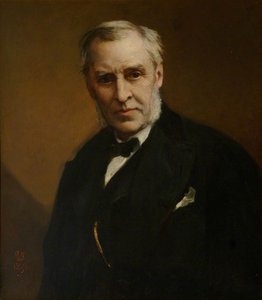
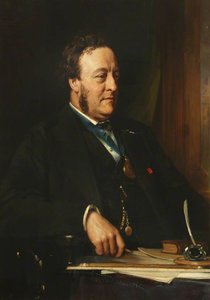
A Life Etched in Portraits: The World of Lowes Cato Dickinson
Lowes Cato Dickinson, born in Kilburn, London, in 1819, was a figure deeply embedded within the artistic and social currents of Victorian England. Coming from a family intimately connected to the art world—his father, Joseph Dickinson, being a respected lithographer and publisher on Bond Street—Dickinson’s path seemed preordained. Yet, his journey wasn't merely one of inheritance but of active engagement with the evolving aesthetic sensibilities and progressive social movements of his time. One of eleven siblings, he received his early education at Topsham School and Dr Lord's School in Tooting, grounding him in a solid foundation before fully immersing himself within the family business following his father’s death in 1849. He then joined forces with his brothers, Gilbert Bell Dickinson and William Robert Dickinson, to continue the legacy of Dickinson Brothers on Bond Street, a firm that quickly became synonymous with quality art publishing and photography. This early exposure wasn't simply about commerce; it was an apprenticeship in visual culture, shaping his eye for detail and composition—qualities that would define his later work as a portraitist.The Pre-Raphaelite Circle and the Call of Social Reform
Dickinson’s artistic development took a significant turn with a three-year sojourn in Italy around 1850. This period proved formative, exposing him to the masterpieces of the Renaissance and influencing his evolving style. He absorbed the stylistic principles championed by Dante Gabriel Rossetti and John Ruskin—a fervent desire for truth to nature combined with an emotional intensity that would permeate his subsequent paintings. The Pre-Raphaelite Brotherhood’s emphasis on rejecting academic conventions and celebrating medieval art profoundly impacted Dickinson's artistic vision. His correspondence with fellow artists reveals a shared belief in the importance of capturing inner life alongside external appearance—a characteristic that distinguishes his portraits from more conventional depictions of his era. Furthermore, Dickinson actively participated in the burgeoning Christian socialist movement, recognizing the moral imperative to address social injustices and uplift the underprivileged. This conviction fueled his involvement in establishing the Working Men's College in London, where he served as a lecturer alongside prominent figures like Ruskin and Rossetti, imparting artistic principles alongside ethical considerations. The college’s walls bear witness to Dickinson’s dedication—his portraits of Gladstone, Kingsley, Hughes, and others stand as emblems of Victorian idealism and social reform.A Portraitist of Victorian Society
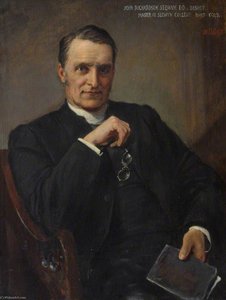
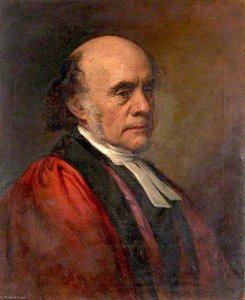
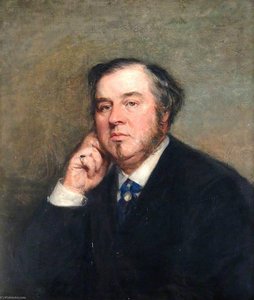
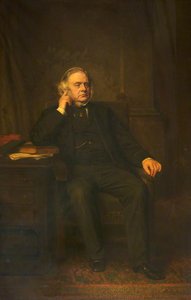
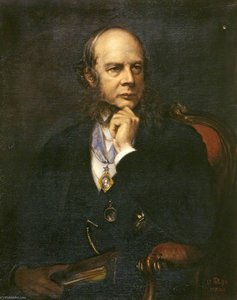
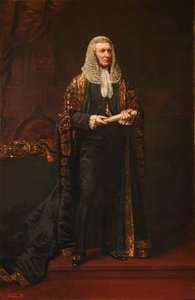
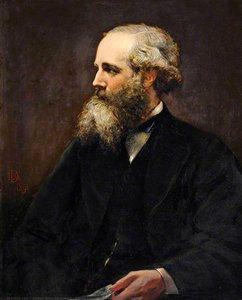
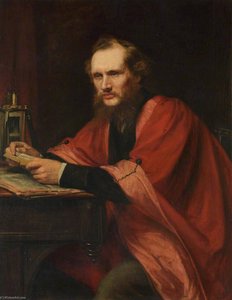
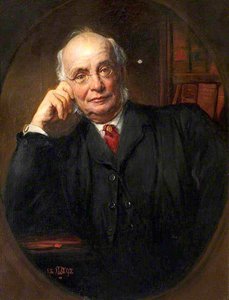
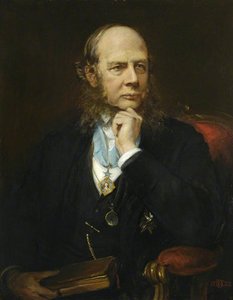
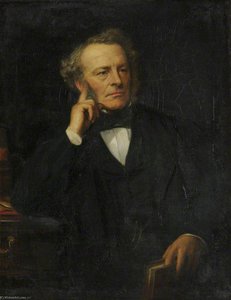
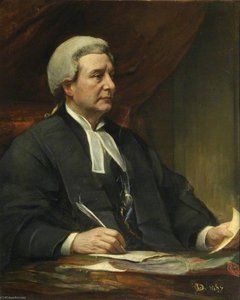
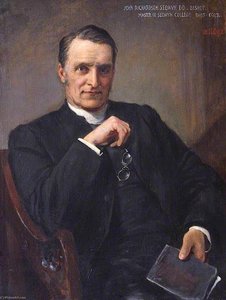
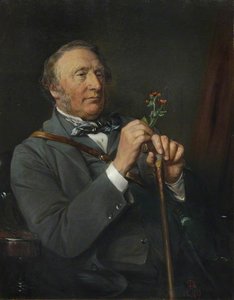
Dickinson honed his craft in Langham Chambers, establishing a studio that became renowned for its meticulous attention to detail and its ability to convey profound psychological insight. He developed a distinctive technique—often focusing solely on rendering the faces of his subjects with remarkable accuracy—leaving the depiction of clothing and accessories to other artists. This deliberate choice allowed him to concentrate on capturing the essence of character, distilling it into subtle expressions and nuanced shading. His subject matter spanned across diverse spheres of Victorian life—literary figures, scientists, statesmen, and philanthropists—reflecting his intellectual curiosity and his desire to document the achievements of his time. He meticulously studied anatomy and optics, mastering techniques that enabled him to achieve unprecedented realism in his portraits. The resulting images are not merely representations of individuals but windows into their souls—testaments to Dickinson’s artistic skill and his humanist sensibility.Notable Works and Recognition
Dickinson's prolific output produced a substantial body of work encompassing over 300 paintings, many of which hang prominently in institutions such as the National Portrait Gallery in London and Cambridge University. Among his most celebrated portraits are those of Queen Victoria, Prince Edward VII, Alice Maud Montgomery (later Princess Alexandra), Lord Kelvin, Gladstone’s Cabinet Room portrait, and numerous depictions of prominent members of Parliament and scientific luminaries. His posthumous portrait of General Gordon at Khartoum remains an iconic image—a testament to his ability to convey heroism and resilience through masterful composition and tonal gradation. Dickinson's portraits are recognized for their exceptional quality and their enduring aesthetic appeal, securing his place as one of the foremost portrait painters of the Victorian era.Legacy and Enduring Influence
Lowes Cato Dickinson’s legacy extends far beyond the canvases he adorned with faces. He championed the Working Men’s College, fostering educational opportunities for disadvantaged communities—a testament to his unwavering commitment to social justice. His meticulous documentation of Victorian society provides invaluable insight into the intellectual and artistic landscape of the period. Moreover, his dedication to capturing inner life through visual art continues to inspire artists today. Dickinson's influence can be seen in the stylistic innovations of subsequent generations of portrait painters—his emphasis on psychological realism and his masterful use of tonal shading establishing precedents that endure to this day. He remains a symbol of Victorian artistic excellence and humanist compassion, securing his place as an enduring figure within British art history.Въпроси и отговори
Къде и през коя година е роден/а Лоуэс Като Диксон?
Лоуэс Като Диксон е роден в Кенсал Грин през 1819 г.
От коя държава е Лоуэс Като Диксон?
Лоуэс Като Диксон е роден в Обединено кралство.