Early Life and Artistic Beginnings
Mikalojus Konstantinas Čiurlionis, a luminary of Lithuanian art, was born in 1875 in Šiauliai, a city steeped in history and cultural significance. His early years were shaped by his family’s heritage – his mother, Adelė Radmanaitė, descended from a Lutheran family with roots in Bavaria, while his father, Konstantinas Čiurlionis, was an organist and choirmaster who had briefly served in Liškiava. This blend of influences likely contributed to the artist's unique perspective. His formative education took place primarily in Vilnų (Vilnius), where a deep fascination with both art and music began to blossom within him. It’s believed that his early exposure to musical performance, particularly as an organist’s son, profoundly shaped his later artistic sensibilities – a sensitivity to rhythm, color, and the evocative power of sound would become central to his visual language. The burgeoning Lithuanian national movement during this period also played a crucial role in shaping Čiurlionis' identity, eventually leading him to embrace his Lithuanian heritage with profound conviction.
Artistic Style and Influences
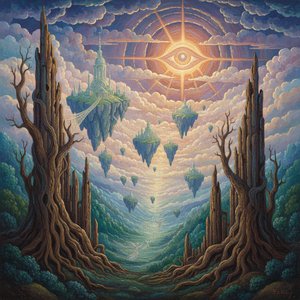
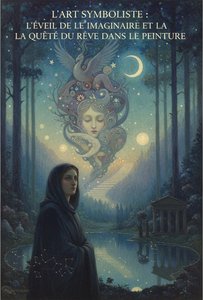
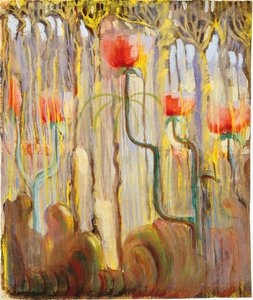
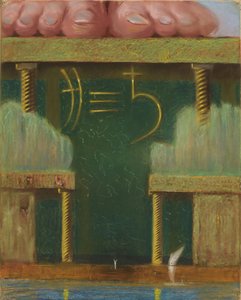
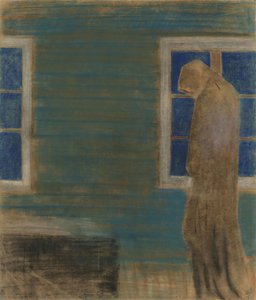
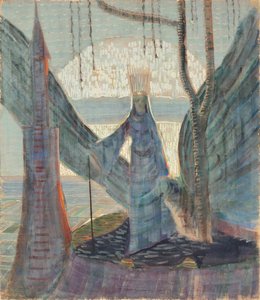
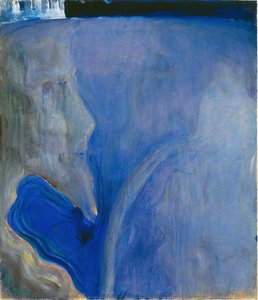
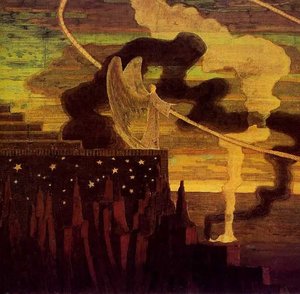
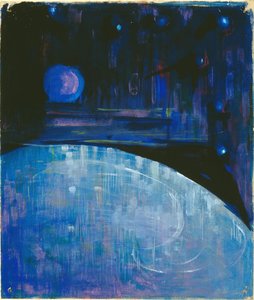
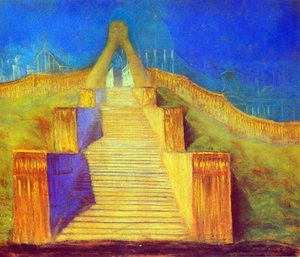
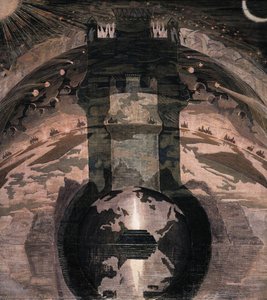
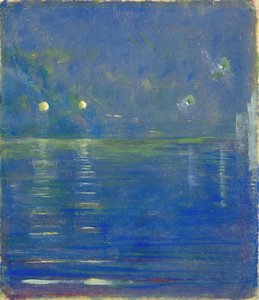
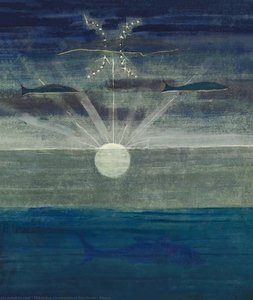
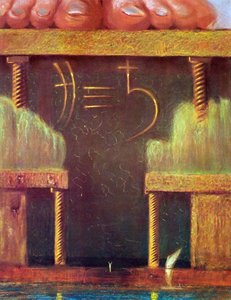
Čiurlionis’s artistic style is profoundly rooted in Symbolism, a late 19th-century European movement that sought to express ideas and emotions through suggestive imagery rather than direct representation. His works are characterized by an ethereal quality, often depicting dreamy landscapes, solitary figures bathed in soft light, and a palpable sense of spirituality. He wasn’t simply painting what he saw; he was attempting to capture the *feeling* of nature – its mystery, its beauty, and its connection to something larger than itself. Influences on his work are diverse and fascinating. The works of artists like Antoni Sygietyński, a prominent Polish Symbolist painter, and Zygmunt Noskowski, a composer known for his evocative musical scores, undoubtedly resonated with Čiurlionis’s artistic sensibilities. However, he drew inspiration not only from European masters but also from the unique landscapes and folklore of Lithuania itself – the vast forests, shimmering lakes, and ancient traditions that formed the backdrop to his life and art. His innovative approach to color—often employing bold, saturated hues—further distinguished him within the Symbolist movement.
The Development of a Unique Vision
Čiurlionis’s artistic journey wasn't linear; it was marked by experimentation and a constant striving for new ways to express his inner world. He initially explored various styles, including realism and impressionism, but ultimately found his true voice in Symbolism. A pivotal moment in his development occurred during his time in Warsaw, where he studied at the Academy of Fine Arts. It was here that he began to develop his distinctive style—a synthesis of color, form, and emotion. His paintings often feature a sense of movement and dynamism, as if capturing fleeting moments of beauty or spiritual insight. The influence of music on his work is undeniable; many scholars believe that Čiurlionis’s paintings were essentially musical scores translated into visual form – each brushstroke representing a note, a chord, or a melody. His compositions, particularly the symphonic poems “In the Forest” and “The Sea,” are testament to this profound connection between music and art.
Major Achievements and Historical Significance
Despite his tragically short life—he died in 1911 at the age of 36—Mikalojus Konstantinas Čiurlionis left an indelible mark on Lithuanian art and culture. He is considered one of the pioneers of abstract art in Europe, a remarkable achievement considering he was working during a period when such approaches were still largely unexplored. His paintings are housed primarily in the M. K. Čiurlionis National Art Museum in Kaunas, Lithuania, a testament to his enduring legacy. Beyond his individual creations, Čiurlionis’s work helped to revitalize Lithuanian national identity and artistic expression at the turn of the 20th century. He became a symbol of Lithuanian cultural pride, inspiring generations of artists and intellectuals. His influence can be seen in subsequent Lithuanian art movements and continues to resonate today. Furthermore, his exploration of spiritual themes and his unique approach to color have influenced artists across various disciplines, solidifying his place as a truly visionary figure in the history of modern art.
Legacy and Continuing Influence
Čiurlionis’s legacy extends far beyond Lithuania's borders. His work has been exhibited internationally and is recognized for its beauty, originality, and profound emotional depth. The rediscovery of his art in the 20th century led to a renewed appreciation for his contributions to Symbolism and abstract expressionism. Today, Čiurlionis’s paintings continue to captivate audiences with their evocative power and timeless appeal. His work serves as a reminder of the transformative potential of art—its ability to transcend boundaries, evoke emotions, and connect us to something larger than ourselves. The ongoing efforts to promote and preserve his legacy ensure that Mikalojus Konstantinas Čiurlionis’s artistic vision will continue to inspire and enrich the world for generations to come.