Paolo Morando (Il Cavazzola) – Renaissance Verona
Paolo Morando, commonly known as Il Cavazzola, was a pivotal figure in the artistic landscape of Verona during the High Renaissance—a painter whose brief but impactful career left an indelible mark on Venetian art and regional aesthetics. Born around 1486-1488 in Verona, he emerged from a family steeped in textile trade, inheriting a tradition of craftsmanship that would subtly inform his artistic sensibilities. His formative years were spent under the tutelage of Domenico Morone (1471–1529), whose workshop served as a crucible for stylistic innovation and established connections to prominent artistic currents circulating throughout Lombardy and Venice.
Francesco Morone, Domenico’s son, further honed Paolo’s skills, fostering an appreciation for Giorgione’s groundbreaking approach to landscape and color—a fascination that would become central to Il Cavazzola's distinctive visual language. Vasari lauded Morando as “young man of excellent character and without any blemish of vice,” reflecting the humanist ideals prevalent during his time and highlighting his reputation within Verona’s artistic circles.
Style and Influences – Giorgione’s Legacy
Il Cavazzola’s style wasn't merely derivative; it represented a sophisticated synthesis of Venetian and Gothic traditions—a testament to the dynamism of Renaissance art in Verona. Like Giorgione, he prioritized atmospheric perspective and luminous color palettes, capturing fleeting moments of beauty with remarkable sensitivity. His canvases pulsated with vibrancy, mirroring the artistic fervor of Venice during its golden age. However, Morando’s work also retained elements of Gothic ornamentation—particularly evident in drapery folds and architectural details—demonstrating an awareness of stylistic precedents that extended beyond the Venetian sphere.
Notably, Il Cavazzola drew inspiration from Andrea Mantegna's monumental frescoes at San Zeno Basilica, Verona – a visual encounter that profoundly shaped his compositional strategies and understanding of sculptural form. Furthermore, he absorbed influences from Giovanni Bellini’s masterful handling of color and emotion—a stylistic kinship that cemented his position as one of the foremost artists of his generation.
Notable Works – Venetian Visions
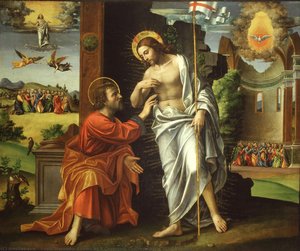
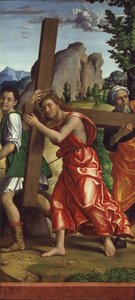
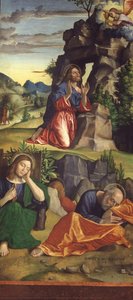
Il Cavazzola's artistic output was remarkably concentrated during a period marked by significant cultural exchange. His most celebrated achievement remains the *Polyptych of the Passion*, commissioned for San Bernardino Chapel in Verona—a monumental undertaking that showcased his mastery of perspective, color theory, and narrative storytelling. This ambitious project incorporated elements from various artistic traditions, reflecting the multifaceted intellectual environment of Verona at the time. The predella panels depict scenes from the Stations of the Cross with exceptional detail and expressive dynamism, demonstrating Morando’s ability to convey profound spiritual emotion through visual imagery.
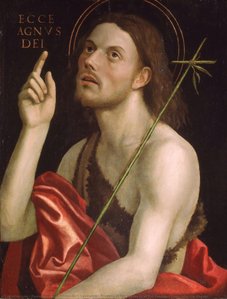
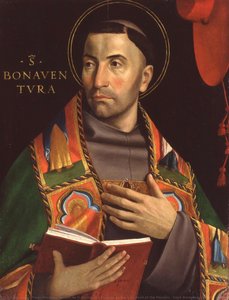
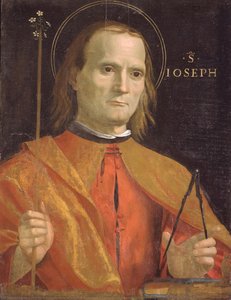
Another significant contribution was his participation in decorating Saint Biagio Chapel—a testament to his burgeoning reputation as a skilled artist. His *Madonna and Child*, housed in Castelvecchio Museum, exemplifies his early stylistic development—characterized by serene compositions and subtle tonal modeling reminiscent of Bellini’s oeuvre. Finally, Il Cavazzola's *Warrior with Equerry*, now residing in the National Gallery London, stands out for its masterful depiction of light and emotion—a poignant portrayal that captures the melancholic spirit of Venetian art during Morando’s lifetime.
Legacy – A Verona Master
Paolo Morando died unexpectedly on August 13th, 1522, tragically curtailing his artistic career at a young age. Despite his brief life span, Il Cavazzola left an enduring legacy—primarily through his monumental Polyptych of the Passion and his captivating Madonna and Child—which continue to inspire admiration for their beauty and expressive power. His work remains prominently displayed in museums across Europe, serving as a tangible reminder of Verona’s contribution to Renaissance art and cementing his place among the most influential painters of his era.