Frans Francken III - A Legacy Forged in the Heart of Antwerp
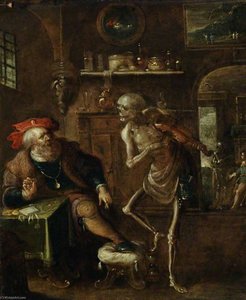
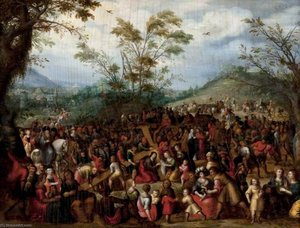
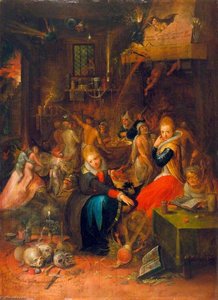
Frans Francken III, born in Antwerp in 1581, stands as a pivotal figure within the Flemish Baroque tradition—a testament to artistic lineage and innovation amidst a period defined by religious upheaval and burgeoning cultural dynamism. His life’s trajectory was inextricably linked to that of his family, specifically his parents, Frans Francken II and Elisabeth Placquet, both accomplished painters who instilled in him an unwavering dedication to observation, meticulous technique, and a profound understanding of the artistic currents shaping their era. Antwerp at this time wasn't merely a city; it was a crucible for creativity—a bastion of printmaking, sculpture, and above all, painting—where artists like Rubens wrestled with grand narratives and sought to capture the sublime beauty of God’s creation. The Francken family played an indispensable role in this artistic landscape, establishing a tradition that would endure for generations, providing Frans III with an unparalleled foundation upon which he would build his own distinguished career.Apprenticeship and Artistic Development
Frans Francken III's formative years unfolded within the nurturing embrace of his father’s workshop—a microcosm of Antwerp’s artistic milieu. Here, he absorbed not only the foundational skills of draftsmanship and color theory but also the stylistic conventions favored by contemporaries—the dramatic lighting, dynamic compositions, and opulent palettes championed by Rubens himself. This early training wasn't simply about mastering craft; it was about immersing oneself in a tradition that valued both realism and expressive idealism. Recognizing his innate talent and unwavering commitment to artistic excellence, Frans formally entered the Antwerp Guild of Saint Luke in 1639—a decisive step signifying his recognition as an independent master capable of undertaking commissions and shaping the future of Flemish art. Subsequently, he ascended to the position of dean of the guild from 1656 to 1666—a testament to his leadership qualities and unwavering respect within the artistic community. During this period, Frans III continued to hone his craft while simultaneously nurturing the talents of aspiring apprentices, safeguarding the legacy of Francken artistry for generations to come. His distinctive style quickly emerged—characterized by meticulous detail, vibrant color schemes, and compositions imbued with palpable energy—a hallmark that would define his oeuvre.The ‘Rubensian’ Touch and Distinctive Themes
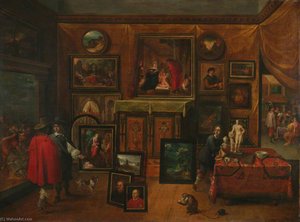
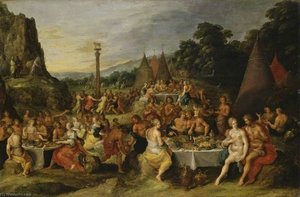
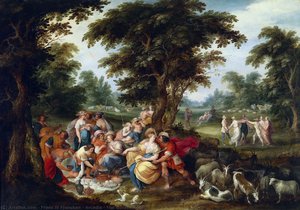
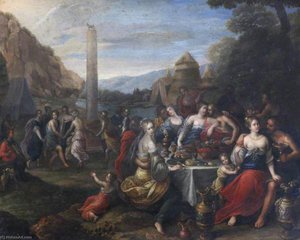
Francken III’s artistic vision was profoundly influenced by Peter Paul Rubens—a relationship marked not merely by admiration but by skillful assimilation of Rubens’ groundbreaking techniques. He didn't simply imitate Rubens’ style; rather, he internalized its essence—integrating dramatic lighting, expansive gestures, and sumptuous hues into his own artistic endeavors. This stylistic convergence is particularly evident in works like *Arcadia – The Golden Age*, where a lavish feast scene unfolds with breathtaking dynamism—a visual embodiment of Rubensian grandeur. Beyond these overarching themes, Francken III explored diverse subjects—historical narratives rooted in biblical stories and classical mythology—always striving to convey profound meaning through meticulous realism and symbolic richness. However, it was his gallery paintings that truly cemented his place as a visionary artist—elaborate depictions of art collectors surrounded by their treasured possessions—offering an invaluable glimpse into the tastes and aspirations of 17th-century Flanders and establishing Francken III as a pioneer in this genre.Notable Works
- Arcadia – The Golden Age: A lavish feast scene exemplifying his ‘Rubensian’ style.
- The Interior of a Picture Gallery (1640): A detailed depiction of an art collector's surroundings, showcasing opulent art and social life.
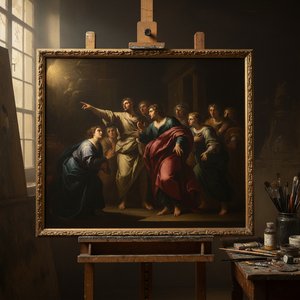
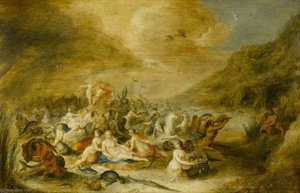
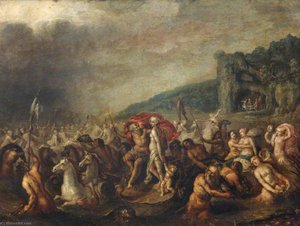
- The Worship of the Golden Calf: A dramatic biblical scene demonstrating his mastery of composition and color.
- The Adoration Of The Magi: A stunning Renaissance masterpiece with detailed realism & rich symbolism.
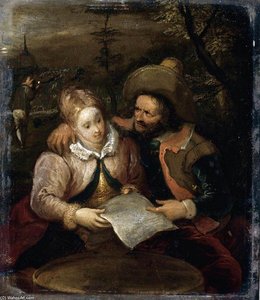
- A Young Lady And A Cavalier Holding A Letter: A captivating Baroque oil painting filled with intrigue, rich colors & masterful detail.
Legacy and Influence
Frans Francken III’s prolific output left an indelible mark on the trajectory of Flemish Baroque painting—a legacy characterized by unwavering dedication to craft, profound artistic insight, and a lasting contribution to the visual culture of his time. He wasn't merely documenting reality; he was interpreting it—elevating genre scenes into moral meditations, transforming portraits into expressions of human dignity, and pioneering gallery paintings as historical records of art collecting practices. His influence extended far beyond his own creations—as a revered teacher, he imparted his knowledge to aspiring artists such as Carstian Luyckx and Jan Baptist Segaert—ensuring that Francken III’s techniques and aesthetic sensibilities would resonate with future generations—solidifying his position as one of the most significant voices in Flemish art history.Въпроси и отговори
В коя историческа епоха е творил Франс Франкен Iii?
Франс Франкен Iii е творил в периода на Ранномодерна епоха. Този период определя историческия контекст на творчеството на художника.
В кой град и държава е роден/а Франс Франкен Iii?
Франс Франкен Iii е роден в Антверпен, Белгия.
От коя държава е Франс Франкен Iii?
Франс Франкен Iii е роден в Белгия.