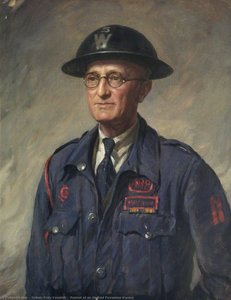
Sydney Percy Kendrick (1874–1955): A Master of British Portraiture
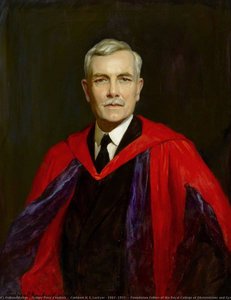
Sydney Percy Kendrick, born in 1874, emerged as a prominent portrait artist during the Edwardian era and continued to produce works throughout his lifetime. While biographical details remain somewhat sparse, Kendrick’s artistic legacy speaks volumes about his dedication to capturing the dignity and character of influential figures within British society. His work exemplifies the stylistic conventions of the time – primarily classic realism – reflecting an unwavering commitment to meticulous observation and skillful execution.Early Life & Training
Kendrick's formative years were spent in Worcestershire, where he received a grounding in artistic principles through private tuition. This early education instilled within him a profound appreciation for anatomical accuracy and tonal gradation, foundational elements that would characterize his subsequent paintings. He diligently studied the human form, utilizing anatomical sketches as guides to ensure precise representation—a technique honed by masters of the era who prioritized scientific observation alongside aesthetic sensibility.Influences: The Legacy of László
Kendrick’s artistic sensibilities were undoubtedly shaped by the prevailing trends of British art at the turn of the century. Notably, he was deeply impacted by Philip Alexius de László, whose masterful portraits established a benchmark for realism and psychological insight. De László's influence is palpable in Kendrick’s own compositions, particularly his depictions of nobility—a stylistic choice that underscores Kendrick’s desire to convey not merely outward appearance but also the inner life of his subjects. The meticulous attention to detail and subtle emotional nuance evident in László’s work served as a powerful inspiration for Kendrick’s artistic endeavors.Notable Commissions & Style: Capturing Aristocratic Dignity
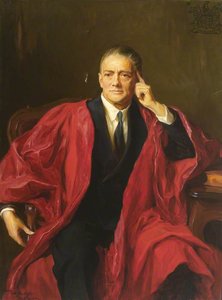
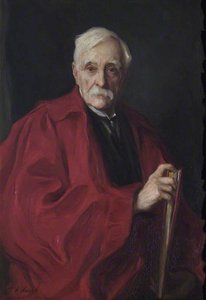
Kendrick gained considerable renown through commissions from prominent patrons—including members of the Royal Family—demonstrating his ability to translate aristocratic subjects into compelling visual narratives. His style consistently prioritized capturing subtle nuances of expression and conveying inner life alongside external appearance. He skillfully employed a muted palette, favoring earthy tones that enhanced the solemn grandeur of his portraits—a deliberate aesthetic decision designed to convey respect for tradition and elevate the viewer’s experience. The resulting images are imbued with a sense of timelessness, reflecting Kendrick's unwavering commitment to preserving the essence of his subjects.Kendrick’s Oeuvre: A Testament to Realism
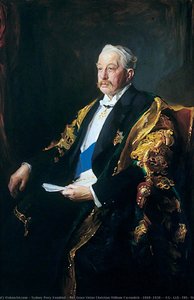
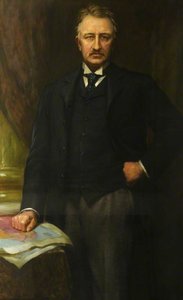
Kendrick’s oeuvre comprises approximately 150 paintings, predominantly portraits of statesmen, diplomats, artists, and members of the aristocracy. Among his most celebrated works are depictions of Viscount Nuffield (after László), Cecil John Rhodes (also after László), and His Grace Victor Christian William Cavendish, Duke of Devonshire (again, an László commission). These portraits showcase Kendrick’s meticulous attention to detail—from the drapery folds to the facial expressions—resulting in images that resonate with historical significance. He achieved fame during the Edwardian era, securing commissions from influential figures who shaped British society and culture.Historical Significance: Reflections of a Changing Era
Kendrick's portraits serve as invaluable documents of Edwardian Britain—capturing the personalities and aspirations of individuals who shaped the nation’s cultural landscape. His works contribute significantly to our understanding of aristocratic life during this period, offering glimpses into social customs and intellectual debates. Through his masterful realism, Kendrick immortalized figures of considerable importance, ensuring that their likenesses endure as reminders of a bygone era—a testament to his enduring contribution to British art history.Въпроси и отговори
От коя държава е Сайди Пиърси Кендрик?
Сайди Пиърси Кендрик е роден в Великобритания.