Early Life and Artistic Beginnings
Sir William George Gillies, a name synonymous with the evocative beauty of Scottish landscapes and poignant still lifes, was born in Haddington, East Lothian, in 1898. His early life, steeped in the traditions of his coastal town, provided a fertile ground for his artistic sensibilities to take root. Initially enrolled at the Edinburgh College of Art, Gillies’ academic pursuits were abruptly interrupted by the exigencies of World War I, where he served with distinction as an engineer within the Royal Engineers. This experience, marked by both hardship and camaraderie, undoubtedly shaped his perspective and informed the themes that would later permeate his work. Following the war's conclusion, he returned to complete his education at the Edinburgh College of Art, ultimately securing a position as a dedicated teacher there for over four decades – a role that profoundly impacted not only his artistic development but also the careers of countless aspiring artists.A Journey Through Modernism: Cubism and Beyond
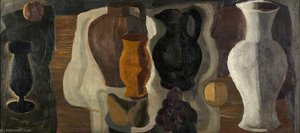
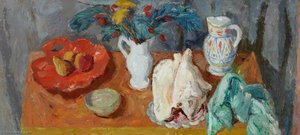
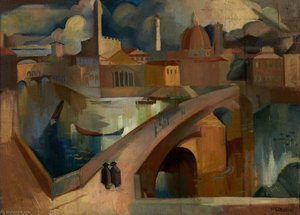
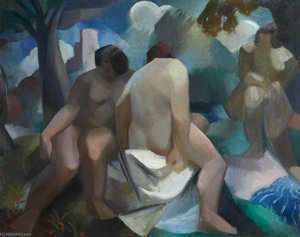
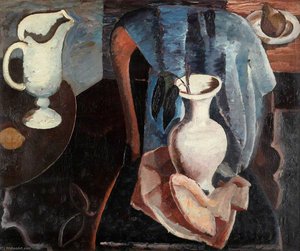
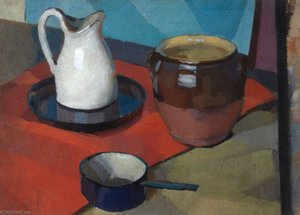
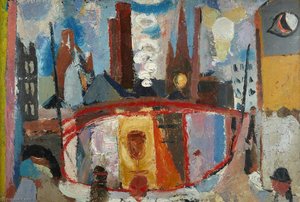
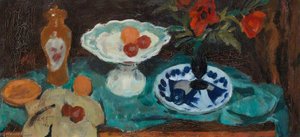
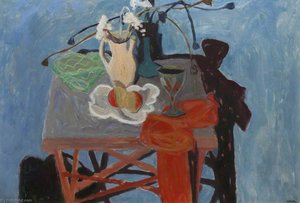
Gillies’ artistic trajectory began with an enthusiastic exploration of Cubism after studying under the influential André Lhote in Paris during 1923, and a subsequent journey to Italy in 1924. His early works, such as “Two Pots, Saucer and Fruit” (1933), vividly demonstrate this initial influence – a clear echo of Cézanne’s structured arrangements combined with the understated color palettes characteristic of Braque and Picasso. However, a pivotal moment arrived in 1934 when he encountered the work of Paul Klee, an encounter that fundamentally altered his artistic approach. Klee's imaginative use of colour and childlike quality ignited within Gillies a desire to infuse his compositions with greater emotional depth and spontaneity. Gradually, he moved away from the strict confines of Cubism, forging a distinctive style deeply rooted in Scottish landscape traditions and still life practices – a style that would become instantly recognizable as uniquely his own.The 1922 Group: A Hub for Innovation
In 1922, Gillies played a crucial role in establishing the “1922 Group,” alongside fellow artists including William Crozier, William Geissler, and William MacTaggart. This collective endeavor represented more than just an exhibition society; it served as a vital incubator for emerging Scottish talent, providing a platform for their work to be showcased at the New Gallery in Edinburgh for a decade. The 1922 Group fostered a remarkable sense of community and collaborative spirit within the burgeoning Scottish art scene – a period marked by experimentation, innovation, and a shared commitment to pushing artistic boundaries. Gillies’ leadership was instrumental in nurturing this environment, solidifying his position as a key figure in shaping the direction of modern Scottish art.Themes and Artistic Expressions: Scotland's Soul
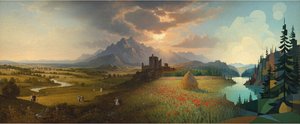
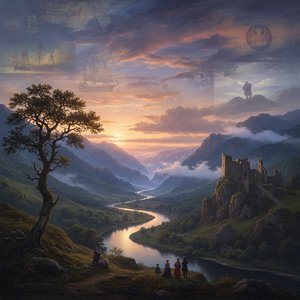
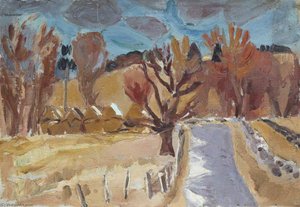
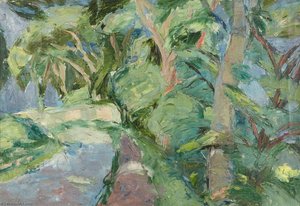
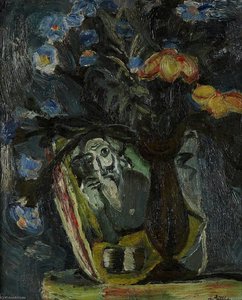
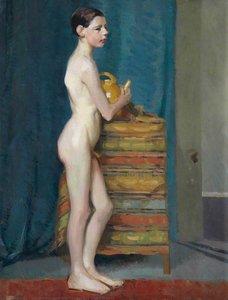
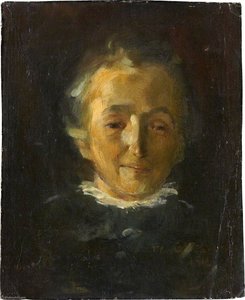
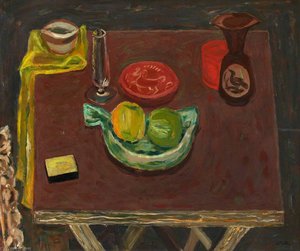
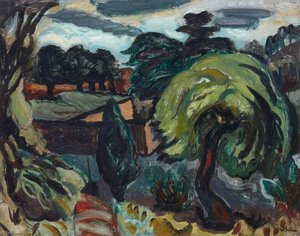
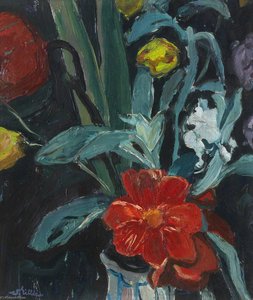
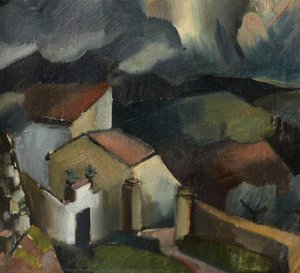
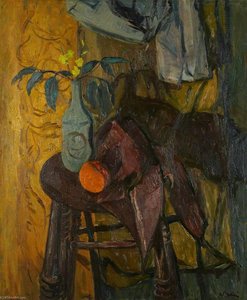
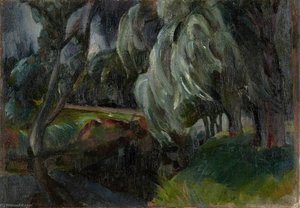
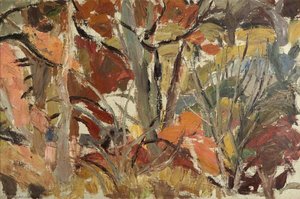
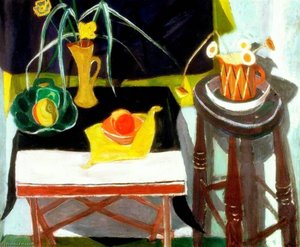
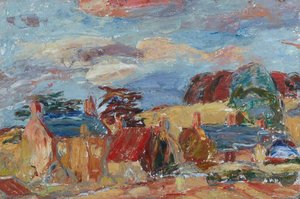
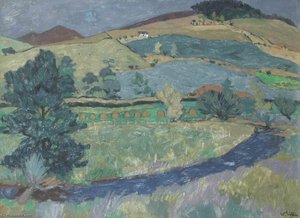
Gillies’ oeuvre is predominantly defined by two recurring themes: the breathtaking landscapes of Scotland and the intimate still lifes that often featured ceramics crafted by his younger sister, Emma Smith Gillies – whose untimely death in 1936 profoundly impacted him, imbuing his work with a poignant sense of loss and remembrance. His depictions of the Lothian, Fife, and Border regions are celebrated for their sensitivity and ability to capture the essence of these iconic Scottish landscapes. He possessed an extraordinary eye for detail, meticulously rendering the textures of stone, the shifting light on water, and the subtle nuances of color that define the Scottish countryside. Simultaneously, his still lifes – frequently incorporating Emma’s ceramics – offered a deeply personal reflection on family, memory, and the passage of time. Beyond these central themes, Gillies also experimented with portraiture early in his career, but ultimately focused on the landscapes and still lifes which became his signature style.Recognition and Legacy
Throughout his distinguished career, Sir William George Gillies received numerous accolades recognizing his artistic merit and contributions to Scottish art. He was elected as an Associate of the Royal Scottish Academy (RSA) in 1940 and subsequently a full Academician in 1947. In 1957, he was awarded the Commander of the Order of the British Empire (CBE), followed by knighthood in 1970 – testament to his enduring influence and respect within the art world. His legacy extends far beyond his paintings; he served as Principal of the Edinburgh College of Art from 1959 until his retirement in 1966, shaping the artistic landscape for generations of students. Today, Gillies’ work is held in prestigious collections across Scotland and internationally, ensuring that his unique vision continues to inspire and captivate audiences worldwide. He died peacefully at his home in Temple in 1973, leaving behind a body of work that remains both deeply personal and universally resonant.Въпроси и отговори
В коя историческа епоха е творил Уилям Джордж Гилис?
Уилям Джордж Гилис е творил в периода на Модерно изкуство. Този период определя историческия контекст на творчеството на художника.
От коя държава е Уилям Джордж Гилис?
Уилям Джордж Гилис е роден в Великобритания.
С какви псевдоними или алтернативни имена е известен Уилям Джордж Гилис?
Уилям Джордж Гилис се появява и под алтернативните имена Сър Уилям Джордж Гилис, Уилям Гилис.