
Отвръщане (Микеланджело)
 Акрил върху платно
- Стени и декорация
- High Renaissance
 1510
1510- Ренесанс
 159.0 x 149.0 cm
 Национална галерия
Микеланджело Буонароти (1475 – 1564)
Микеланджело Буонароти – гений на Ренесанса! Скулптор, художник и архитект, създател на Давид, Пиета и величествените фрески в Сикстинската капела. Неговите творби са символ на човешката красота и сила.
Национална галерия (Лондон, United Kingdom)
Открийте европейското изкуство от 13-ти до 20-ти век в Националната галерия на Лондон! Шедьоври на Да Винчи, Реמברнт и други – безплатен вход!
The Genesis of a Vision – Michelangelo’s Early Masterwork
Michelangelo Buonarroti, a name synonymous with the very pinnacle of Renaissance artistry, gifted us with an oeuvre that continues to resonate across centuries. His *The Entombment*, completed around 1500-1501 in Florence, stands not merely as a depiction of biblical scripture but as a profound exploration of human emotion and a testament to the artist’s unparalleled command of sculptural form. This painting, initially conceived for a funerary chapel, embodies the spiritual fervor of its time – a yearning for understanding mortality and celebrating the sacrifice at the heart of Christian faith. Yet, it remains an unfinished jewel, a poignant reminder of Michelangelo's relentless pursuit of perfection and his prioritization of monumental sculptures like David.
The genesis of *The Entombment* is shrouded in intriguing details. Initial scholarship suggested a pupil’s hand might be responsible, but meticulous research has firmly established Michelangelo himself as the driving force behind this ambitious project. Commissioned for Giovanni da Viterbo's funerary chapel in Rome’s Sant’Agostino church, the painting reflects the prevailing spiritual atmosphere of the era – a desire to honor Christ’s sacrifice and contemplate the inevitability of death. However, the decision to abandon the altarpiece underscores Michelangelo’s unwavering dedication to his colossal sculptures, cementing his legacy as an artistic innovator whose influence continues to shape our understanding of beauty and form.
A Symphony of Form – Depiction and Composition
The scene unfolds with breathtaking clarity and emotional depth. At the painting's core lies Christ’s lifeless body, positioned centrally on a stone slab—a deliberate reference to the Roman tomb where Jesus was laid after his crucifixion. Michelangelo’s anatomical precision is immediately evident; every muscle, every bone, conveys an astonishing level of realism that surpasses the artistic standards of his time. Surrounding him are nine figures, each imbued with symbolic significance and contributing to the overall narrative.
- Christ: The central figure embodies sacrifice and vulnerability, his body carefully rendered to evoke both sorrow and dignity.
- Mary Magdalene: Kneeling beside Christ’s body, her gaze captures the universal grief associated with loss – a poignant reflection of humanity's shared experience of bereavement.
- John the Apostle: Supporting Christ’s torso, John mirrors Mary’s sorrow and symbolizes faith and loyalty.
- The Three Marys: These figures represent the female community mourning the death of their Lord, each contributing to the scene's emotional weight.
Michelangelo masterfully employs a pyramidal composition, anchoring Christ’s figure at its apex and distributing visual weight across the canvas. This deliberate arrangement creates a sense of spatial depth and perspective, drawing the viewer into the heart of this solemn event. The careful positioning of each figure contributes to a powerful narrative, inviting contemplation on themes of loss, faith, and redemption.
The Language of Light – Technique and Artistic Significance
Michelangelo’s technical skill is immediately apparent in his masterful use of tempera on panel. This medium allowed for a rich, luminous color palette that enhances the drama of *The Entombment*. The artist skillfully utilizes chiaroscuro—the interplay between light and shadow—to sculpt form from darkness, emphasizing Christ's vulnerability and evoking an overwhelming sense of pathos. His meticulous attention to detail extends beyond anatomical accuracy; he painstakingly renders textures – such as the linen shroud covering Christ’s body – creating a tactile experience that engages the viewer’s senses.
Furthermore, Michelangelo’s commitment to realism is underscored by his ability to capture the emotional intensity of the scene. The figures are not merely representations of biblical characters; they are embodiments of human suffering and faith. The painting's overall effect is one of profound solemnity and spiritual resonance – a testament to Michelangelo’s genius as both an artist and a humanist.
Echoes of the Renaissance – Context and Legacy
*The Entombment* stands as a cornerstone of Renaissance art, profoundly influencing subsequent generations of artists. It aligns seamlessly with other seminal works from the High Renaissance—including Andrea Mantegna’s *Christ’s Descent into Limbo* and Diego Velázquez’s *Christ in the House of Mary and Martha (detail)* – all grappling with themes of faith, mortality, and divine grace. These paintings demonstrate a shared commitment to humanist ideals: celebrating human beauty and intellect while simultaneously acknowledging the limitations of earthly existence.
Today, Michelangelo's *The Entombment* retains its enduring power as a masterpiece of artistic achievement. Its profound emotional resonance transcends temporal boundaries, prompting viewers to confront fundamental questions about human experience and spiritual belief. For those seeking inspiration or exploring similar themes – such as Albert Pinkham Ryder’s *Resurrection*, which reimagines the biblical narrative with visionary imagination – the Entombment offers a timeless testament to Michelangelo’s genius and the transformative potential of art. Explore reproductions of this iconic artwork at Mus3ums.com: - Michelangelo Buonarroti: Entombment - Andrea Mantegna: Christ’s Descent into Limbo - Albert Pinkham Ryder: Resurrection - Diego Velázquez: Christ in the House of Mary and Martha (detail) Visit Mus3ums.com to discover more about these paintings and to explore our extensive collection of handmade oil painting reproductions.
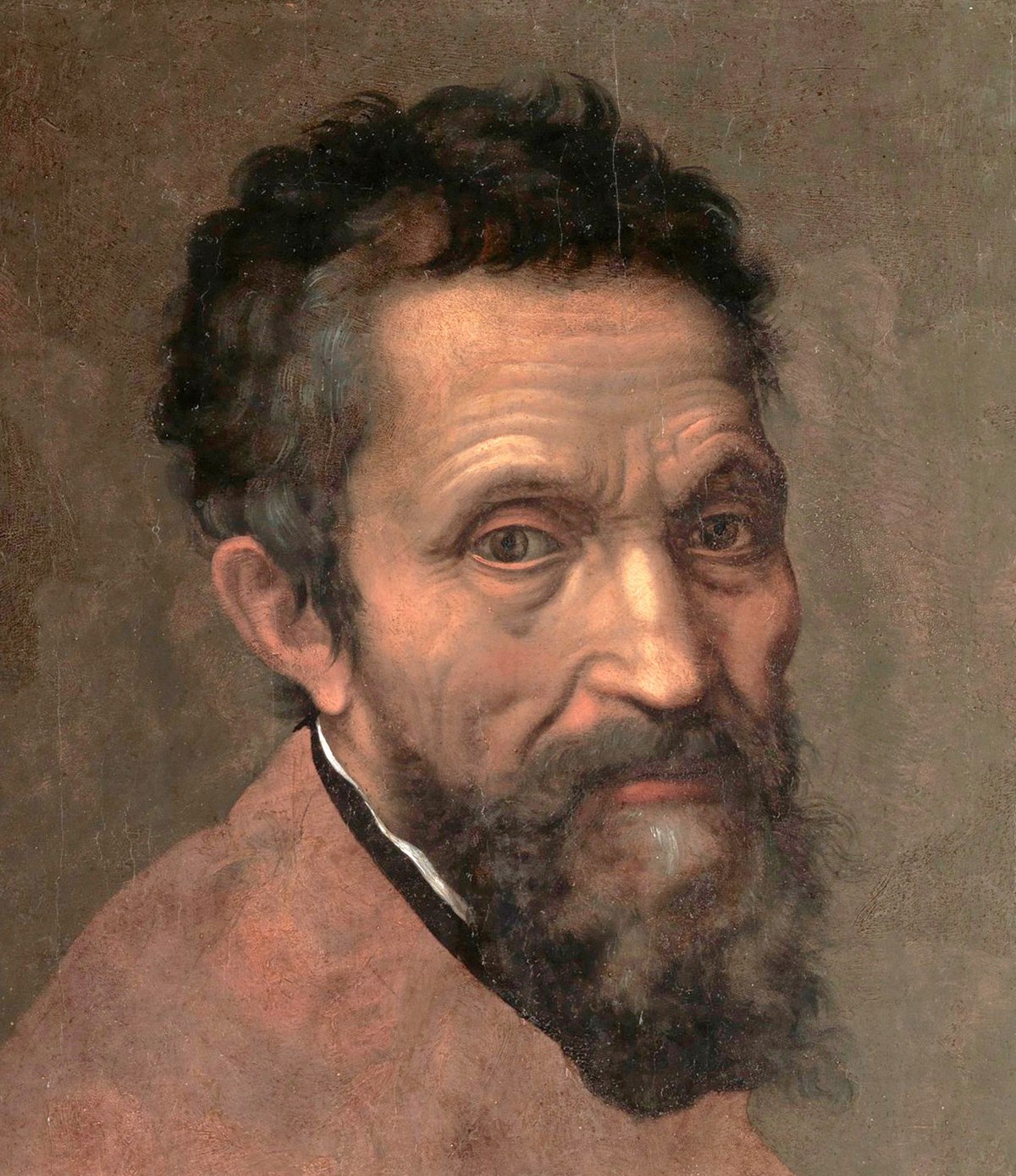
Photo Description: The painting is a depiction of the entombment of Jesus Christ. The main focus is on the figure of Jesus lying in his tomb with his arms outstretched. There are several other figures surrounding him, including Mary Magdalene and John the Apostle. In total, there are nine people visible in the painting, each with their own unique role or position within the scene. Some are standing close to the main figure of Jesus while others are further away, creating a sense of depth and perspective in the image. The overall composition is well-balanced and thoughtfully arranged, capturing the emotions and significance of this important religious event.
Size: 159 x 149 cm
Date: 1510
Michelangelo Buonarroti – A Renaissance Forged in Stone and Paint
Michelangelo di Lodovico Buonarroti Simoni (6 March 1475 – 18 February 1564), known mononymously as Michelangelo, was an Italian sculptor, painter, architect, and poet of the High Renaissance. He was born in the Republic of Florence but was mostly active in Rome from his 30s onwards. His work was inspired by models from classical antiquity and had a lasting influence on Western art. Michelangelo's creative abilities and mastery in a range of artistic arenas define him as an archetypal Renaissance man, along with his rival and elder contemporary, Leonardo da Vinci. Given the sheer volume of surviving correspondence, sketches, and reminiscences, Michelangelo is one of the best-documented artists of the 16th century. He was lauded by contemporary biographers as the most accomplished artist of his era.
За това произведение
- Заглавие: Отвръщане (Микеланджело)
- Художник: Микеланджело Буонароти
- Година: 1510
- Оригинални размери: 159.0 x 149.0 cm
- Формат: Портрет
- Авторско право: Обществено достояние
- Местоположение на произведението: Национална галерия
- Материал: Акрил върху платно
- Епоха: Ренесанс
- Творчески период: Early Renaissance
Бързи факти
- Movement: Ренесанс
- Location: Националната галерия, Лондон
- Artistic style: Религиозен барок
- Medium: Темпера върху дърво
- Influences: Ренесанс
- Subject or theme: Погребение на Христос
- Year: ок. 1500-1501
QR код
