


The Shrine of Remembrance: A Testament to Resilience and Reflection
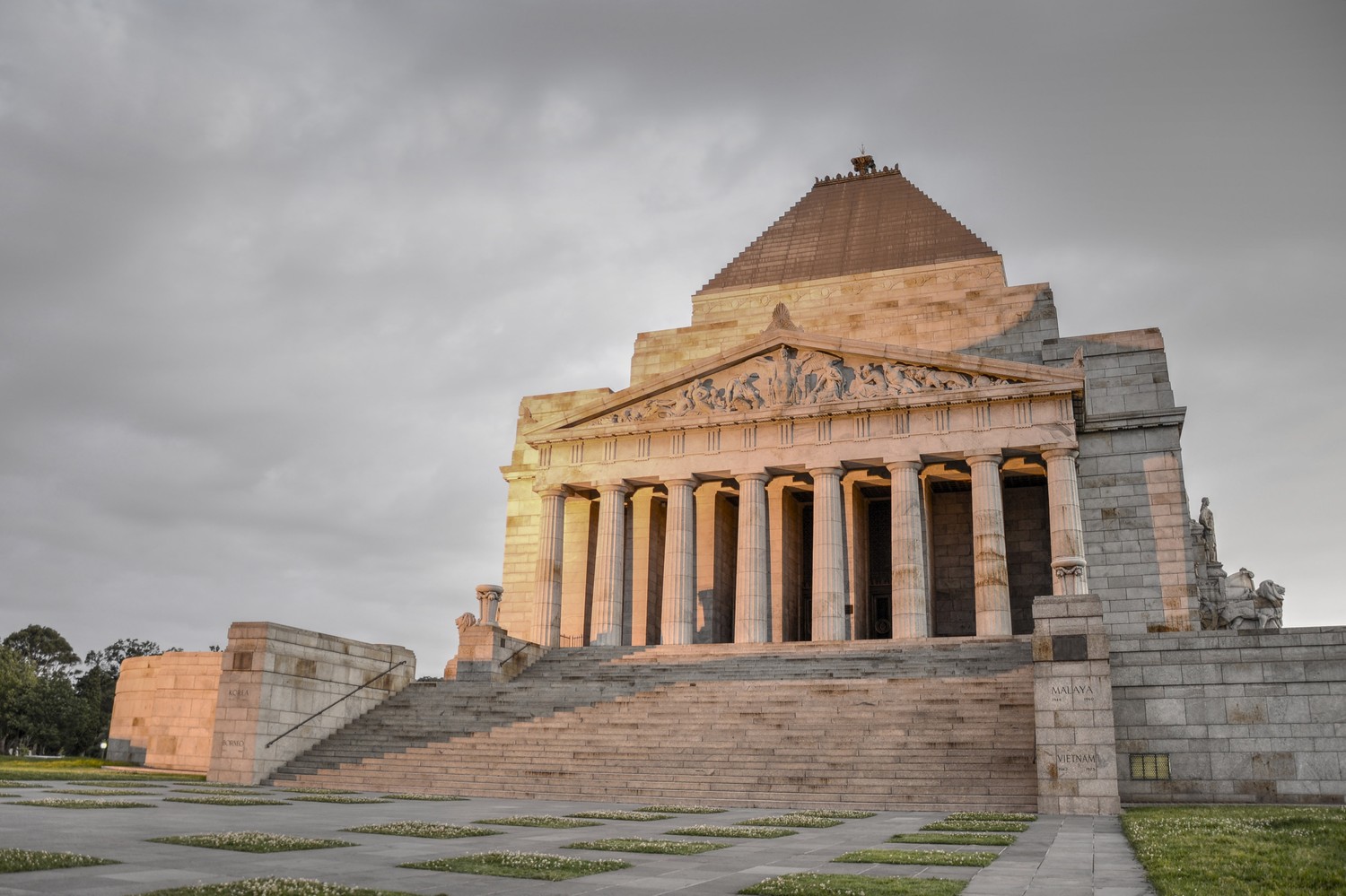
Nestled within Kings Domain in Melbourne’s heart, the Shrine of Remembrance is far more than just a war memorial; it's an enduring symbol of Australian courage, sacrifice, and the profound weight of remembrance. Constructed from imposing Tynong granite – a stone chosen for its strength and durability – and echoing the grandeur of classical architectural masterpieces like Mausolus and the Parthenon, the Shrine stands as a testament to both artistic ambition and deeply held civic values. Its story—one of fervent advocacy, spirited debate, and ultimately triumphant realization—is interwoven with compelling narratives of visionaries like Sir John Monash and the remarkable artistry of figures such as Paul Raphael Montford and Eva Ellenor Benson. The building’s design isn't merely a monument to war; it’s an invitation for quiet contemplation, a space deliberately crafted to foster introspection and honor the legacy of those who served.
The genesis of the Shrine lies in the immediate aftermath of World War I, 1918. Recognizing the urgent need for a tangible tribute to Victoria's fallen soldiers, a War Memorials Advisory Committee was swiftly established, spearheaded by Sir John Monash—a visionary commander who understood the vital importance of commemorating sacrifice and fostering national introspection. Initially conceived as an arched monument, the design quickly evolved into the monumental structure we see today, situated east of St Kilda Road to ensure its visibility from Melbourne’s city center. The competition launched in March 1922 attracted designs from across Australia and beyond, ultimately culminating in the unanimous endorsement of Buchanan & Cowper's proposal—a choice deeply influenced by the architects’ own wartime experiences and their clear understanding of classical principles. This careful selection reflects a deliberate attempt to create a space that transcends mere grief, aiming instead for a profound sense of national unity and remembrance.
However, the Shrine’s journey wasn't without its challenges. The winning design faced significant opposition from segments of Melbourne society, notably spearheaded by Keith Murdoch’s *Herald Sun*, which questioned the monument’s scale and expense during an era marked by economic hardship. Critics argued that funds would be better invested in practical initiatives such as hospitals or war widows’ homes. Furthermore, certain religious congregations voiced disapproval of the design’s lack of Christian iconography. Yet, Monash’s unwavering determination—fueled by a passionate desire to establish a dedicated national memorial—proved decisive. A powerful Anzac Day march and subsequent governmental backing in 1927 secured the project's future, culminating in the cornerstone laying on November 11th, 1927 – a symbolic date commemorating Armistice Day – and the official opening on November 11th, 1934. The meticulous detailing of the Shrine, including the Stone of Remembrance bearing “Greater love hath no man,” underscores its solemn purpose as a living memorial.
Architectural Marvel and Artistic Detail
The Shrine’s architectural language is profoundly rooted in classical principles—specifically drawing inspiration from the Tomb of Mausolus at Halicarnassus and the Parthenon in Athens. Constructed from robust Tynong granite, its central sanctuary encircling ambulatory fosters contemplative reflection. The soaring ziggurat roof culminates in a crowning element referencing Lysicrates’ Choragic Monument – a deliberate articulation of timeless ideals of heroism and artistic achievement. The meticulous detailing is breathtaking; the Stone of Remembrance, with its poignant inscription, stands as a focal point for quiet contemplation. But beyond the grand scale, it's the subtle artistry that truly captivates: the intricate carvings, the carefully considered proportions, and the play of light within the sanctuary all contribute to an atmosphere of solemn reverence. The use of granite, chosen for its durability and association with strength, speaks volumes about Australia’s resolve in the face of adversity.
The Shrine's artistic program extends far beyond its physical structure. Notable contributions include the exquisite needlework by Beryl Christina Woodhall depicting scenes from Australian military history – a testament to the skill and dedication of local artisans. These tapestries, rich with detail and color, offer poignant glimpses into the realities of war and sacrifice. The monumental sculptures by Paul Raphael Montford—including the evocative *Spirit of Anzac* – capture the spirit of Australia’s wartime experience, embodying both the bravery and the profound sorrow of a nation at war. Furthermore, Eva Ellenor Benson's portraiture and figure studies add layers of emotional depth to the memorial’s narrative, portraying the faces of those lost and reminding visitors of their individual stories.
A Living Memorial: Ceremony and Reflection
What distinguishes the Shrine from conventional memorials is its capacity to function as a vibrant space for ongoing remembrance ceremonies—most notably Anzac Day (April 25th) and Remembrance Day (November 11th). The Shrine transforms into a focal point for national mourning, hosting solemn marches, moving wreath-laying ceremonies, and powerful musical performances. Visitors can explore extensive exhibitions delving into Australia’s military history, witnessing firsthand accounts of battles fought and lives lost. The annual illumination of “Love” on Remembrance Day – a beam of light shining through an aperture in the roof – transforms sunlight into a beacon of hope amidst solemnity, encapsulating the Shrine's core mission: ensuring that remembrance remains an active process, fostering dialogue, and preserving Australia’s heritage for future generations. This symbolic gesture highlights the enduring values of compassion and unity even in times of profound loss.
Exploring the Shrine Today
Today, the Shrine of Remembrance continues to serve as a vital center for reflection and education. Regular tours offer insights into its history, architecture, and artistic details, guided by knowledgeable volunteers who share compelling stories about the individuals commemorated there. The exhibitions provide a comprehensive overview of Australia's military involvement in conflicts around the world, while the annual ceremonies draw thousands of visitors from across the country and beyond. The Shrine’s website (shrine.org.au) provides detailed information on upcoming events, tours, and educational programs – making it accessible to both local residents and international visitors alike. A visit to the Shrine is not merely a commemoration; it's an opportunity to connect with Australia's past, honor its heroes, and reflect on the enduring values of courage, sacrifice, and remembrance.