The Barnes Foundation – A Sanctuary of Vision
The Barnes Foundation stands as an unparalleled testament to Albert C. Barnes’s singular vision—a conviction that art possesses its fullest power when experienced relationally, and that true understanding blossoms from direct observation. Established in 1922 amidst the burgeoning artistic landscape of Philadelphia, it began as a private collection housed within Barnes’s Merion residence, fueled by an unwavering passion for aesthetics and underpinned by a pedagogical philosophy rooted in John Dewey's belief that learning should be experiential. From its inception, Barnes sought to dismantle traditional art historical narratives, urging viewers to engage with artworks not merely as isolated masterpieces but as components within a larger, harmonious whole—a bold departure from prevailing conventions that continues to define the Foundation’s ethos today.
-
A Revolutionary Display Method: The Ensemble Aesthetic
-
The Barnes Collection – A Treasure Trove of Impressionism and Post-Impressionism
-
Architectural Harmony: Cret's Vision for Benjamin Franklin Parkway
-
Beyond the Walls: The Arboretum – A Living Laboratory
-
A Legacy of Engagement: Barnes’s Educational Philosophy
A Revolutionary Display Method: The Ensemble Aesthetic
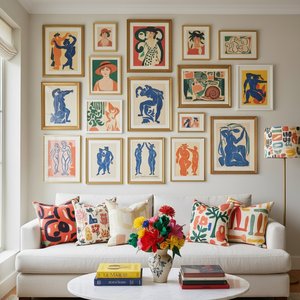
What truly distinguishes the Barnes Foundation is its revolutionary display method—the “ensemble” arrangement. Forget chronological order or artist-centric groupings; here, paintings are hung in carefully curated clusters, juxtaposing disparate styles, periods, and cultures to ignite visual connections and encourage deeper contemplation. This deliberate interplay isn’t arbitrary; it's rooted in Barnes’s conviction that art reveals its full power when experienced relationally—through contrasts of form, color, line, and light. He sought to dismantle traditional hierarchies, urging viewers to engage with artworks not as isolated relics of the past but as elements within a larger, harmonious whole. This approach demands active participation from the visitor, prompting them to forge their own interpretations and discover hidden resonances between seemingly unrelated works. The result is an exhilarating, intellectually stimulating experience that challenges conventional art historical narratives and invites a profoundly personal response. It’s a space where the eye is constantly led on a journey of discovery, finding unexpected harmonies and challenging preconceived notions about artistic value—a deliberate echo of Barnes's formative years spent absorbing Dewey’s ideas about education and fostering a love for observation.
The Barnes Collection – A Treasure Trove of Impressionism and Post-Impressionism
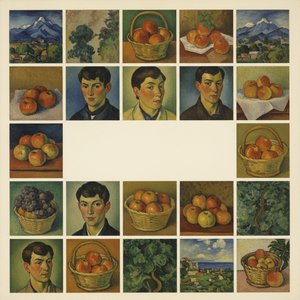
The Barnes Foundation boasts an extraordinary collection, particularly renowned for its holdings of Impressionist, Post-Impressionist, and early Modern paintings. It’s a place where one can encounter an astonishing sixty-nine works by Pierre-Auguste Renoir, each capturing the fleeting beauty of everyday life with luminous brushstrokes—a masterful distillation of Impressionistic ideals. But it is Paul Cézanne who reigns supreme here; the Foundation houses over 181 of his paintings—arguably the largest and most comprehensive collection globally. These canvases reveal Cézanne’s relentless pursuit of form and structure, his groundbreaking exploration of perspective and spatial relationships that paved the way for Cubism and modern art. *Garçon au Gilet Rouge*, a particularly compelling example, showcases his masterful use of color and composition to convey both psychological depth and formal innovation—a testament to Cézanne's pioneering approach to artistic representation. Beyond Cézanne, the Barnes showcases a significant representation of Henri Matisse’s evolution as an artist, from his early Fauvist experiments to his later, more decorative compositions. Masterpieces by Van Gogh and Gauguin further enrich the collection—Gauguin's *M Loulou* is a particularly evocative example—demonstrating Barnes’s unwavering commitment to capturing emotion and conveying symbolic meaning through visual language.
Architectural Harmony: Cret's Vision for Benjamin Franklin Parkway
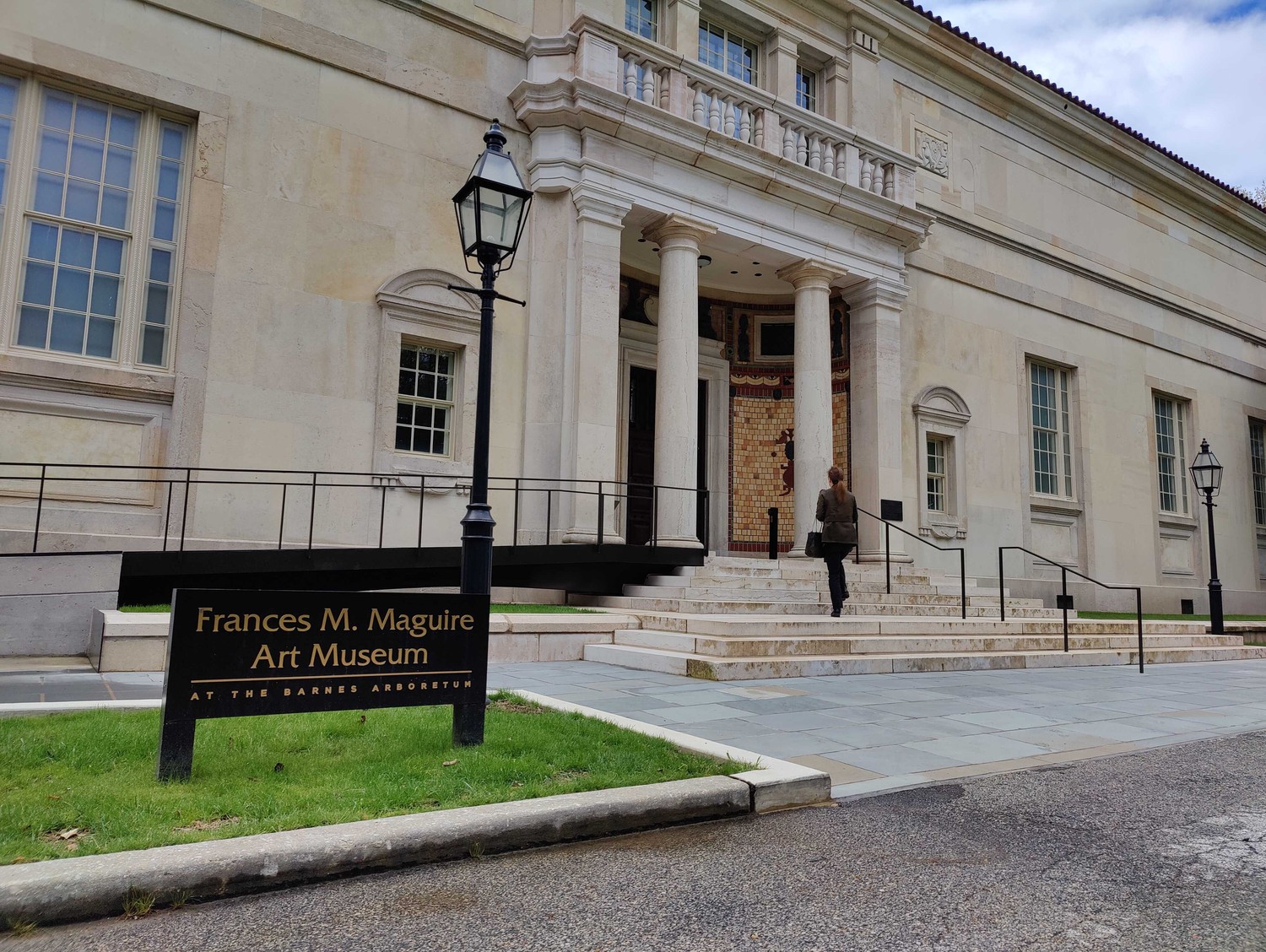
The building housing The Barnes Foundation was conceived by architect Paul Philippe Cret as an embodiment of Barnes’s belief that architecture should complement art, fostering a contemplative atmosphere conducive to artistic appreciation. Cret meticulously designed the complex—including the gallery, administration building and Arboretum—to mirror the scale and intimacy of Barnes's original Merion residence, ensuring his distinctive vision remained powerfully intact. The building’s façade incorporates limestone and terracotta tiles, reflecting the architectural traditions of Philadelphia and creating a sense of grandeur and solidity. Cret skillfully positioned the gallery on Benjamin Franklin Parkway, maximizing natural light and providing panoramic views of the surrounding landscape—a deliberate gesture intended to inspire visitors and elevate their experience of art.
Beyond the Walls: The Arboretum – A Living Laboratory
Dr. Barnes's passions extended beyond the realm of art; he was also a dedicated horticulturist, and his love for nature is beautifully reflected in the Arboretum of the Barnes Foundation. Originally part of the Merion estate, the Arboretum remains open to the public, offering serene gardens and winding walking paths—a tranquil escape from the urban landscape. Showcasing rare trees, historic plant collections, and serving as a living laboratory for horticultural education, it continues Barnes’s commitment to fostering an appreciation for both artistic and natural beauty. The Arboretum is now partnered with Saint Joseph's University, ensuring its continued flourishing as a center for learning and research—a testament to Barnes’s enduring belief in the transformative power of engaging with the natural world alongside artistic contemplation.
A Legacy of Engagement: Barnes’s Educational Philosophy
Barnes’s conception of his foundation as a school rather than a typical museum was shaped through his collaboration with John Dewey (1859–1952). Like Dewey, Barnes believed that learning should be experiential. The Foundation classes included experiencing original art works, participating in class discussion, reading about philosophy and the traditions of art, as well as looking objectively at the artists’ use of light, line, color, and space. Barnes believed that students would not only learn about art from these experiences but that they would also develop their own critical thinking skills enabling them to become more productive members of a democratic society—a conviction that continues to guide The Barnes Foundation's educational programs today.