



A Journey Through Centuries of Knowledge and Artistic Expression
The Biblioteca Nacional de España stands as more than just a repository for books; it embodies the very soul of Spain’s intellectual tradition. Founded in 1711 by King Philip V, initially conceived as a safeguard for royal manuscripts—a testament to the Bourbon monarchy's commitment to safeguarding its legacy—the library swiftly evolved into a national treasure – a beacon illuminating the Iberian Peninsula’s rich cultural past.
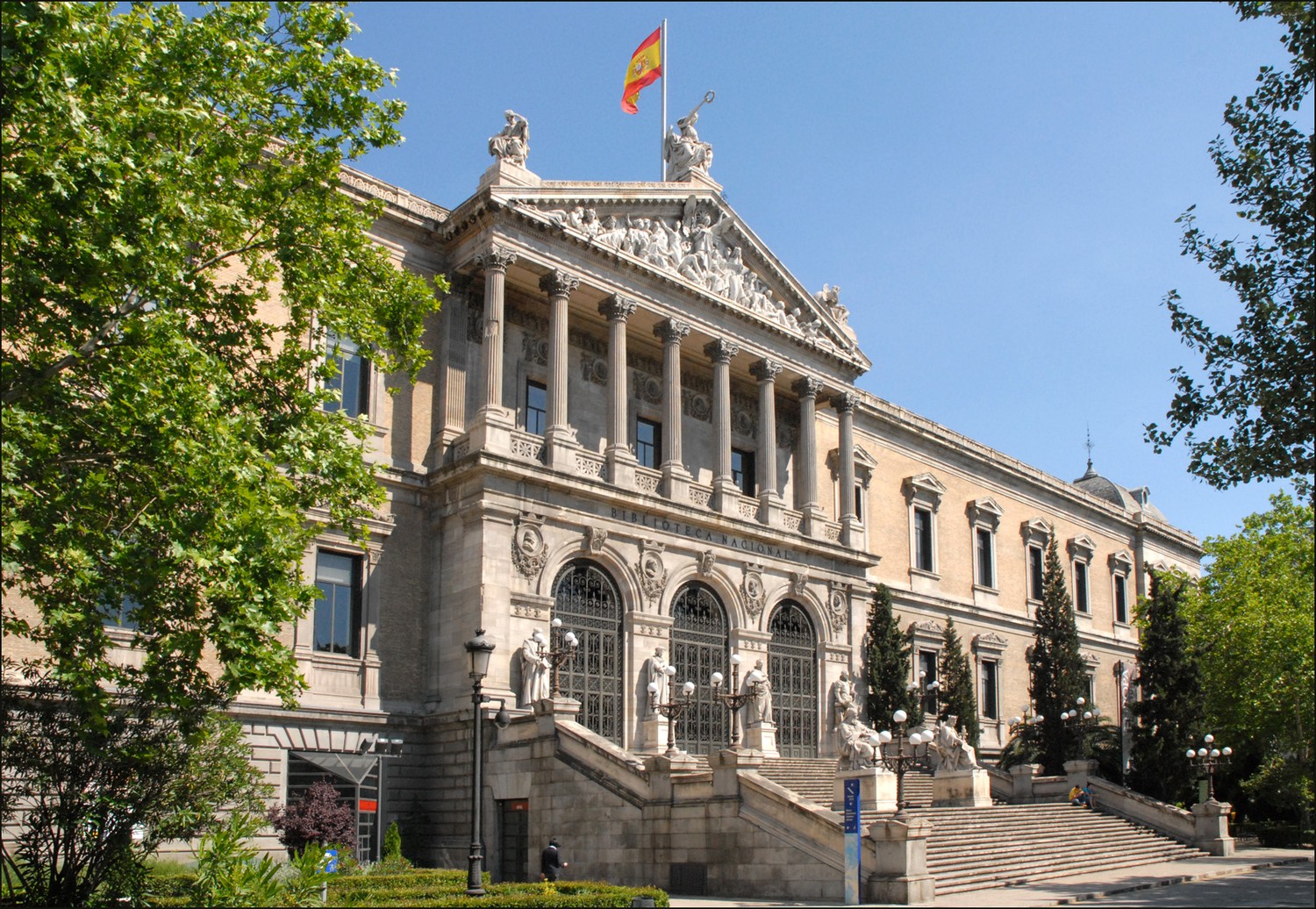
Its architectural harmony is immediately striking. Constructed in 1834 by Narciso Sanz Pascual, the edifice deliberately eschews the opulent excesses of earlier styles, favoring symmetry, proportion and rational design—hallmarks of the Enlightenment spirit. The façade is adorned with sculptures depicting figures from Spain’s literary and artistic canon – a symbolic declaration of its dedication to preserving its cultural heritage.
Notably, the Biblioteca Nacional shares its headquarters with the Museo Nacional Arqueológico Español (National Archaeological Museum), creating a symbiotic relationship between art history and archaeological discovery. This shared space underscores the interconnectedness of human expression across time, inviting visitors to contemplate the enduring power of storytelling in all its forms.
Treasures Within: A Tapestry of Knowledge
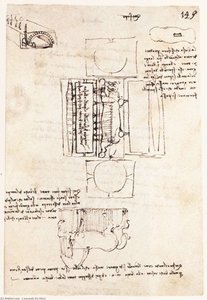
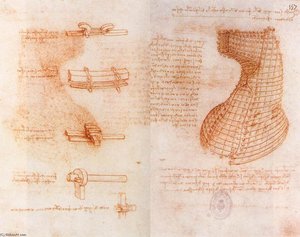
The Biblioteca Nacional’s collection boasts an unparalleled breadth and depth, spanning disciplines and eras. Among its most prized possessions are over 30,000 manuscripts—incunables bearing the imprint of Aldine Press and even a Gutenberg Bible – offering invaluable insights into Renaissance scholarship and artistic innovation. These ancient texts aren't merely relics; they are portals to lost worlds, whispering tales of scribes, scholars, and the painstaking process of preserving knowledge across generations.
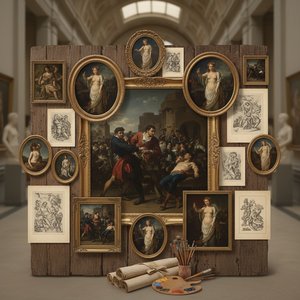
Beyond manuscripts, the library houses more than 4.5 million graphic materials—prints by masters like Goya, Picasso, Velázquez, and Sorolla; drawings showcasing Spain’s artistic evolution from Gothic to Baroque; and photographs documenting pivotal moments in Spanish history. The sound recordings archive is equally impressive, holding over 600,000 recordings capturing the sounds of Spanish music and culture throughout the ages – from passionate flamenco performances to soaring opera excerpts.
Illuminating Artistic Movements: Exhibitions as Dialogue
The Biblioteca Nacional doesn’t simply preserve the past; it actively engages with it through immersive exhibitions that delve into specific artistic movements and literary themes. A particularly noteworthy undertaking was “El Infierno y las Maravil” (“Hell and Marvels”), a retrospective dedicated to the oeuvre of Darío de Regoyos—a pivotal Spanish painter who championed Impressionism and Neo-Impressionism in Spain during the Belle Époque. The exhibition showcased his evocative landscapes, his haunting “Black Spain” series, and his avant-garde contributions with Les XX – demonstrating how De Regoyos’s artistic vision challenged conventional aesthetic norms and paved the way for new artistic horizons.
These exhibitions serve not only as educational experiences but also as catalysts for stimulating dialogue about art history and its enduring relevance in contemporary society. They transform the library from a passive archive into a dynamic space of intellectual exchange, fostering appreciation for Spain's cultural legacy among both scholars and the general public.
A Legacy of Preservation and Accessibility
The Biblioteca Nacional’s role extends far beyond collection management; it functions as Spain’s State Repository of Cultural Memory, safeguarding invaluable documents and artifacts that chronicle the nation’s history and identity. Crucially, free access to its facilities and exhibitions ensures that knowledge and artistic inspiration remain accessible to all citizens – solidifying its position as a vital component of Spain's cultural landscape.
Visiting this iconic institution is an opportunity to immerse oneself in the captivating narrative of Spanish culture, fostering appreciation for its artistic heritage and promoting intellectual curiosity across generations. It’s a place where the past comes alive, inviting us to connect with the enduring power of human creativity and the timeless pursuit of knowledge.