
Biblioteca Statale di Lucca: A Legacy of Knowledge and Art
Nestled within the historic walls of Lucca’s Santa Maria Corteorlandini convent – a UNESCO World Heritage Site – Biblioteca Statale di Lucca stands as a testament to Tuscan intellectual heritage. Founded in the XVII century by Abbot Girolamo Minutoli, it began its journey as the Library of the Order of Regular Clerics of the Mother of God and quickly evolved into a beacon for scholarly pursuits.
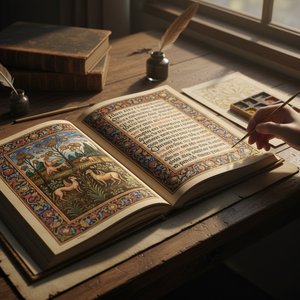
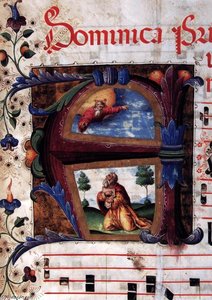
- A Treasure Trove of Manuscripts: The Biblioteca’s collection boasts over 4,321 handwritten documents spanning centuries, including illuminated Gospels and rare theological treatises. These manuscripts offer invaluable insights into the artistic and intellectual currents of their time.
- Rare Books Beyond Compare: With approximately 365,000 volumes – encompassing everything from ancient Greek texts to Renaissance masterpieces – Biblioteca Statale di Lucca houses one of Italy’s most impressive literary holdings. Among them are editions of Euclid's Elements and Luca Pacioli's groundbreaking work on arithmetic.
- The Fiorentini Herbarium: A botanical marvel, the Herbarium comprises 15 volumes meticulously documenting flora from across Europe and beyond. Created by Francesco Maria Fiorentini, it exemplifies the scientific curiosity characteristic of the XVII century.
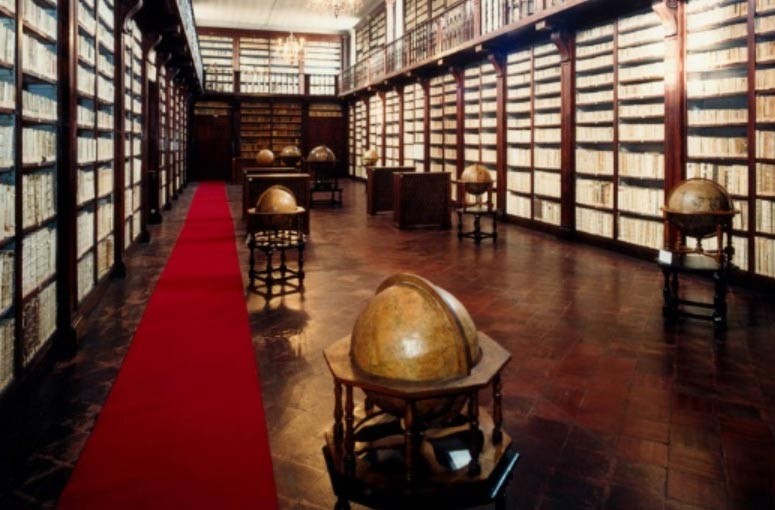
- Astronomical Instruments: The Biblioteca’s observatory, established by Michele Bertini, houses instruments originating from Marlia, showcasing Lucca's commitment to scientific advancement during its golden age.
The Biblioteca’s architectural splendor reflects the grandeur of the Renaissance era. Situated in a beautifully preserved convent building, it embodies the spirit of humanist ideals and artistic innovation. Its serene interior spaces invite contemplation and inspire visitors to delve into the rich tapestry of human knowledge.
Historical Significance: From Abbot Minutoli's Vision to Modern Scholarship
The Biblioteca’s history is inextricably linked to Lucca’s intellectual life. Established as part of the Pio Istituto di San Frediano, it played a crucial role in fostering education and promoting scientific inquiry during the XVIII century. Subsequent acquisitions—including the Biblioteca Fiorentini and the Vatican Library’s bequest—further enriched its collection and solidified its reputation as a center for scholarly excellence.
Notable Exhibitions & Ongoing Research
Biblioteca Statale di Lucca actively engages in research projects aimed at preserving and disseminating knowledge. Regular exhibitions showcase rare manuscripts, illuminated texts, and scientific instruments, captivating audiences with glimpses into the past. The Biblioteca’s curators diligently care for its treasures, ensuring that they continue to inspire future generations of scholars.
What Makes Biblioteca Statale di Lucca Unique?
More than just a repository of books; Biblioteca Statale di Lucca embodies Lucca's enduring commitment to culture and learning. Its breathtaking architecture, its unparalleled collection of manuscripts, and its dedication to scholarly research converge to create an experience that transcends time—a journey into the heart of Renaissance intellectual heritage.