
A Sanctuary of Knowledge: Unveiling the Biblioteca Apostolica Vaticana
Nestled within the very heart of Vatican City, the Biblioteca Apostolica is far more than a mere repository of books; it’s a living testament to human intellectual history, a sanctuary where echoes of antiquity resonate alongside the quiet rustle of turning pages. Established in 1475 by Pope Nicholas V – though its roots delve deeper into the annals of Roman scholarship – this institution was conceived as a beacon illuminating the burgeoning Renaissance, a space dedicated not just to collecting knowledge, but to fostering a renewed and passionate engagement with classical learning and laying the groundwork for one of the world’s most significant research centers. Stepping through its grand doors is akin to entering a timeless realm, where sunlight streams through arched windows, bathing the reading rooms in a soft glow that invites contemplation, discovery, and a profound sense of connection to centuries of accumulated wisdom. The very stones seem to whisper stories – tales of scholars poring over ancient texts, artists meticulously illuminating manuscripts, and the tireless pursuit of truth that has defined this remarkable place for generations.
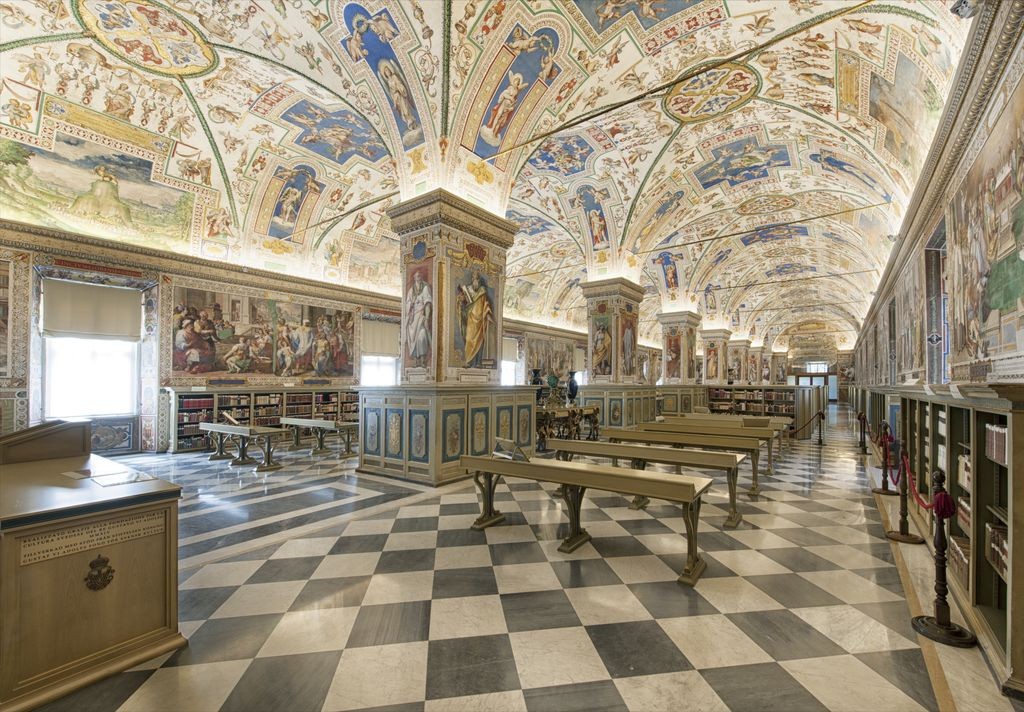
The architectural grandeur of the Biblioteca Apostolica is itself a breathtaking statement, a deliberate embodiment of Renaissance ideals. Commissioned by Pope Sixtus IV, the building’s design isn't merely functional; it’s a carefully orchestrated symphony of harmony, proportion, and classical inspiration – a visual declaration of the library’s purpose and its profound prestige within the Catholic Church. The structure, masterfully crafted by renowned Renaissance architects, seamlessly blends Romanesque solidity with the soaring elegance of Gothic arches and vaults, creating a space that is both imposing in scale and remarkably inviting to the mind. Intricate frescoes adorn the walls, depicting scenes from mythology – stories of gods and heroes wrestling for power, of creation and destruction – alongside biblical narratives that illuminate the foundations of Christian faith. Marble sculptures, each meticulously sculpted to celebrate virtue and knowledge, grace the hallways, guiding visitors on a journey through centuries of intellectual pursuit. The layout itself is a masterful exercise in spatial organization, mirroring the very structure of the human mind: concentric circles radiating outwards from the central heart of research, each section dedicated to a specific field of study – history, theology, law, art, and more – fostering an environment conducive to deep thought, focused investigation, and the seamless flow of ideas.
A Universe Within Walls: Treasures of the Collection
The sheer scale of the Biblioteca Apostolica’s holdings is simply breathtaking; a testament to its enduring legacy as one of the world's most significant manuscript depositories. Over 75,000 codices – handwritten manuscripts representing a vast spectrum of knowledge from antiquity to the modern era – form the very core of its collection. These aren’t merely texts; they are tangible artifacts imbued with the spirit of their creators, each page bearing witness to the hands of skilled scribes and artists who dedicated years to rendering every detail with exquisite care. Imagine the painstaking hours spent meticulously illuminating a single page, from the folds of a robe to the expression on a saint's face – these manuscripts are windows into vanished worlds, offering glimpses into lost civilizations, forgotten philosophies, and the very heart of human creativity. Beyond these invaluable codices, the library boasts an astonishing 1.1 million printed books, including rare incunabula – books printed before 1501 – providing unparalleled insights into the evolution of printing and publishing techniques. Furthermore, the Biblioteca houses a remarkable collection of historical documents: papal bulls, treaties, personal correspondence, and legal texts that provide firsthand accounts of pivotal moments in history, shaping our understanding of the past with their intimate details and profound significance.
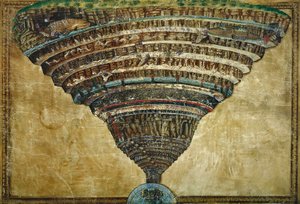
Among its most prized possessions are exquisite illuminated manuscripts – veritable masterpieces of medieval craftsmanship. The vibrant colors—azure blues, ruby reds, and emerald greens—remain remarkably vivid after centuries, a testament to the skill of the artists who created them. Delicate gold leaf adorns every page, transforming each manuscript into a miniature work of art, imbued with profound symbolism and devotional significance. These aren’t simply documents; they're objects of beauty and faith, created with meticulous care and intended to inspire awe and reverence. The Biblioteca also holds a significant collection of maps – ancient charts charting unexplored territories, detailed city plans revealing the evolution of urban landscapes, and celestial maps reflecting the scientific advancements of their time. These cartographic treasures offer a fascinating glimpse into how our understanding of the world has evolved over centuries, alongside stunning illuminated manuscripts depicting biblical scenes and classical mythology.
Architectural Style & Historical Context
The Biblioteca’s architectural style represents a harmonious blend of Romanesque and Gothic influences, reflecting the intellectual currents of its time. The building's design speaks to the Renaissance ideals of proportion, symmetry, and classical inspiration – a deliberate choice intended to embody the library’s role as a center for learning and scholarship. Originally conceived by Pope Sixtus IV, the structure incorporates elements reminiscent of Roman basilicas alongside Gothic arches and soaring vaults, creating a space that is both monumental and inviting. The meticulous attention to detail in the construction—from the elaborate frescoes depicting scenes from mythology and biblical narratives to the carefully sculpted marble statues celebrating knowledge and faith—underscores the library’s importance as a symbol of papal authority and intellectual prestige. The location within the Vatican Palace further reinforces its significance, placing it at the heart of the Catholic Church’s administrative and spiritual center – a place where faith and reason converge.
Notable Exhibitions & Research Initiatives
While public access to the core manuscript collections remains largely restricted, the Vatican Apostolic Library periodically hosts exhibitions showcasing select highlights from its holdings. These events offer tantalizing glimpses into the breadth and depth of the collection, often focusing on specific themes or historical periods – exploring topics ranging from medieval alchemy and astrology to Renaissance humanist thought and the history of cartography. The library’s research initiatives are equally impressive, encompassing a vast array of scholarly pursuits—from deciphering ancient languages to analyzing the evolution of artistic styles. Notably, the Biblioteca has embraced modern technology with the implementation of IIIF (International Image Interoperability Framework), allowing users to zoom in on intricate details, compare different versions of texts, and even add their own annotations – fostering a dynamic and interactive experience with these historical artifacts. The library continues to evolve, embracing innovation while remaining steadfastly committed to its core mission: preserving the wisdom of the past for the benefit of future generations.