
The History and Origins of Blenheim Palace
Blenheim Palace was presented to John Churchill, the 1st Duke of Marlborough, by the English nation. This gift was intended to honour his victory in 1704 over French and Bavarian troops. The site was inscribed on the World Heritage List in 1987 during the 11th session of the World Heritage Committee. It remains a World Heritage Site.
The history of the palace is closely tied to the Churchill family. Sir Winston Churchill was born at Blenheim Palace in 1874. His connection to the estate provides a significant link between the building's origins and modern British history.
Architectural Design and Grandeur
The construction of Blenheim Palace took place between 1705 and 1722. Designed by John Vanbrugh and assisted by Nicholas Hawksmoor, the building is a significant example of the English Baroque style. This architectural approach sought to create a structure that functioned as a political statement and a monument, drawing influence from the scale of French palaces like Versailles, as well as medieval and Elizabethan architecture. The design was intended to rival the great continental palaces of Europe in both size and presence.
The interior features the Great Hall, which contains three-tier arcades and Corinthian columns. The ceiling of this space was painted by Sir James Thornhill in 1716, depicting Marlborough presenting the plan of the Battle of Blenheim to Britannia. The palace is set within a large walled landscape park. While the original landscape was regulated by John Vanbrugh, the grounds were later modified by Lancelot “Capability” Brown from 1761 onwards. His work included the creation of two lakes, contributing to a landscape often described as a naturalistic Versailles.
The Grand Landscape and Gardens
The surrounding parkland is a Grade 1 registered Park and Garden. The original landscape was designed by John Vanbrugh, who regulated the course of the River Glyme to suit the estate. This design was later modified from 1761 onwards by Lancelot “Capability” Brown. Brown’s contributions included the creation of two lakes that define the water features of the estate. The resulting landscape is often described as a naturalistic Versailles.
The estate encompasses a large walled landscape park. Within these grounds, five scheduled ancient monuments are situated. The scale of the parkland reflects the historical significance of the site and its association with the 1st Duke of Marlborough. The grounds remain a significant example of English landscape design, integrating formal elements with the natural topography of Oxfordshire.
Masterpieces of the Art Collection
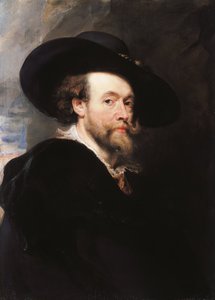
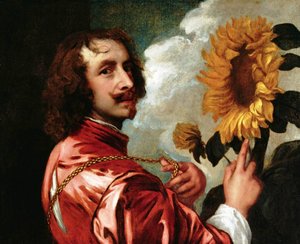
The collection within Blenheim Palace includes significant works from the seventeenth century, particularly those by Anthony van Dyck. His portrait of Katherine Wotton, Lady Stanhope, Countess of Chesterfield (1609-1667), dated 1636, resides here alongside his 1637 depiction of Margaret Lemon as Erminia. These portraits reflect the formal traditions of the era. Peter Paul Rubens is also represented by The Holy Family with Saint Elizabeth and Saint John the Baptist, painted in 1620.
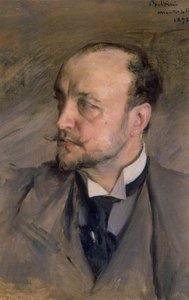
Later additions to the holdings include works by Giovanni Boldini. His portrait of Gladys Deacon, dated about 1908, is part of the collection. Boldini is also represented by Duque Marlborough Singer Sargent y Familia. These pieces contribute to the diverse chronological scope of the works held at the palace.