

A Jewel of Brazilian Culture: The Centro Cultural Banco do Brasil Rio de Janeiro
Nestled within the historic heart of Rio de Janeiro, opposite the vibrant Largo da Candelária, stands a building that transcends its physical form – it’s a living embodiment of Brazil's artistic spirit. The Centro Cultural Banco do Brasil (CCBB) Rio de Janeiro isn’t merely a museum; it’s an immersive experience, a carefully curated journey through the nation’s diverse creative landscape. Born from the legacy of the Commercial Association of Rio de Janeiro in 1880 and subsequently embraced by Banco do Brasil in the 1920s, this architectural masterpiece has undergone a remarkable transformation, evolving into the dynamic cultural hub it is today – a testament to preservation, reinvention, and an unwavering commitment to Brazilian art.
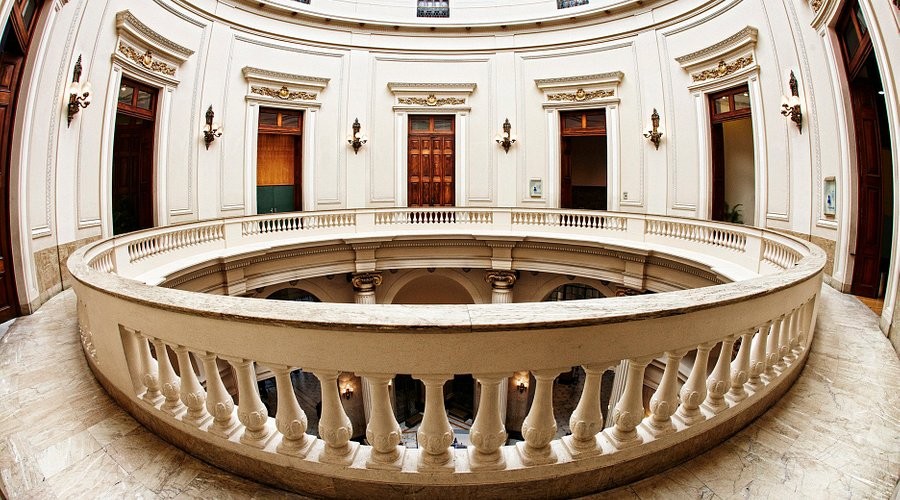
The building itself immediately captivates with its striking Art Deco design. Architect Francisco Joaquim Béthencourt da Silva masterfully blended geometric precision with opulent detailing, creating a symphony in stone and light. Soaring columns reach towards the heavens, intricate ornamentation adorns every surface, and a breathtaking marble staircase – seemingly ascending into an ethereal realm – invites visitors to step back in time. The façade’s deliberate patterns hint at the treasures within, while the interior maintains an atmosphere of refined grandeur, a conscious choice to honor the building's rich past while simultaneously embracing a vibrant future. It is a space where history and modernity intertwine seamlessly, reflecting Brazil’s own evolving identity.
A Kaleidoscope of Artistic Expressions
The CCBB Rio de Janeiro pulsates with creative energy, offering a remarkably diverse program designed to appeal to a wide range of interests. At its core lies an impressive collection of Brazilian and international art exhibitions – from the established masters who shaped the nation’s artistic identity to emerging talents pushing the boundaries of contemporary expression. But the center extends far beyond visual arts; it's a true multidisciplinary hub, consistently hosting captivating theatrical performances ranging from large-scale productions to intimate experimental shows, vibrant cinema screenings showcasing everything from independent Brazilian films to international blockbusters, and a comprehensive library offering access to a wealth of knowledge. The space truly breathes with creative energy, fostering a sense of community and encouraging engagement with the arts.
The CCBB’s reputation as a premier cultural destination was dramatically solidified in 2015 with the presentation of “Picasso and Spanish Modernity,” an exhibition that garnered global recognition as the most visited post-impressionist and modern exhibition worldwide. This remarkable success wasn't an isolated incident; the CCBB consistently curates exhibitions that spark dialogue, challenge perspectives, and celebrate the power of art to transcend boundaries. The institution fearlessly embraces ambitious projects, frequently presenting large-scale retrospectives and thematic explorations that delve into the complexities of artistic movements and individual creative visions – a commitment to pushing the limits of cultural understanding.
Echoes of Brazilian Masters
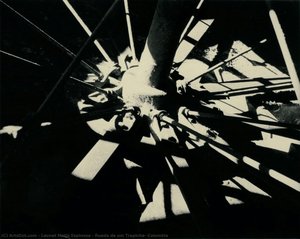
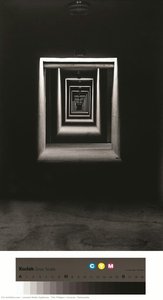
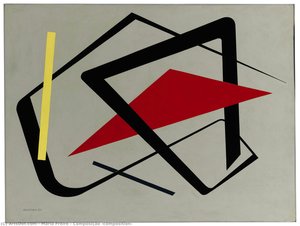
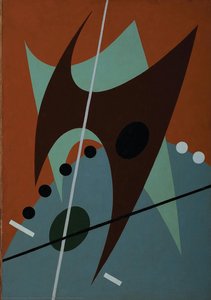
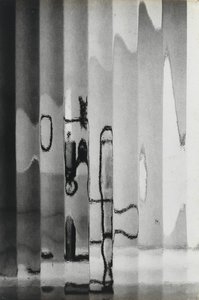
Delving deeper into the collection reveals a fascinating array of Brazilian artists whose work reflects the nation’s diverse cultural landscape. The museum's holdings include significant works by Francisco Togni, renowned for his evocative depictions of industrial São Paulo – particularly “Utilitário Centro Cultural (lado B),” which masterfully captures the city’s essence through geometric forms and cool tones, reflecting a unique perspective on urban life. Equally compelling are the pieces by Hélio Oiticica, a pioneering Neo-Concrete artist whose innovative use of color, environmental art, and immersive installations fundamentally altered the course of Brazilian art. Rubens Teixeira Scavone, a celebrated novelist and artist, is also represented, showcasing his unique blend of creativity and wit – a testament to the multifaceted nature of Brazilian artistic talent.
These artists, alongside many others, contribute to a rich tapestry of Brazilian artistic heritage. The CCBB Rio de Janeiro serves as a vital platform for showcasing their work, ensuring that their legacies continue to inspire future generations. The museum’s commitment to representing diverse voices within the Brazilian art world is a testament to its dedication to cultural inclusivity and preservation – a core value that resonates throughout its programming.
A Legacy Forged in Landmark Exhibitions
Beyond individual artists, the CCBB Rio de Janeiro has consistently hosted exhibitions that have captivated audiences and garnered international acclaim. The 2015 presentation of “Picasso and Spanish Modernity” achieved global recognition as the most visited post-impressionist and modern exhibition worldwide, drawing an astounding number of visitors and solidifying the center’s reputation as a premier cultural destination. This success wasn't an isolated incident; the CCBB consistently curates exhibitions that spark dialogue, challenge perspectives, and celebrate the power of art to transcend boundaries. The institution doesn’t shy away from ambitious projects, frequently presenting large-scale retrospectives and thematic explorations that delve into the complexities of artistic movements and individual creative visions.
More Than a Museum: A Cultural Heartbeat
What truly sets the CCBB Rio de Janeiro apart is its accessibility and comprehensive approach to culture. It’s not simply a place for passive observation; it's an immersive environment designed to engage, inspire, and foster a deeper appreciation for the arts. Its central location near Largo da Candelária ensures easy access for both locals and tourists alike, making cultural enrichment readily available to all. The CCBB is a space where one can lose themselves in the brushstrokes of a masterpiece, be moved by a powerful theatrical performance, or discover new perspectives through independent cinema – all under one magnificent roof. It embodies the vibrant soul of Rio de Janeiro and serves as a vital cultural landmark for Brazil as a whole. It’s a place where art breathes, lives, and connects with the community on a profound level.