


The Royal Library of Denmark – A Beacon of Knowledge and Artistic Inspiration
Located in the heart of Copenhagen, The Royal Library (Det Kongelige Bibliotek) stands as a testament to Danish cultural heritage—a repository not only of books but also of artistic masterpieces that illuminate centuries of history. Founded in 1648 by King Frederik III, it began as a modest collection aimed at bolstering scholarly pursuits and quickly evolved into Scandinavia’s foremost institution for literary research and visual arts.
- A Storied Past: From its inception, the library has been driven by a commitment to preserving Danish literature and fostering intellectual curiosity. Notable figures like Marcus Meibomius and Peder Griffenfeld shaped its early trajectory, establishing traditions of erudition that continue today.
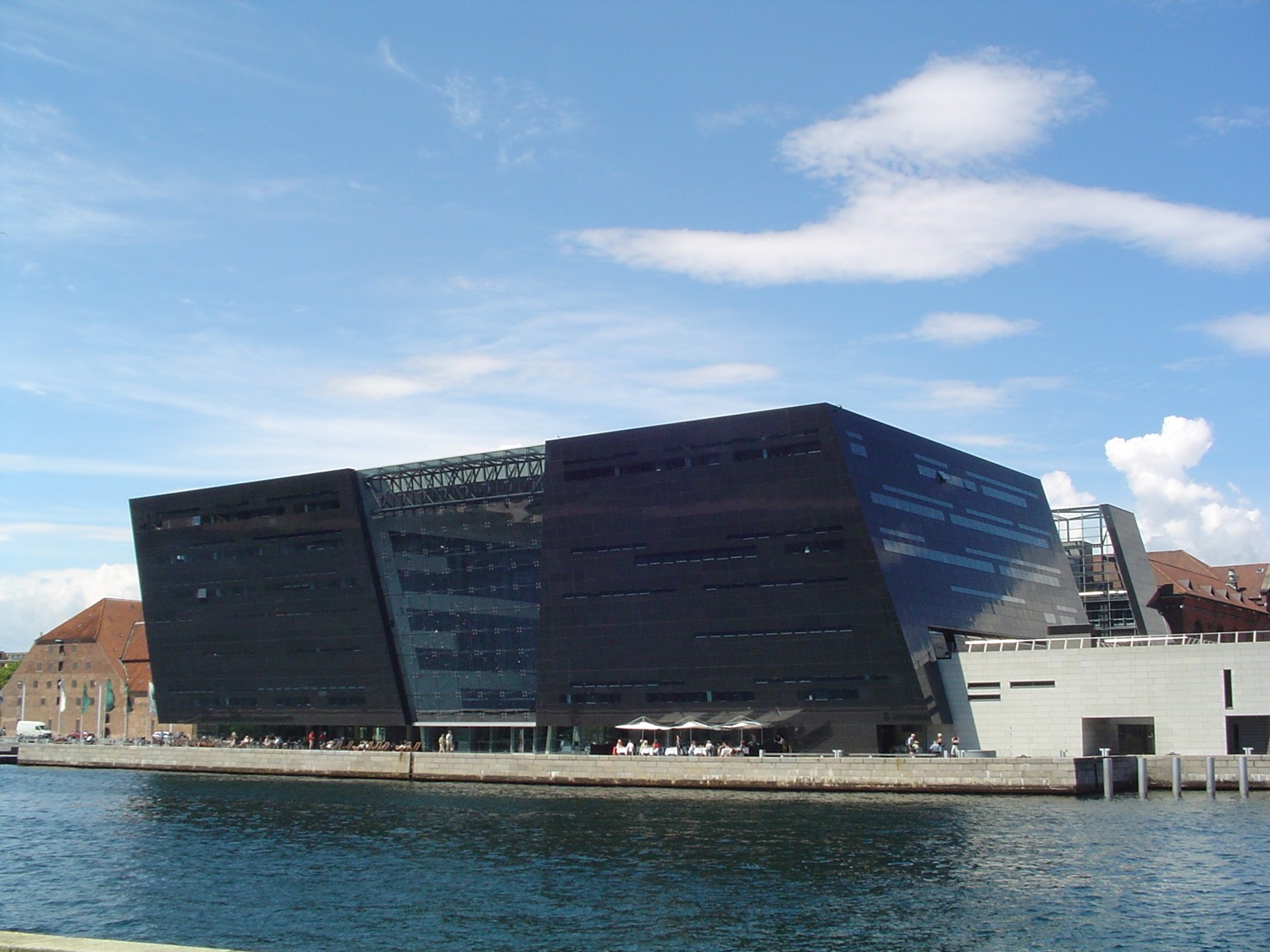
- The Black Diamond – An Architectural Marvel: Completed in 1999 by Schmidt Hammer Lassen Architects, the library’s extension is arguably Copenhagen's most striking architectural landmark. Its distinctive black granite cladding reflects the harbor’s shimmering surface and embodies a bold vision of contemporary design—a harmonious blend of functionality and artistic expression.
- A Treasure Trove of Artistic Treasures: The Royal Library houses an extraordinary collection spanning diverse mediums, including paintings, sculptures, prints, and manuscripts. Among its most celebrated holdings is Hans Holbein the Younger’s “Christina of Denmark,” a portrait that captures the Duchess's regal beauty and embodies the artistic spirit of the Renaissance.
- Notable Exhibitions: Throughout its history, The Royal Library has hosted groundbreaking exhibitions showcasing Danish art history and contemporary creativity. Recent displays have explored themes ranging from Nordic folklore to explorations of visual culture—demonstrating the library’s role as a catalyst for intellectual dialogue and artistic appreciation.
- A Unique Legacy: What distinguishes The Royal Library is its unwavering dedication to safeguarding Denmark's literary heritage. It holds nearly all known Danish printed works dating back to 1482, thanks to generous donations from past generations—a remarkable achievement that underscores its enduring significance as a cultural cornerstone.
The library’s interior spaces are equally captivating, featuring soaring ceilings and expansive windows that flood the halls with natural light—creating an atmosphere conducive to contemplation and scholarly engagement. Visitors can explore exhibitions showcasing Danish art history and contemporary creativity.
Furthermore, The Royal Library's Søren Kierkegaard Archive houses manuscripts by philosopher Søren Kierkegaard—a rare collection accessible only to researchers within the institution. This archive represents a unique glimpse into intellectual life during the 19th century and underscores the library’s commitment to preserving cultural heritage.
Finally, The Royal Library collaborates with The National Museum of Photography, showcasing photographic artworks alongside literary treasures—highlighting the interconnectedness of visual and textual traditions. Its location on Copenhagen's waterfront contributes to its distinctive character as a cultural hub—a place where art, literature, and history converge.