Музее де Лоранжѝ

Бързи факти

  • Featured artists:
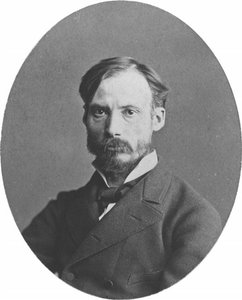
    • Пиер-Огюст Реноар
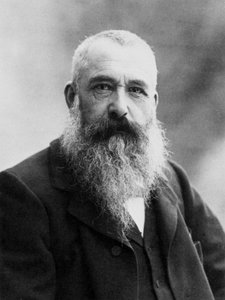
    • Клод Моне
    • Claude Monet
    • Pierre-Auguste Renoir
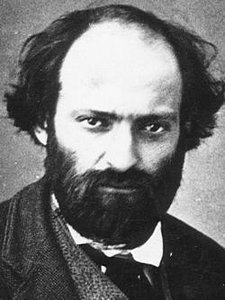
    • Пол Сезан
  • Location: Париж, Франция
  • Art types: стени и декорация
  • Historical periods:
    • 19-ти век
    • ренесанс
  • Разгърни скритите подробности
  • Movements:
    • impressionist painting
    • post-impressionism
  • Mediums:
    • акрил върху платно
    • масло върху платно
    • пастел
  • Works on APS: 20
  • Alternate names: Музей дьо Лор

Тест за изкуство

За всеки въпрос има само един верен отговор.

Въпрос 1:
В коя градина се намира Музеят д’Оранжере?
Въпрос 2:
Каква художествена школа е най-забележително представена в Музея д’Оранжере с картините си ‘Волният поток’?
Въпрос 3:
Кой художник е най-известно представен в Музея д’Оранжере с серията си ‘Волният поток’?
Въпрос 4:
Първоначално каква беше целта на сградата, която сега е Музей д’Оранжере?
Въпрос 5:
В допълнение към Моне, кои други художници са представени в Музея д’Оранжере?
Въпрос 6:
Кой е поръчал превръщането на Оранжереята в музей след Първата световна война?
Въпрос 7:
Каква забележима архитектурна характеристика имат стаите, предназначени за картините ‘Волният поток’?
Въпрос 8:
Музеят д’Оранжере се намира близо до каква известна парижка забележителност?
Въпрос 9:
Какво буквално означава името на музея ‘Оранжере’?

A Sanctuary of Light: The Musée de l'Orangerie

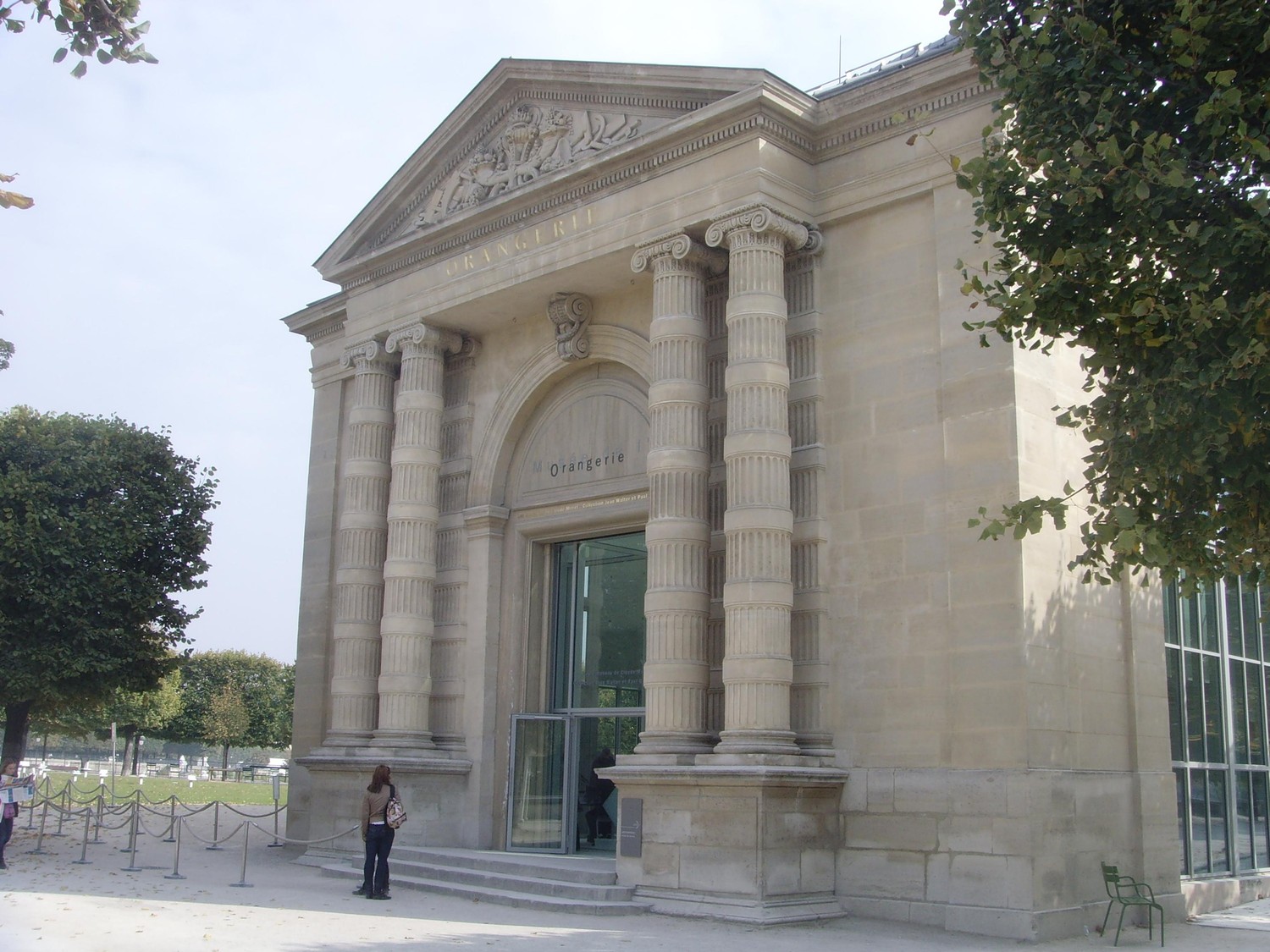
Nestled within the tranquil embrace of the Tuileries Garden in Paris, the Musée de l’Orangerie is far more than a mere repository of masterpieces; it’s an immersive experience, a sanctuary dedicated to the ethereal beauty of Impressionism and Post-Impressionism. Originally conceived as a charming orangery for Napoleon III's citrus trees – a testament to his desire to bring a touch of the exotic to the heart of Paris – the building underwent a profound transformation following World War I. Driven by a deep yearning to honor artistic genius and offer solace through contemplation, it became a space deliberately designed to nurture the soul. The very air within the Orangerie seems imbued with a sense of serenity, a carefully cultivated atmosphere meant to deepen the viewer’s connection with the extraordinary works housed within its walls. It's as if stepping into a world crafted specifically for quiet reflection and profound appreciation of art.

Monet’s Water Lilies: An Immersive Dream

At the heart of the Musée de l’Orangerie, dominating the space with their sheer scale and breathtaking beauty, lie Claude Monet’s monumental *Water Lilies* murals. These eight vast canvases are not simply paintings; they are enveloping environments, meticulously designed to transport visitors directly into the very essence of Monet's beloved garden at Giverny. Commissioned by the French state as a poignant symbol of peace and reconciliation after the devastation of war – a gesture intended to heal a nation’s wounds through beauty – these panels were conceived specifically for the Orangerie’s unique oval rooms. Architect Camille Lefèvre, with remarkable foresight, ingeniously crafted these spaces, incorporating strategically placed skylights that bathe the murals in an ever-shifting play of natural light, mirroring the subtle and constantly changing ambiance of Monet's own garden. Standing within these rooms is a truly transformative experience; you are surrounded by shimmering reflections, delicate hues, and an almost palpable sense of tranquility – a world removed from the bustle of Parisian life, where time seems to slow down and the beauty of nature reigns supreme. The sheer scale of the murals is undeniably impressive, but it’s the subtle interplay of light and color, the masterful demonstration of Impressionist technique, that truly captivates the senses and draws you into Monet's dreamlike vision.

Beyond Monet: A Dialogue of Modern Masters

While Monet’s *Water Lilies* undoubtedly form the cornerstone of the Orangerie’s collection, the museum offers a remarkably diverse and compelling panorama of modern art. It’s not just a celebration of one artist; it's a carefully curated dialogue between masters who shaped the course of 19th and early 20th-century painting. Alongside Monet, you’ll discover the explorations of form and color by Paul Cézanne – his groundbreaking work laying the groundwork for Cubism – juxtaposed with the vibrant palettes and expressive compositions of Henri Matisse, a dynamic counterpoint to the Impressionist aesthetic. The collection extends further, showcasing significant pieces by Renoir, Modigliani, Rousseau, Sisley, Soutine, Utrillo, and even Picasso, offering a comprehensive glimpse into the artistic landscape of that transformative era. Each artist’s presence feels deliberate, creating a rich tapestry of influences and innovations – a testament to the interconnectedness of their creative journeys.

Architecture as Atmosphere: A Harmonious Space

The Musée de l'Orangerie is not simply a building housing art; its architecture actively contributes to the overall experience, elevating it beyond a traditional museum setting. The building itself, with its elegant glass façade and understated design, seamlessly integrates into the surrounding Tuileries Garden, creating a sense of harmony between nature and art. Architect Camille Lefèvre’s innovative oval rooms were specifically designed to showcase Monet's *Water Lilies*, transforming them into intimate and contemplative spaces. The deliberate use of natural light, filtering through the strategically positioned skylights, enhances the paintings’ delicate hues and shimmering surfaces, creating an almost ethereal atmosphere. This careful orchestration of architecture and art is what truly sets the Orangerie apart – it’s a space where beauty resonates on every level, a testament to the power of thoughtful design in amplifying artistic appreciation.

A Legacy of Vision: The Orangerie Today

Today, the Musée de l'Orangerie continues to be a beacon for art lovers and scholars alike, attracting visitors from around the globe. Its unwavering commitment to showcasing masterpieces of Impressionism and Post-Impressionism, combined with its unique architectural setting and regularly hosted temporary exhibitions exploring various facets of modern art, makes it an unparalleled cultural destination. The museum stands as a powerful reminder of the enduring legacy of these artistic movements and their profound impact on our understanding of beauty, perception, and the human experience – a place where one can truly lose oneself in the transformative power of art, seeking solace and inspiration within its serene walls.
© 2026 mus3ums.com