

A Sanctuary of Renaissance Sculpture: The Museo Nazionale del Bargello
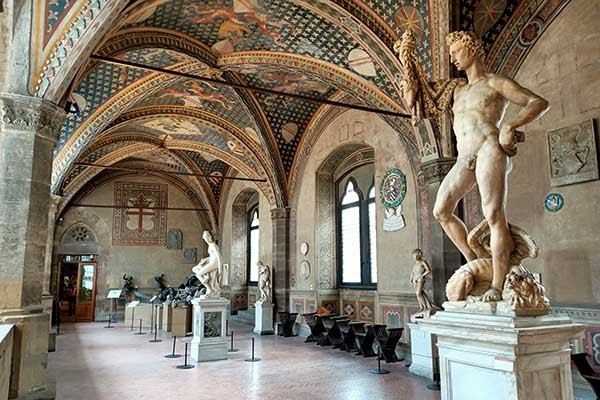
Nestled within the formidable walls of Palazzo Vecchio in Florence’s Piazza della Signoria, the Museo Nazionale del Bargello is more than simply a museum; it's an immersive journey into the heart of the Italian Renaissance. Originally conceived as the seat of Florentine magistrates – a fortress designed to project power and justice – this imposing structure has undergone a remarkable transformation over centuries, evolving into one of the world’s foremost repositories for sculpture and decorative arts. Stepping through its ancient doors is akin to entering a living testament to Florence's artistic revolution, a place where the echoes of powerful decisions mingle with the breathtaking beauty of masterpieces crafted by giants like Donatello, Michelangelo, and Cellini.
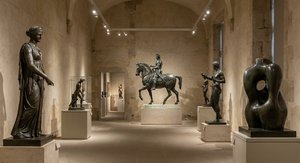
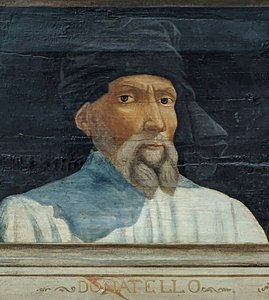
The Bargello’s fame rests entirely upon the extraordinary concentration of sculptural works housed within its walls. Unlike sprawling museums that attempt to encompass an overwhelming breadth of artistic styles, the Bargello offers a profoundly focused experience, allowing visitors to truly appreciate the nuances and innovations of a select group of artists who fundamentally reshaped Western artistic conventions. The collection’s core is undeniably dominated by Donatello – his works acting as the very cornerstone upon which the museum's identity is built. His early marble *David*, a remarkably youthful and confident figure, stands not merely as a statue but as a pivotal moment in art history: a declaration of humanism’s burgeoning influence, a bold rejection of the more rigid, idealized depictions prevalent in preceding eras. The subtle musculature, the palpable sense of potential radiating from this young David, embodies Florence's intellectual awakening with an unparalleled immediacy – a feeling that resonates even today.
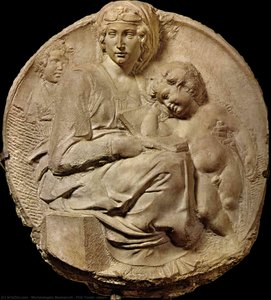
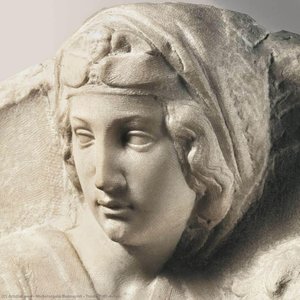
Beyond Donatello, the museum’s treasures unfold like chapters in a Renaissance narrative. Michelangelo’s early works are equally captivating, offering glimpses into the genius that would later blossom into some of history’s most celebrated sculptures. *Bacchus*, a testament to his burgeoning talent, is imbued with an intoxicating sensuality and a masterful understanding of form – a delicate balance between earthly pleasure and divine inspiration. Powerful figures like *Brutus* and another interpretation of *David-Apollo* reveal the seeds of the artistic vision that would define his legacy, showcasing the evolution of his style from youthful experimentation to monumental grandeur. Benvenuto Cellini’s artistry is represented through exquisite models and small bronze sculptures, including the famed model for his colossal statue of Perseus – a testament to the opulence and technical skill of the late Renaissance. These pieces demonstrate Cellini's mastery of detail and his ability to capture both the physical form and the psychological depth of his subjects.
The Palazzo: A Fortress Transformed
What truly distinguishes the Museo Nazionale del Bargello is not just its collection, but also the building itself – a medieval fortress reborn as a museum. Originally conceived as the seat of Florentine magistrates, the Palazzo del Bargello’s history is inextricably linked to the city's political and legal landscape. Its imposing structure—a testament to Roman engineering principles adapted with masterful medieval craftsmanship—whispers tales of power, justice, and ultimately, artistic revolution. The courtyard, once a space for public trials and executions, now houses a stunning collection of arms and armor, offering a stark reminder of the building’s original purpose while simultaneously celebrating its transformation into an artistic sanctuary. The very walls seem to hold the weight of centuries, bearing witness to the ebb and flow of Florentine history.
The Palazzo del Bargello began as a defensive structure in the 13th century, designed to protect Florence from external threats. Over time, it evolved into a symbol of civic authority, housing magistrates who administered justice and maintained order within the city. The strategic location of the building – at the heart of Florence’s political center – reflected its importance as a focal point for power and governance. The transformation from a military fortress to an artistic haven is a remarkable testament to Florence's enduring spirit of innovation and its commitment to preserving its cultural heritage.
A Tapestry of Decorative Arts
While sculpture dominates the Bargello’s collection, its artistic scope extends far beyond, offering a fascinating glimpse into the broader decorative arts landscape of Florence during the Renaissance. The palazzo’s halls are adorned with an impressive array of ceramics from the Della Robbia workshop – their vibrant glazes and gentle forms bringing a touch of serenity to the space. Bronzes, ivories, textiles, and even historical arms & armor add further layers of richness and complexity. These often-overlooked elements provide crucial context for understanding the Renaissance as a holistic cultural phenomenon—a vibrant tapestry woven from threads of art, craftsmanship, and social aspiration. The collection speaks not just to artistic skill but also to the economic prosperity and patronage that fueled this remarkable era.
The Della Robbia family’s ceramics are particularly noteworthy, showcasing their mastery of glazed terracotta – a technique that allowed them to create incredibly lifelike figures and decorative panels. These works exemplify the Renaissance emphasis on naturalism and beauty, reflecting Florence's burgeoning artistic sensibilities. The collection also includes exquisite examples of Florentine textiles, demonstrating the city’s reputation for producing luxurious fabrics renowned throughout Europe. The integration of these diverse materials—from precious metals to vibrant ceramics—creates a rich and immersive experience for visitors, offering a glimpse into the sophisticated tastes and material culture of Renaissance Florence.
Architectural Significance & Accessibility
The Museo Nazionale del Bargello is more than simply a museum; it’s an architectural marvel. Palazzo Vecchio, originally built as a fortress in the 13th century, has been meticulously transformed over centuries into a space that honors both its military origins and its artistic legacy. The building's design reflects Florentine history—a testament to Roman engineering principles adapted with masterful medieval craftsmanship. The museum is committed to accessibility for all visitors, offering facilities for disabled access, including ramps, elevators, and accessible restrooms. Guided tours are available, providing invaluable insights into the collection’s highlights and the palazzo’s rich history. Special attention has been given to creating a welcoming environment for visually impaired visitors, with tactile path diagrams and dedicated assistance.
The museum's commitment to accessibility underscores its desire to share its treasures with a broad audience. The carefully designed spaces ensure that visitors of all abilities can fully appreciate the beauty and significance of the collection. Furthermore, the availability of guided tours and educational programs provides valuable context for understanding the historical and artistic complexities of the works on display.
Notable Exhibitions & Ongoing Treasures
The Museo Nazionale del Bargello regularly hosts temporary exhibitions that delve deeper into specific aspects of its collection or explore connections between Renaissance art and other historical periods. These events offer fresh perspectives on the museum’s treasures, attracting both seasoned scholars and casual visitors alike. Beyond these temporary displays, the permanent collection remains a constant source of wonder, with each sculpture – from Donatello's youthful *David* to Michelangelo’s sensual *Bacchus* – inviting contemplation and offering a profound connection to the artistic genius of the Italian Renaissance. The museum continues to be a vital center for research and scholarship, ensuring that Florence’s artistic heritage will endure for generations to come.