
A Legacy Forged in Passion and Taste: Museo Thyssen-Bornemisza
Nestled within the vibrant heart of Madrid, a stone’s throw from the illustrious Prado and the revolutionary Reina Sofía museums, lies the Museo Nacional Thyssen-Bornemisza – a treasure trove not merely of art, but of a singular vision. This museum isn't simply a repository for masterpieces; it’s a meticulously crafted narrative spanning five centuries of European artistic evolution, born from the discerning eye and boundless passion of Baron Heinrich Thyssen-Bornemisza and his family. The story begins with a private obsession, blossoming into one of Europe’s most significant art holdings, offering visitors an unparalleled journey through the threads connecting artistic movements and individual genius – a testament to a legacy built on both collecting and profound appreciation.
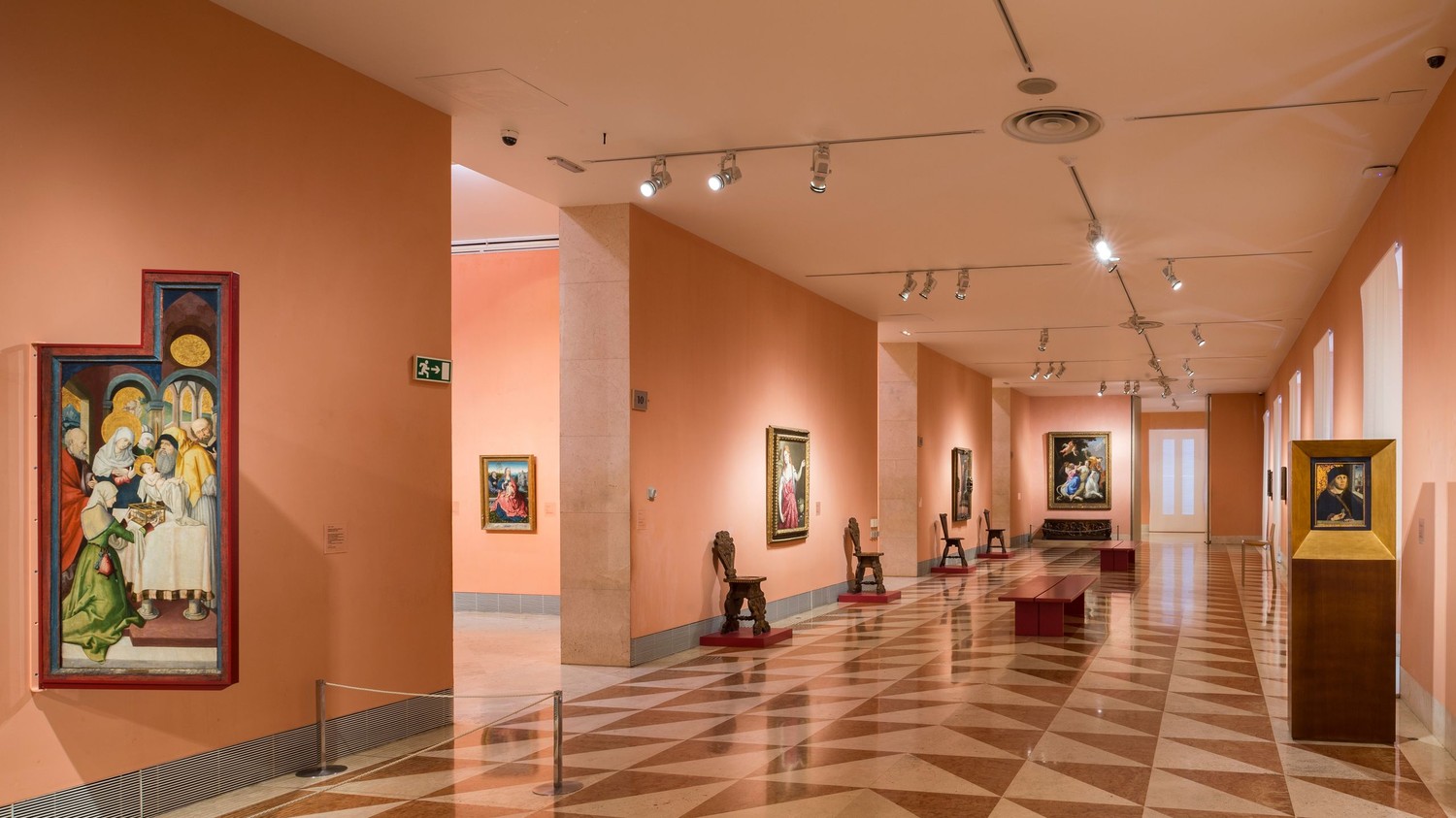
The building itself, designed by the esteemed architect Lacasse, is a surprisingly modern structure, constructed in the 1980s to accommodate the Baron’s burgeoning collection. Yet, it seamlessly integrates storage areas and circulation routes, ensuring that the artworks themselves remain the undeniable stars of the show. The layout mirrors a chronological progression, guiding visitors through a rich and engaging narrative – a deliberate choice reflecting the Baron's belief in art as a living document, a window into the soul of each era. The interior walls, painted in a distinctive salmon pink hue selected by Baroness Francesca Thyssen-Bornemisza, create an unexpectedly intimate atmosphere within this grand space, adding a layer of warmth and personal touch.
A Golden Triangle Gem: Connecting Artistic Narratives
The Thyssen-Bornemisza plays a vital role in Madrid’s celebrated “Golden Triangle of Art,” alongside the Prado and Reina Sofía. Each museum contributes unique perspectives to the broader tapestry of European artistic achievement, but unlike many institutions focused on specific periods or movements, the Thyssen's holdings offer an astonishingly cohesive narrative. The Baron’s initial fascination with Italian Renaissance painting evolved into a passion encompassing virtually every major style and movement – creating an encyclopedic collection that reveals the evolution of technique, subject matter, and aesthetic ideals over time. This breadth is what truly distinguishes the museum; it’s not just a large collection—it's a carefully considered sequence of artistic developments, meticulously curated to illuminate the connections between artists and their influences.
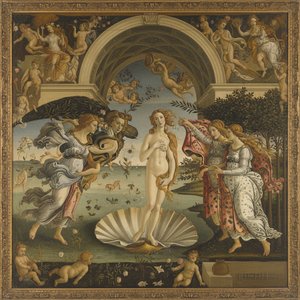
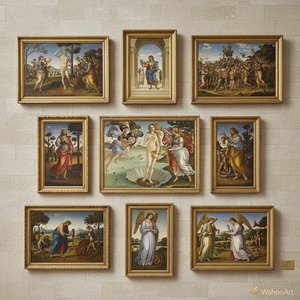
From Botticelli’s ethereal “Birth of Venus” – a delicate dance of color and form that captures the Renaissance spirit – to Caravaggio’s dramatic religious scenes brimming with intense emotion, the museum showcases an extraordinary range of artistic expression. The collection isn't simply about individual masterpieces; it’s about understanding how artists responded to one another, drew inspiration from their predecessors, and built upon the traditions of their time. The inclusion of lesser-known masters alongside internationally renowned figures provides crucial context for appreciating the broader cultural landscape of each era – revealing the hidden stories behind the celebrated works.
Chronological Journey Through European Art
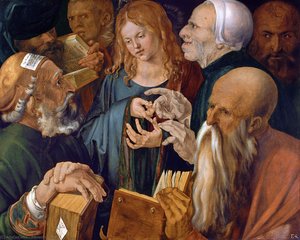
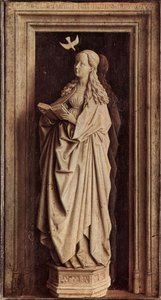
The museum’s collection is organized chronologically, allowing visitors to witness firsthand the stylistic shifts and influences that shaped European art. The journey begins with early Renaissance masterpieces – including Jan van Eyck's meticulous detail and Rogier van der Weyden’s masterful compositions – progressing through the High Renaissance, Mannerism, Baroque, Rococo, Neoclassicism, Romanticism, Impressionism, Post-Impressionism, and ultimately reaching into the 20th century. Each section offers a carefully curated selection of paintings that illustrate key developments in technique, subject matter, and artistic philosophy – providing a comprehensive overview of Western art history.
Notable works abound throughout the museum. “Christ and the Samaritan” by Duccio di Buoninsegna, a breathtaking 14th-century tempera panel, exemplifies the spiritual fervor of its time. The Baroque collection features dramatic compositions by Caravaggio, while the Impressionist gallery boasts Monet’s luminous landscapes and Renoir's vibrant portraits. Don’t miss “Self Portrait as a Lutenist” by Jan Steen – a delightful Baroque depiction capturing both artistic ambition and human humor. The museum also houses significant works from the Dutch Masters, showcasing their mastery of light and color, and important examples of 20th-century art, including pieces by Picasso and Kandinsky.
Beyond the Paintings: A Museum of Stories
The Thyssen-Bornemisza is more than just a collection of paintings; it’s an immersive experience shaped by the remarkable story of its founder, Hans Heinrich Thyssen-Bornemisza. His dedication to preserving and sharing this extraordinary legacy is evident in every gallery. The museum benefits from a unique arrangement with his sister, Carmen Cervera, whose private collection has been loaned to the museum for decades, adding further layers of artistic richness and depth. Baroness Francesca’s influence extends beyond the collection itself; she actively shapes the museum's programming and exhibitions, ensuring that it remains a dynamic and engaging cultural hub.
Don’t miss the opportunity to explore temporary exhibitions that illuminate specific themes or artists within the broader collection – these events offer fresh perspectives on familiar works and introduce visitors to lesser-known masterpieces. The museum also frequently hosts lectures, workshops, and family activities, making it a vibrant destination for art enthusiasts of all ages. A visit to the Thyssen-Bornemisza is not merely an observation of art; it’s an engagement with history, emotion, and the enduring power of human creativity.