


A Sanctuary of Art on The Mound: Unveiling the Scottish National Gallery
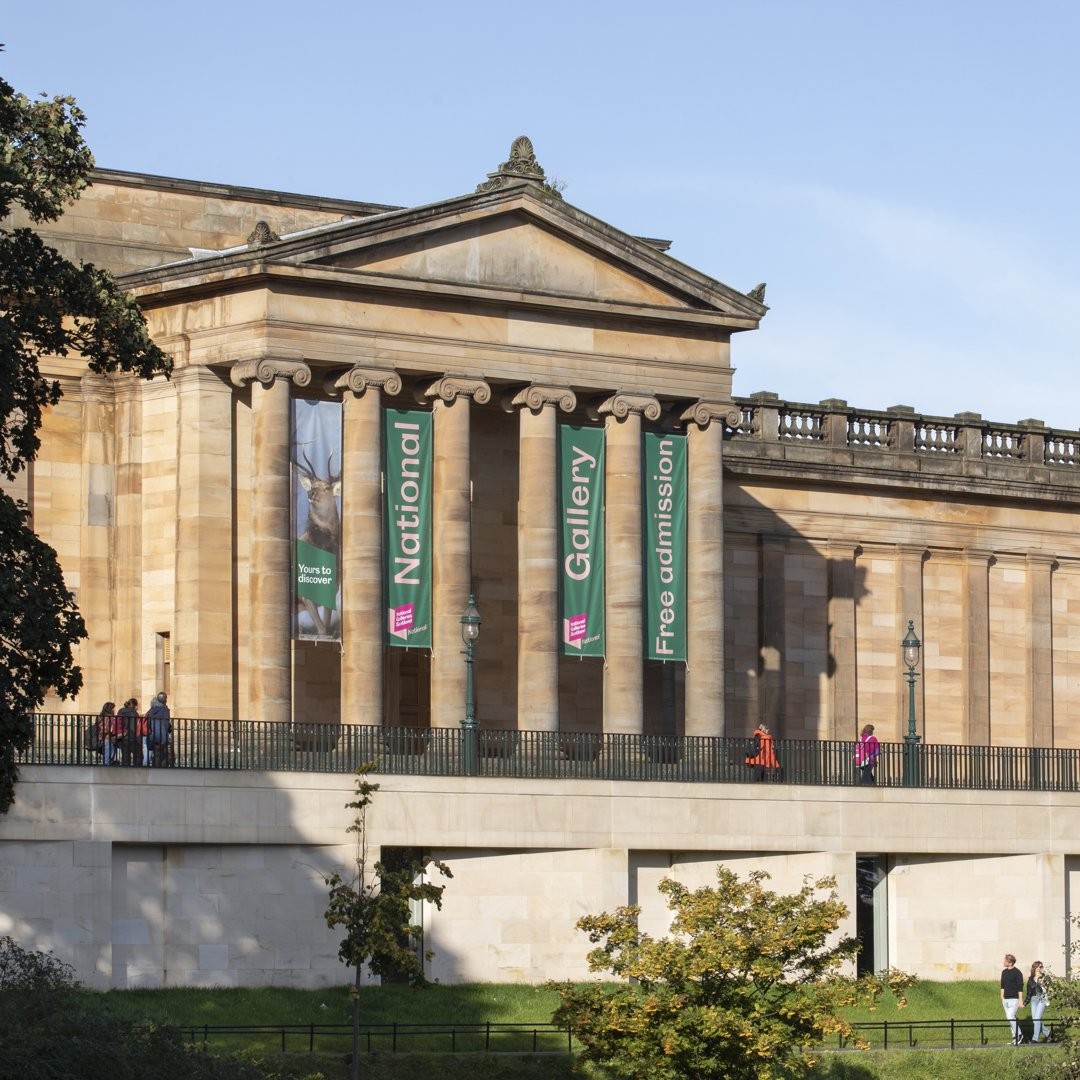
Nestled within the very heart of Edinburgh, upon the historic Mound, stands the Scottish National Gallery – a beacon not merely for art enthusiasts but as a profound testament to Scotland’s enduring cultural heritage. More than simply a repository of masterpieces, it is an immersive journey through centuries of artistic expression, from the groundbreaking innovations of the Renaissance to the emotive power of early 20th-century painting. The gallery's very presence speaks volumes; its magnificent neoclassical facade, designed by William Henry Playfair and completed in 1859, isn’t merely a building but an integral part of the artistic experience, offering a grand stage for the treasures within. Stepping through its doors is akin to entering another world—a realm where brushstrokes whisper stories of bygone eras and vibrant colors ignite the imagination. The story of this institution is inextricably interwoven with the very fabric of Scottish art itself, originating in 1819 with the Royal Institution for the Encouragement of the Fine Arts, a seed that blossomed into the national collection we know today. The initial ambition to foster artistic growth evolved alongside the formation of the Royal Scottish Academy, eventually culminating in Playfair’s architectural vision—a temple dedicated to beauty and inspiration.
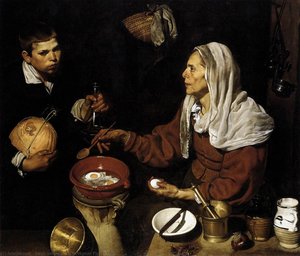
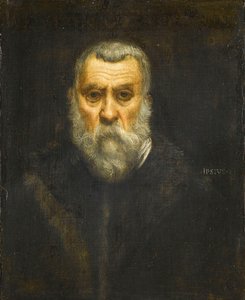
The heart of the National Gallery beats with a remarkably diverse yet profoundly unified collection. Visitors are immediately captivated by its exceptional holdings of Italian and Flemish masters – a testament to Scotland's long-standing engagement with European artistic traditions. Here, one can lose themselves in the ethereal beauty of Raphael’s works, marveling at his mastery of form and composition, or stand before canvases by Rembrandt, drawn into the dramatic interplay of light and shadow that defines his style. These aren’t simply paintings; they are windows into different worlds, reflections of human emotion, and testaments to artistic skill honed over generations. But the gallery is not solely defined by its international acclaim. A significant portion of its holdings are dedicated to Scottish art, charting the nation's unique visual identity through centuries of creativity. From early portraiture that captures the spirit of a burgeoning nation – often depicting clan chiefs and noble families in richly detailed attire – to landscapes that evoke the rugged beauty of the Scottish Highlands, these works offer a profound insight into the country’s soul—a land of dramatic skies, ancient castles, and enduring traditions. Artists like William McTaggart and Anne Redpath stand as pillars of this national narrative, their canvases imbued with a distinctly Scottish sensibility, capturing the wildness and beauty of their homeland.
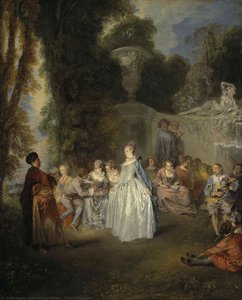
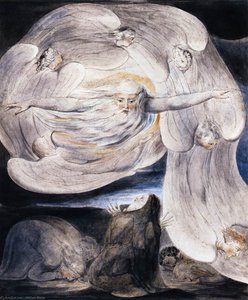
The gallery's collection spans from the 14th century to the early 20th, encompassing a vast range of artistic styles and movements. Key highlights include works by Leonardo da Vinci, Michelangelo, Titian, Rubens, Rembrandt, Van Gogh, Monet, and many more – a veritable who’s who of Western art history. Notably, the Scottish section showcases the evolution of Scottish painting, from the formal portraiture of the Renaissance to the vibrant landscapes and evocative social scenes of the 19th and 20th centuries. The gallery's commitment to preserving and exhibiting this rich heritage ensures that future generations will continue to be inspired by Scotland’s artistic legacy. The building itself, a masterpiece of neoclassical architecture designed by William Henry Playfair, is more than just a container for art; it’s an integral part of the experience, its soaring columns and symmetrical proportions creating a sense of grandeur and reverence.
A remarkable addition in 2004, the Weston Link seamlessly connects the National Gallery with the adjacent Royal Scottish Academy Building, creating a continuous, immersive experience for visitors. This architectural dialogue further enhances the gallery’s sense of grandeur and accessibility. The gallery regularly hosts temporary exhibitions that complement its permanent collection, offering fresh perspectives on established artists and introducing audiences to emerging talents. Recent exhibitions, like those focusing on contemporary photography and its role in social commentary, demonstrate this commitment to relevance and innovation. Furthermore, the gallery's dedication to accessibility is evident in its free admission policy, ensuring that everyone—from seasoned art collectors to curious newcomers—can experience the transformative power of art without financial barriers. The National Gallery also hosts a range of events throughout the year, including artist talks, workshops, and family activities, making it a vibrant cultural hub for all ages.
Architecture as Art: A Neoclassical Masterpiece
The building itself is a work of art, embodying the grandeur and elegance of neoclassical architecture. Playfair’s design draws inspiration from ancient Greek temples, featuring imposing columns, symmetrical proportions, and meticulously crafted details. The interior spaces are equally impressive, with soaring ceilings, ornate plasterwork, and strategically placed skylights that bathe the artworks in natural light. Walking through these halls is a sensory experience—a harmonious blend of architectural beauty and artistic brilliance. It’s a space designed to elevate the art it contains, creating an atmosphere of reverence and contemplation. The careful consideration given to every detail, from the placement of sculptures to the flow of light, underscores the belief that architecture can be as expressive as any painting or sculpture. The 2004 addition of the Weston Link, connecting the National Gallery with the Royal Scottish Academy, further enhanced this architectural dialogue, creating a seamless and immersive experience for visitors.