
Nasjonalgalleriet: A Legacy Etched in Light
Nasjonalgalleriet stands as Norway’s premier repository of artistic expression, a beacon illuminating the nation’s cultural identity and its place within the broader European landscape. Though now integrated into the new National Museum on Oslo’s vibrant harbor front, the legacy of the Nasjonalgalleriet continues to resonate deeply, shaping our understanding of Norwegian art from the 19th and 20th centuries while simultaneously showcasing a remarkable collection of international masterpieces.
Founded in 1842, initially within the confines of the Royal Palace itself, the museum quickly outgrew its original space, necessitating the construction of a dedicated building designed by Heinrich Ernst and Adolf Schirmer in 1882. This structure, for over a century, served not merely as a container for art but as a cultural landmark, a symbol of Norway’s growing artistic maturity. The very stones seemed to absorb the emotions captured within its walls, becoming silent witnesses to generations of artistic exploration.
The Heart of Norwegian Expression: Munch and Beyond
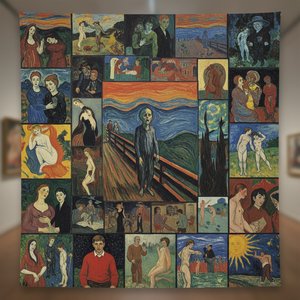
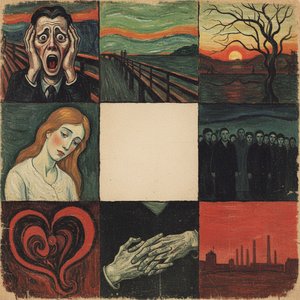
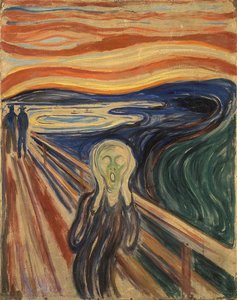
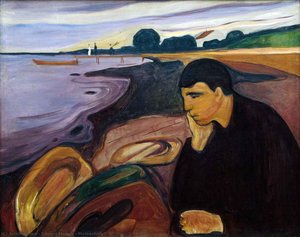
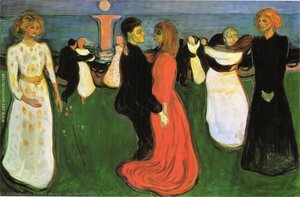
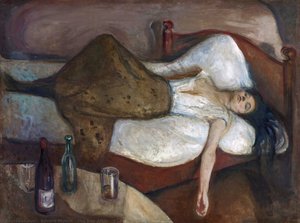
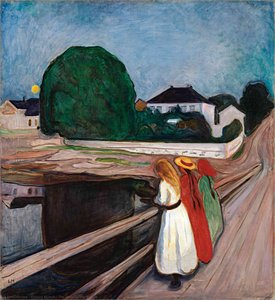
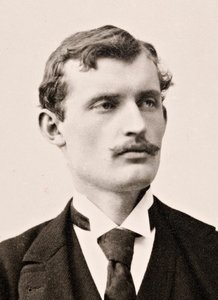
At the very core of the Nasjonalgalleriet's identity lies its unparalleled collection of works by Edvard Munch. To stand before multiple versions of *The Scream*, perhaps the most iconic image in modern art, is to confront a raw, visceral expression of existential angst that continues to captivate and disturb audiences worldwide. It’s not simply an image; it’s a primal cry echoing through the corridors of the human psyche.
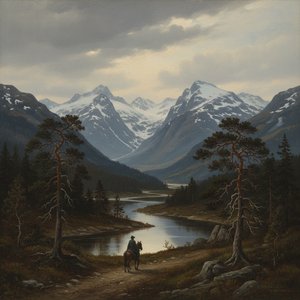
But Munch’s presence extends far beyond this single masterpiece; the museum's holdings offer invaluable insights into his artistic development, revealing the nuances of his technique and the evolution of his emotional depth. Beyond Munch, however, lies a rich tapestry of Norwegian artistry. The gallery championed masters like Johan Christian Dahl, whose romantic landscapes captured the sublime beauty of the Norwegian wilderness, imbuing them with a sense of awe and reverence for nature’s power.
A Dialogue with Europe: International Visions
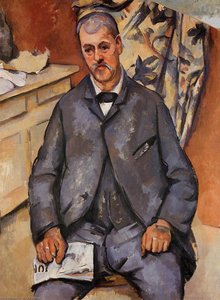
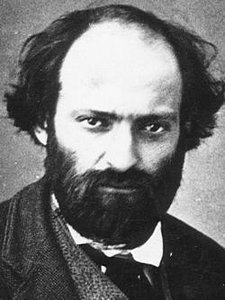
The Nasjonalgalleriet was never solely focused on domestic talent. Recognizing the importance of engaging with international trends, the museum assembled a diverse collection of European paintings spanning centuries. From the spiritual intensity of El Greco and the meticulous detail of Lucas Cranach the Elder to the revolutionary visions of Claude Monet, Paul Cézanne, and Pablo Picasso, the gallery fostered a dialogue between Norwegian artists and their counterparts across the continent.
This interplay of influences is crucial to understanding the development of Norwegian art; it wasn’t created in isolation but rather within a dynamic network of artistic exchange. Consider the delicate brushwork of Manet's *Madame Manet in the Conservatory*, a testament to Impressionism’s fleeting moments and subtle light, or the profound emotional weight of Delacroix’s *Pietà*. These works weren’t merely displayed; they were presented as partners in conversation with the Norwegian masters, enriching the visitor’s understanding of both.
Echoes of Antiquity: The Paus Collection
What truly sets the Nasjonalgalleriet apart is not only its breadth but also its depth—particularly in the form of the Paus Collection. This remarkable assemblage, one of the largest collections from classical antiquity in Northern Europe, provides a fascinating glimpse into the artistic traditions that predated and influenced the works on display.
Imagine encountering ancient Greek vases alongside Munch’s paintings – a tangible connection to the roots of Western art. The presence of these ancient artifacts underscores the enduring power of art to transcend time and connect us to civilizations past. It’s a testament to the museum’s commitment to providing context and fostering a deeper appreciation for the historical roots of artistic expression, reminding us that every artist builds upon the foundations laid by those who came before.
A New Chapter: The National Museum
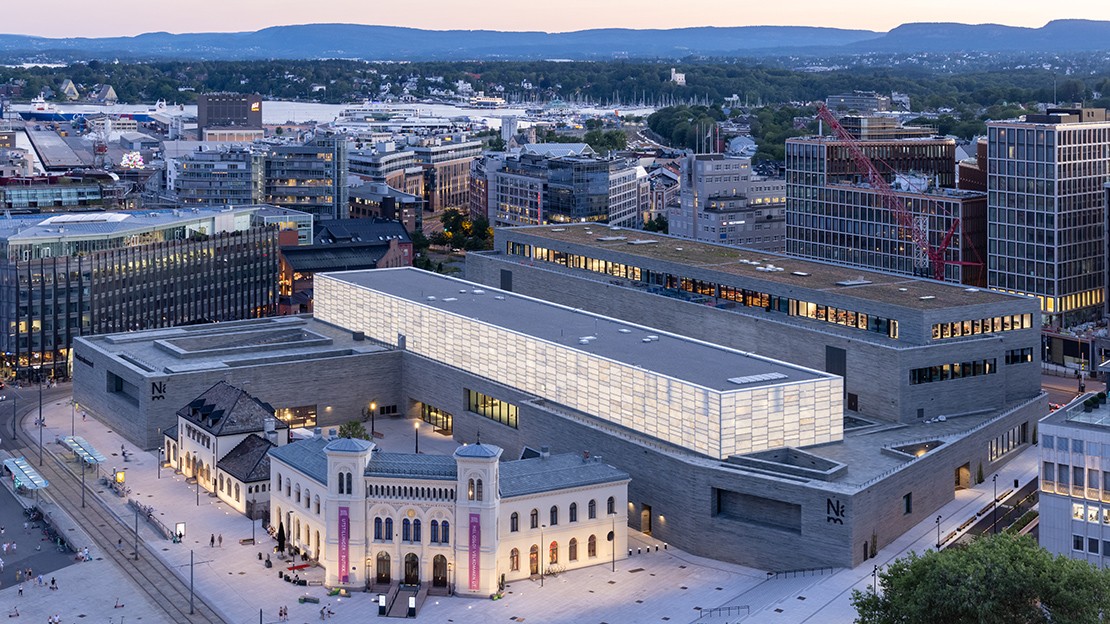
While the original Nasjonalgalleriet building no longer functions as a dedicated gallery, its spirit lives on within the walls of the new National Museum. This state-of-the-art facility, opened in June 2022, represents a bold step forward for Norway’s cultural landscape, bringing together all aspects of art, architecture, and design under one roof.
Visitors seeking to experience the treasures once housed at Nasjonalgalleriet will find them beautifully displayed within this new context, alongside an expanded collection and innovative exhibitions. The legacy of the Nasjonalgalleriet—its dedication to preserving Norway’s artistic heritage and fostering a dialogue with the world—continues to inspire and enrich the cultural life of Oslo and beyond.