A Legacy Etched in Stone and Canvas: Exploring the Kunstmuseum Basel
Nestled within the vibrant heart of Basel – a city where the Rhine’s currents converge with the legacies of Switzerland, Germany, and France – lies the Kunstmuseum Basel, an institution far exceeding the simple confines of a museum. It's a living chronicle of artistic evolution, a testament to over four centuries dedicated to collecting, scholarship, and a profound appreciation for the power of visual expression. Stepping through its doors is akin to embarking on a captivating journey through time, tracing the lineage of European painting, sculpture, and beyond – from the delicate precision of Renaissance masters to the bold declarations of modernism. The museum’s origins are particularly remarkable; it holds the distinction of being the world's first public art collection, established in 1661 with a revolutionary decision: to open the Amerbach Cabinet to all citizens, thereby laying the foundation for an accessible and deeply ingrained civic engagement with art that continues to define its identity today.
Architectural Echoes: A Dialogue Between Eras
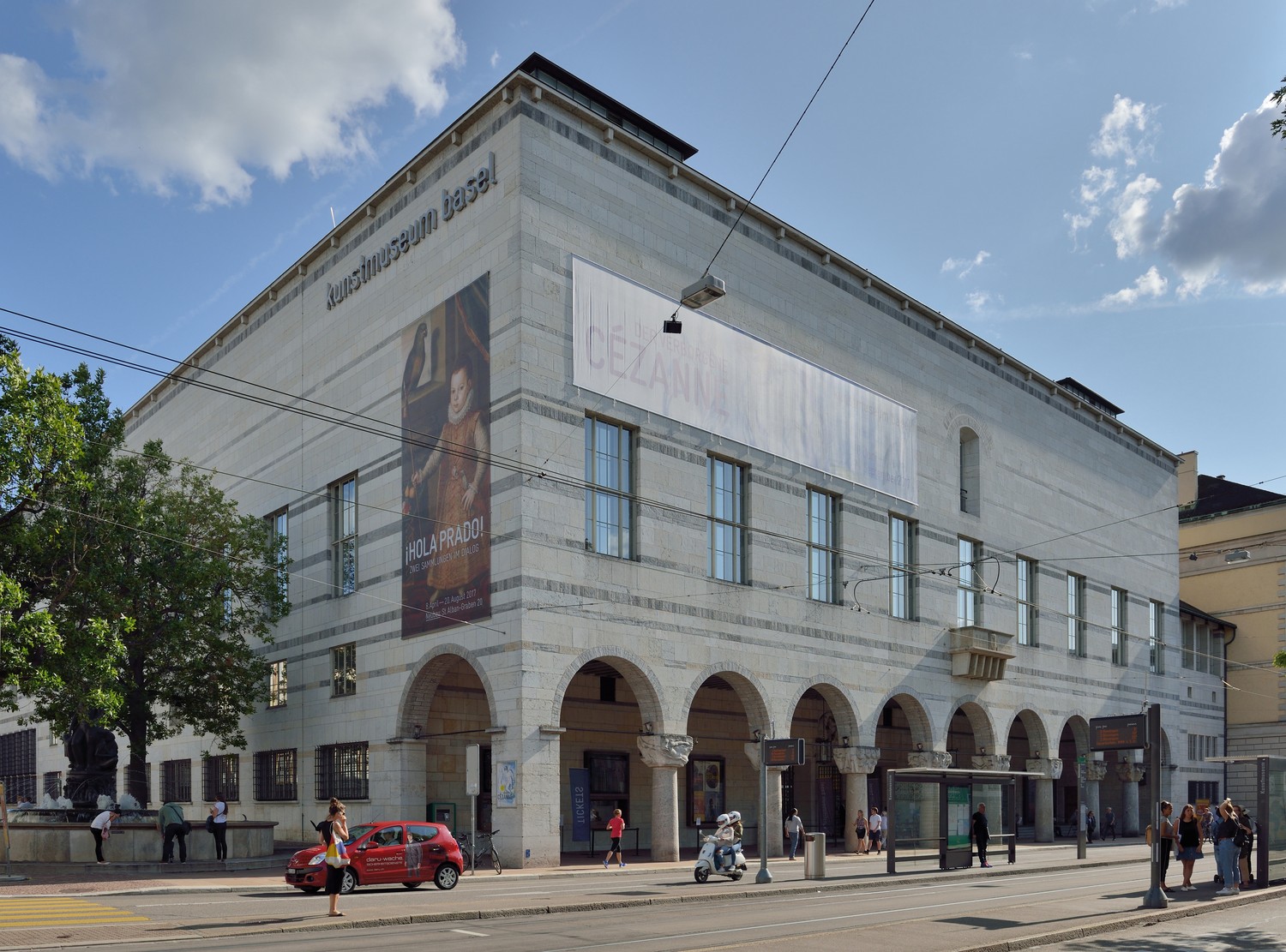
The Kunstmuseum Basel isn’t merely housed within walls; it *is* a dialogue between eras, meticulously orchestrated through its unique architectural design. The Hauptgebäude, erected in 1905 by the esteemed Johann Jakob Stehlin the Younger, immediately establishes a sense of grandeur – a neo-Renaissance monument reflecting Basel's aspirations for cultural prominence during the Belle Époque. This building serves as a stately anchor, housing an impressive array of works spanning from the medieval period through the 19th century, offering a rich panorama of artistic development. Juxtaposed against this classic elegance is the Neubau, inaugurated in 2016 by Christ & Gantenbein, a deliberate and strikingly modern counterpoint. This building isn’t simply an addition; it's a carefully considered provocation – a bold embrace of contemporary design principles that sparks a dynamic conversation between past and present artistic sensibilities. The completion of the Kuppelbauten further enriches this architectural triad, providing a luminous and expansive space dedicated to showcasing paintings from the 19th to the 21st centuries. Each building possesses its own distinct character, yet they are seamlessly integrated, creating a visitor experience that transcends chronological boundaries – a truly immersive journey through art history.
Holbein and Beyond: A Collection of Unparalleled Depth
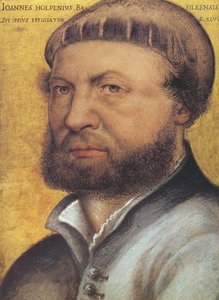
While the Kunstmuseum Basel’s collection is undeniably vast in scope, it's perhaps most profoundly celebrated for its unparalleled holdings of works by the Holbein family – Hans Baldung Grien, Matthias Grünewald, and Lucas Cranach the Elder. These artists represent the very pinnacle of Northern Renaissance artistry, their paintings imbued with a remarkable level of realism and a profound understanding of human psychology. Their meticulous attention to detail, combined with an ability to capture emotion and narrative, makes them cornerstones of the museum’s collection. However, to limit the Kunstmuseum Basel's appreciation solely to the Holbeins would be to overlook its astonishing diversity. The galleries overflow with masterpieces from across Europe: Konrad Witz’s early Netherlandish altarpieces, brimming with intricate symbolism; the dramatic and emotionally charged canvases of Peter Paul Rubens, showcasing his mastery of color and composition; the introspective portraits of Rembrandt, revealing a deep understanding of human character; and the vibrant landscapes of Jan Brueghel the Elder, capturing the beauty and drama of rural life. The museum’s commitment to representing artistic innovation extends into the 20th and 21st centuries, with significant works by Picasso, Braque, Fernand Léger, Paul Klee, Alberto Giacometti, and Marc Chagall – a testament to its dedication to showcasing groundbreaking advancements in modern art.
A Living Institution: Exhibitions and Ongoing Scholarship
The Kunstmuseum Basel isn’t simply a static display of historical artifacts; it thrives as a vibrant and actively engaged institution. Its exhibition program is consistently innovative, thoughtfully curated to both celebrate established artists and explore pressing contemporary cultural issues. Recent exhibitions have delved into the complexities of abstraction, the enduring power of portraiture, and the fascinating intersection of art and social activism – demonstrating a commitment to fostering dialogue and critical engagement with the artistic world. Beyond its public-facing activities, the museum serves as a vital hub for scholarly research, supported by a dedicated team of curators and conservators who tirelessly work to expand our collective understanding of art history through meticulous analysis and ongoing investigation. The Collection Online initiative further democratizes access to the museum’s holdings, providing high-quality images and detailed information about thousands of works – making them available to researchers, enthusiasts, and anyone with a passion for art worldwide.
The Enduring Spirit of Basel: A Cultural Beacon
Ultimately, what truly distinguishes the Kunstmuseum Basel is its enduring spirit – a steadfast commitment to artistic excellence nurtured over four centuries. It’s more than just a museum; it's a place where history comes vividly to life, where masterpieces resonate with contemporary relevance, and where visitors are warmly invited to embark on a personal journey of discovery. The Kunstmuseum Basel stands as a proud testament to Basel’s role as a dynamic cultural crossroads – a city that has consistently embraced innovation, championed the transformative power of art, and left an indelible legacy for generations to come.