

A Sanctuary of Layers: Unveiling the Secrets of Santa Maria sopra Minerva
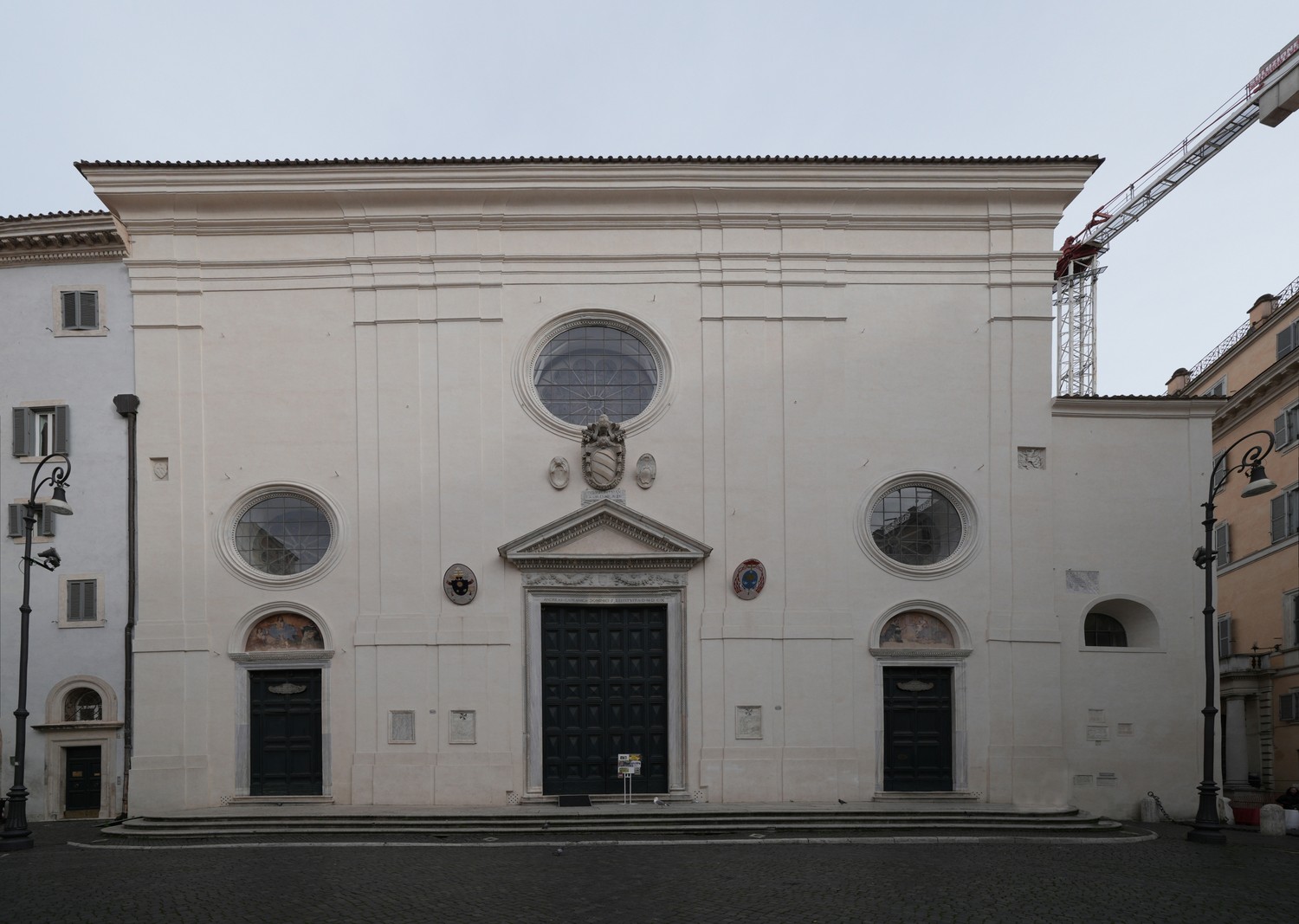
Nestled within the vibrant heart of Rome’s Pigna rione, a mere stone's throw from the iconic Pantheon and the bustling Piazza della Minerva, lies Santa Maria sopra Minerva – a church that defies simple categorization. It isn’t merely a place of worship; it’s a palimpsest, an extraordinary layered testament to millennia of Roman history, pagan rituals, Christian devotion, and, above all, artistic genius. This often-overlooked minor basilica offers an unparalleled journey through time, revealing the city's complex past beneath a surprisingly Gothic façade – a space where echoes of ancient empires resonate alongside the solemn beauty of Renaissance masterpieces.
The church’s origins are inextricably linked to Rome’s foundational layers. Beneath its present structure lie the haunting remnants of three temples: a temple dedicated to the revered goddess Minerva, a sacred space honoring Isis, and a shrine devoted to Serapis – vestiges of a thriving pagan landscape that flourished long before Christianity took root. The very name “Santa Maria sopra Minerva” – ‘Holy Mary above Minerva’ – is a deliberate declaration, acknowledging the church's construction directly upon the foundations of this Greco-Roman deity. This strategic juxtaposition of faiths, a characteristic deeply ingrained in Roman religious practice, immediately establishes Santa Maria sopra Minerva as a unique and compelling site.
The architectural evolution of the basilica is equally fascinating. While many churches throughout Rome underwent dramatic transformations during the Baroque era, Santa Maria sopra Minerva stubbornly retained its original Gothic design – a remarkable feat of preservation that offers an incredibly rare glimpse into the grandeur and spiritual atmosphere of the 13th century. Constructed beginning in 1280, it mirrored the ambitious style of Florence’s Santa Maria Novella, showcasing the Dominican Order's determination to create a space worthy of comparison with the soaring cathedrals of Northern Europe within the heart of Rome. The soaring arches, intricate ribbed vaults, and meticulously detailed stonework speak volumes about the skill and dedication of its builders.
The Masterpiece Within: Michelangelo’s Risen Christ
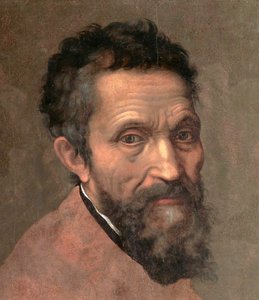
However, it is perhaps the church's most celebrated treasure – Michelangelo’s “Risen Christ” (Cristo della Minerva) – that draws visitors from across the globe. Completed in 1521, this monumental marble sculpture stands proudly to the left of the main altar, a beacon of Renaissance artistry and spiritual power. The statue’s genesis is shrouded in an intriguing anecdote; commissioned by Metello Vari, Michelangelo initially received complete freedom, but abandoned his first attempt after discovering a flaw in the stone – a subtle, yet significant black vein that disrupted the purity of the white marble. This imperfection, rather than being a hindrance, ultimately led to the creation of a more dynamic and emotionally resonant figure – a testament to Michelangelo’s unparalleled skill and sensitivity.
Michelangelo's “Risen Christ” is not simply a depiction of resurrection; it’s a profound meditation on human suffering and divine grace. The figure, masterfully rendered in the contrapposto pose – weight shifted onto one leg – exudes both vulnerability and strength. The exposed musculature, the subtle curve of his spine, and the poignant expression etched upon his face all contribute to the sculpture's overwhelming sense of realism and emotional depth. Adding another layer of intrigue is the bronze loincloth, a later addition in 1546 intended to conceal the figure’s nudity; ironically, this intervention only served to heighten its impact, emphasizing the stark contrast between earthly vulnerability and divine transcendence.
A Treasury of Faith and Art
Beyond Michelangelo’s masterpiece, Santa Maria sopra Minerva houses a wealth of artistic treasures. The church's interior is adorned with stunning frescoes by Melozzo da Forlì, depicting scenes from the life of Saint Catherine of Siena – a 14th-century Italian mystic and Doctor of the Church. Her tomb, located within the basilica, draws pilgrims from around the world seeking solace and inspiration. The walls are also lined with exquisite stained glass windows, bathing the space in vibrant colors and intricate designs that seem to shift and change with the light.
The crypt beneath the church holds further historical significance, containing the remains of numerous prominent figures throughout Roman history – emperors, popes, artists, and even ordinary citizens. It’s a tangible link to the city's past, offering a poignant glimpse into the lives and legacies of those who shaped Rome’s destiny. The presence of these relics imbues the space with an almost palpable sense of continuity, connecting the present to centuries of Roman history.
A Unique Architectural Gem
What truly distinguishes Santa Maria sopra Minerva is its remarkable preservation of Gothic architecture within the heart of Rome. Unlike many other churches that underwent extensive renovations during the Baroque period, this basilica retains its original design, offering a rare and precious opportunity to experience the grandeur and spiritual atmosphere of the 13th-century Gothic style. The interplay between the soaring arches, intricate ribbed vaults, and meticulously detailed stonework creates a space that is both awe-inspiring and deeply moving – a testament to the enduring power of architectural vision.
Furthermore, the church’s location – directly above the ruins of ancient temples – adds another layer of intrigue to its history and significance. It's a place where past and present converge, offering visitors a unique perspective on Rome’s complex and layered heritage. A visit to Santa Maria sopra Minerva is not merely a sightseeing excursion; it’s an immersive journey through time, a chance to connect with the city’s ancient roots and appreciate the enduring power of art and faith.