
The Scrovegni Chapel: A Revelation of Early Renaissance Vision
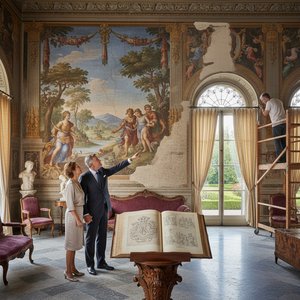
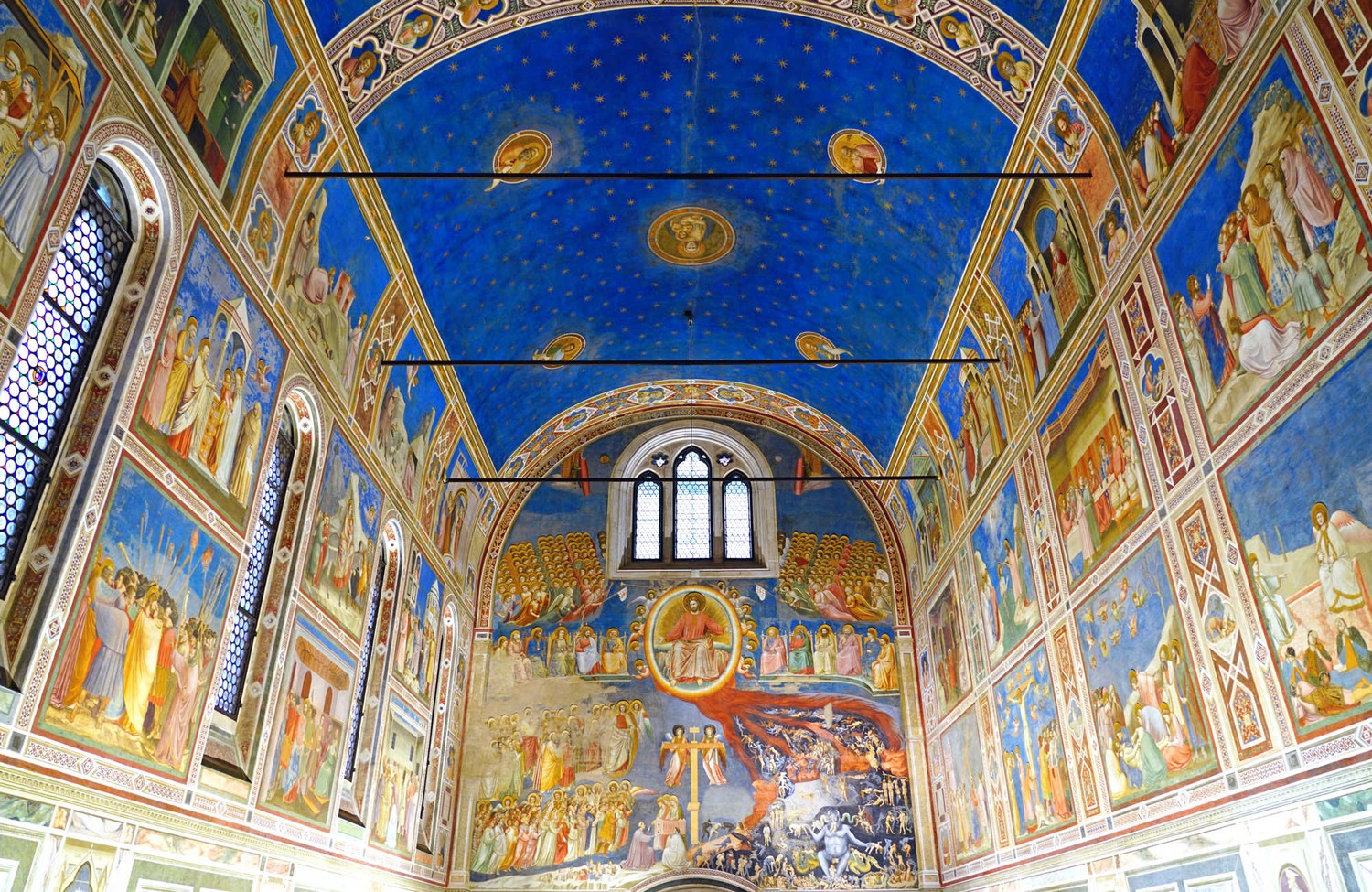
Nestled within the heart of Padua, a city steeped in artistic heritage, lies the Cappella degli Scrovegni – a space that transcends its modest exterior and unfolds into an extraordinary testament to human creativity. More than just a church, it’s a profound visual narrative, a revolutionary leap forward in Western art history, meticulously crafted by the genius of Giotto di Bondone around 1305. Stepping inside is akin to entering a sacred realm, where time seems to subtly shift and the very air vibrates with the echoes of a bygone era – an experience that continues to captivate and inspire centuries later.
The chapel’s story begins with Enrico Scrovegni, a wealthy banker driven by a deep-seated piety and a desire to honor his family lineage. He envisioned not merely a place for worship, but a monumental artistic statement, a visual embodiment of faith that would resonate through generations. His choice of Giotto was nothing short of transformative; the Florentine artist, already challenging the established conventions of medieval painting with his innovative style, possessed the perfect vision to realize Enrico’s ambitious dream. The resulting frescoes are not simply decorations; they represent a fundamental shift in artistic perspective – a move towards realism, emotional depth, and an unprecedented engagement with the human condition.
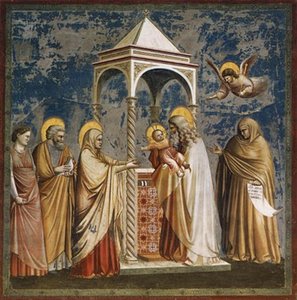
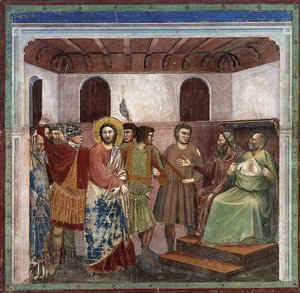
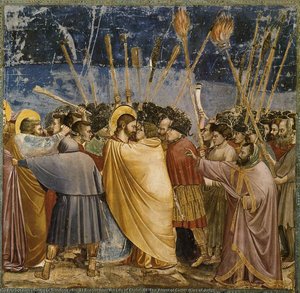
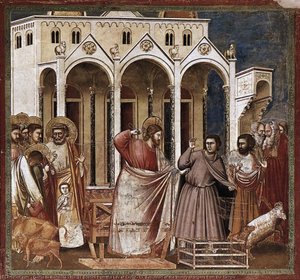
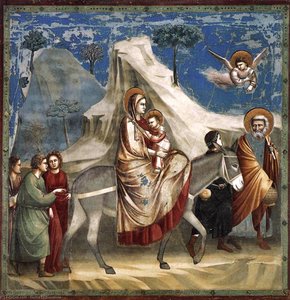
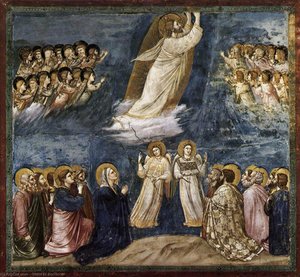
The heart of the chapel's allure lies within its vast cycle of paintings, depicting scenes from the life of Christ and the Virgin Mary. Giotto’s genius is immediately apparent in his masterful use of perspective – a technique previously rare in Western art. He creates an illusion of depth that draws the viewer into the scene, employing subtle variations in color and tone to suggest distance and atmosphere. But it's not just the technical brilliance that sets Giotto apart; it’s the profound emotionality he imbues his figures with. Faces are no longer stylized masks but convey a spectrum of human emotions – joy, sorrow, fear, and reverence – capturing moments of intense drama and spiritual contemplation. The “Last Judgment,” dominating the chapel's rear wall, is particularly arresting, a swirling vortex of angels, demons, and humanity caught in the throes of divine reckoning.
A Masterpiece of Romanesque Architecture
The Cappella degli Scrovegni isn’t merely defined by its frescoes; it’s also a remarkable example of Romanesque architecture. Designed by Arnolfo di Cambio, the chapel's structure is deceptively simple yet profoundly elegant. The sturdy walls and soaring arches create a sense of solemn grandeur, providing the perfect framework for Giotto’s vibrant narratives. The interior space is bathed in diffused light, enhancing the impact of the frescoes and creating an atmosphere of contemplative serenity. Notice the careful attention to detail – the sculpted figures adorning the altar, the intricate stonework, and the overall harmonious proportions all contribute to the chapel's enduring beauty.
A Legacy of Patronage and Preservation
Enrico Scrovegni’s commitment extended far beyond simply commissioning the artwork. He was a meticulous patron, overseeing every aspect of the project with unwavering dedication. Remarkably, he stipulated that the chapel remain closed to the public until the frescoes were completed – a testament to his profound reverence for the artistic endeavor and his desire to ensure its absolute perfection. Following Enrico’s death in 1352, the chapel remained within the Scrovegni family, serving as their private oratory and burial place. It wasn't until the early 20th century that the chapel was finally opened to the public, becoming a cherished treasure of Italian art and culture – a testament to the enduring power of patronage and foresight.
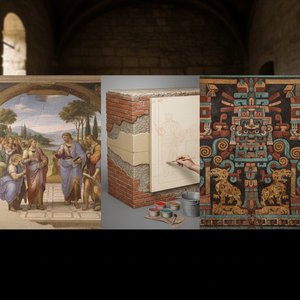
The preservation of these extraordinary frescoes has been an ongoing challenge, requiring continuous scientific research and meticulous conservation efforts. The pigments used by Giotto are remarkably stable, but exposure to light and humidity can gradually cause them to fade or deteriorate. Modern techniques – ultraviolet monitoring, digital imaging, and sophisticated restoration methods – are employed to assess the condition of the frescoes and guide delicate interventions, ensuring that future generations will be able to witness this remarkable artistic achievement.
Notable Exhibitions and Continuing Research
The Scrovegni Chapel has been the subject of countless scholarly studies and exhibitions over the years. In 2015, a major retrospective at the Metropolitan Museum of Art in New York explored Giotto’s life and work, highlighting the chapel as a pivotal moment in art history – a watershed event that irrevocably altered the course of Western painting. The museum regularly hosts temporary exhibitions that delve deeper into specific aspects of the frescoes, offering fresh insights into Giotto's techniques, his artistic influences, and the historical context of his masterpiece. Ongoing research continues to unlock new secrets about the chapel’s creation, utilizing advanced imaging technologies to analyze the pigments and reconstruct the events surrounding its commission.
Furthermore, scientists are meticulously studying the materials used by Giotto, seeking to understand how these ancient pigments interact with each other over time – a fascinating investigation into the very nature of art conservation. The Scrovegni Chapel remains a vibrant center for artistic scholarship and a testament to the enduring legacy of one of history’s greatest artists.