
Origins and History of the Gallery
The Yale University Art Gallery began in 1832. Its foundation rests upon a gift from the collection of John Trumbull. In those early years, the focus remained on paintings depicting the American Revolution. This specific subject matter provided the initial core of the institution's holdings.
The institution holds the distinction of being the oldest college art museum in America. It also holds the position of being the oldest university art museum in the Western Hemisphere. What began as a focused repository has expanded into an encyclopedic collection. The scope now reaches across millennia and continents, moving far beyond its original revolutionary themes.
The history of the gallery is tied to the evolution of the university itself. It has grown from a small collection into a vast assembly of objects. This growth reflects a long-standing commitment to the study and preservation of art. The presence of these works provides a continuous link to the past.
The Architecture of the Gallery Buildings
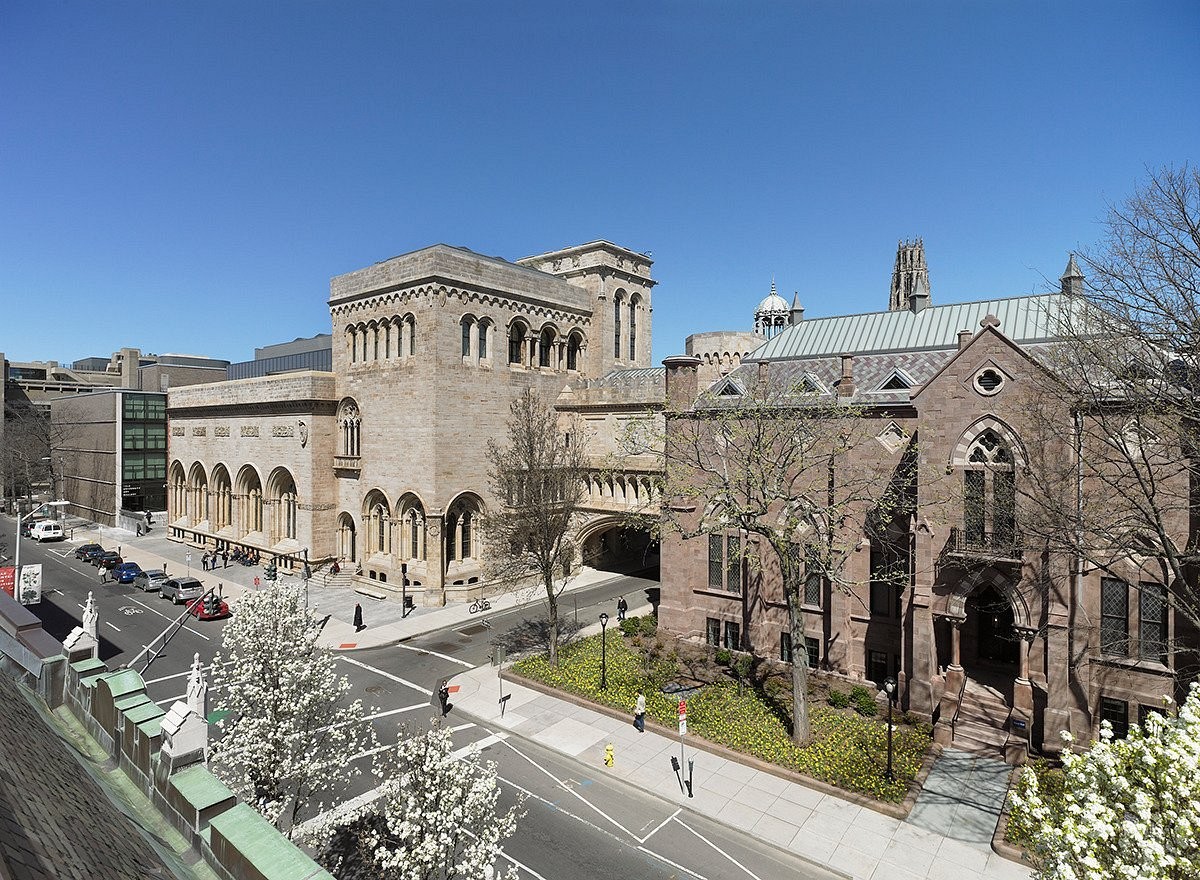
The physical presence of the gallery is defined by a dialogue between distinct eras. The original Street Hall, designed by Peter Bonnett Wight in 1867, remains a significant example of neo-Gothic architecture. Its soaring arches and stained glass windows create an atmosphere of quiet reverence. This historic space provides a sense of permanence and weight, anchoring the institution in the nineteenth century.
In contrast, the modernist addition from 1953 introduces a different logic of form and light. This structure, designed by Louis Kahn, utilizes concrete, steel, and natural light to create a serene environment. The tetrahedral ceiling, conceived in collaboration with Anne Tyng, is a notable feature of this space. It allows diffused light to float above the works, emphasizing the geometric precision of the design. The interplay between the heavy materials and the shifting light creates a contemplative setting for the objects held within.
The 2012 expansion further extended the footprint of the institution. This addition provided new galleries and a rooftop sculpture garden, which offers views of the surrounding campus and city. The integration of these various layers—the neo-Gothic, the modernist, and the contemporary—allows the architecture to reflect the evolving nature of the collection itself.
The Asian Art Collection
The collection offers a quiet encounter with the spiritual and the material through a selection of objects from across the continent. Jade carvings appear with a refined aesthetic, their surfaces smoothed by time and careful handiwork. Nearby, the presence of intricate lacquerware reveals a high level of technical precision, where layers of pigment and resin create a sense of depth and permanence.
Buddhist sculptures occupy the space with a steady, meditative weight. These figures, rendered in various materials, embody the traditions of East Asia through their specific forms and postures. The presence of these works allows for a contemplation of the spiritual practices that shaped their creation. In other areas, the collection includes porcelain pieces that depict scenes from ancient folklore, translating oral traditions into permanent, visual narratives.
The European Art Holdings
The European holdings offer a window into pivotal moments in Western art history. Within these spaces, the Italian Renaissance is represented through works that exemplify a shift towards humanist realism. One encounters the mastery of perspective in the paintings of Gentile da Fabriano and the exploration of human emotion in the works of Ambrogio Lorenzetti. These pieces exist as quiet presences, inviting a close study of the technical shifts that defined the era.
The collection also contains significant works from the Dutch Golden Age. Rembrandt is represented here, specifically through his mastery of etching and storytelling. His The Hundred Guilder Print remains a central point of focus for those observing the precision of his line and the depth of his compositions. The presence of such works allows for a direct encounter with the evolution of printmaking and the nuances of light and shadow.
- The Charity of Saint Martin, Ambrogio Lorenzetti
- Virgin and Child Enthroned, Gentile da Fabriano
- The Hundred Guilder Print, Rembrandt
The African Art Collection
The collection contains over 1,000 African art objects, a presence that reflects the diverse artistic traditions of the continent. These works are held in various materials, including wood, metal, ivory, and ceramic. Each piece carries the weight of its specific origin, offering a quiet encounter with the material culture of many different societies.
The selection includes masks, sculptures, and textiles. These objects exist as physical records of belief and social structure. The arrangement of these items allows for a study of form and function across different regions. One finds a focus on the specific textures of carved wood and the precise details of metalwork.
American Art and Decorative Arts
The holdings of American art trace the nation's evolving identity through shifting styles and social landscapes. This collection moves from the early colonial period into the bold abstractions of the mid-twentieth century. One finds the weight of history in the presence of early colonial silver and the quiet dignity of various domestic objects. These works exist as physical records of a developing country, capturing the transition from colonial beginnings to modern expression.
The decorative arts comprise approximately 18,000 objects that provide a material context for different eras. These items include furniture, textiles, and ceramics that reflect the daily life and aesthetic preferences of past generations. There is a specific gravity to these objects, from the intricate patterns of woven fabrics to the structured forms of wooden cabinetry. They offer a tangible connection to the material culture of the American experience.
- Roger Sherman, 1721–1793
- Katherine Rosen, 1921
- Western Motel, 1957
Masterpieces of the Permanent Collection
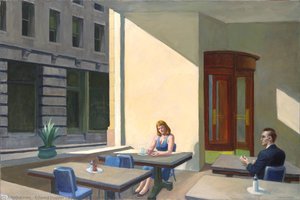
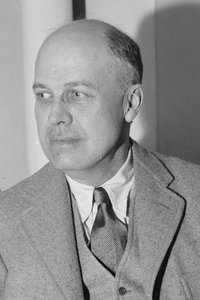
The presence of certain works within these walls commands a specific kind of attention. Edward Hopper’s Sunlight in a Cafeteria (1958) offers a study in light and space, capturing a quiet moment of American life. Nearby, the intensity of 1888's The Night Cafe by Vincent Willem Van Gogh provides a different kind of weight, drawing the eye toward its particular use of color and atmosphere. These paintings exist as physical presences, inviting a slow, steady observation of their surfaces and the moods they hold.
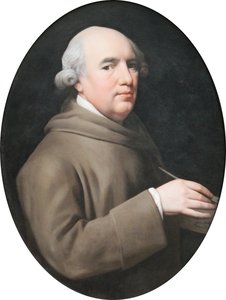
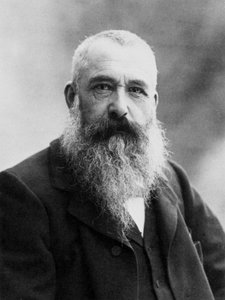
The collection also holds significant examples of landscape and animal studies. George Stubbs’ Lion Attacking a Horse (1765) presents a powerful encounter of movement and force. In contrast, Claude Monet’s Port Donnant, Belle Ile (1886) focuses on the subtle shifts of the coastal environment. Each work occupies its space with a distinct gravity, contributing to the depth of the permanent holdings.
- The Hundred Guilder Print, Rembrandt
- A Jersey Calf, 1893, John Singer Sargent
- The Oarsmen, 1874, Thomas Eakins
- Conversation, 1895, Edgar Degas
Exhibitions and Scholarly Research
The gallery maintains a rigorous commitment to the history of its objects through active provenance research. This investigation into the origins and ownership of the collection ensures the integrity of the holdings. Such scholarly work is supported by access to an extensive library and archive, which provides the necessary documentation for deep inquiry into the material culture represented within the walls.
The exhibition schedule offers specific windows into particular artistic practices and perspectives. From June 27, 2026, to December 6, 2026, the Print Catalyst @ 30 exhibition will be on view. During this same period, the W. Eugene Smith and the Art of Witnessing exhibition will also be presented, allowing for a focused examination of these distinct subjects.
Visiting the Yale University Art Gallery
Located in New Haven, Connecticut, the gallery remains open to the public without charge. Admission is free for all who enter. The space operates from Tuesday through Sunday, though it remains closed on Mondays. This accessibility ensures that the collections are available for quiet study and observation at any time during the week.
The experience of the gallery is shaped by its varied architectural settings. One might move from the neo-Gothic arches of Street Hall into the geometric, light-filled spaces designed by Louis Kahn. The tetrahedral ceiling in certain areas allows diffused natural light to settle upon the objects below. This interplay of light and shadow changes throughout the day, altering the way surfaces and forms are perceived.
The institution offers several specific areas for those seeking particular traditions or eras. The following works are among those held within the permanent collection:
- The Hundred Guilder Print, about 1660 - Rembrandt
- Sunlight in a Cafeteria, 1958 - Edward Hopper
- The Night Cafe, 1888 - Vincent Willem Van Gogh
- Portrait of Jeanne Hebutern, 1918 - Amedeo Clemente Modigliani