Introduction
Have you ever stood before a painting and felt a sudden, airy lightness, as if the room itself had opened up to the sky? You might be looking at the 18th-century Rococo style, a movement that swept through Europe with a shared love for grace and movement. Because both the French and Venetian schools embraced a light palette and turned away from the heavy, dramatic shadows of the Baroque era, they are often grouped together. However, look closer, and you will see two very different worlds unfolding.
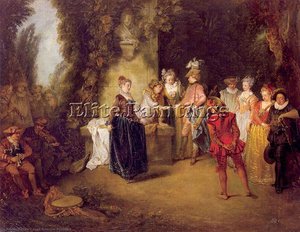
The French Rococo emerged in Paris as the aristocracy moved from the rigid halls of Versailles into intimate townhouses, favoring soft pastels and private scenes of romance. Meanwhile, the Venetian Rococo flourished in a fading republic, producing monumental, sun-drenched works designed for public spectacle and vast ceiling frescoes. In this article, we will help you distinguish between the two. We will ask: is your eye being invited to linger on a tender, silken portrait in a private salon, or is it being swept upward into a limitless, crystalline sky over a Venetian canal?
| Venetian Rococo | French Rococo | |
|---|---|---|
| Dates | 18th century | early 18th century |
| Where | Venice | Paris |
| Key painters | Tiepolo, Canaletto, Guardi | Watteau, Boucher, La Tour |
| Palette and light | clear, airy light and silvery tones | pastel colors, soft pinks, creams, and powdery blues |
| Typical subjects | religion, allegory, history, and the city itself | gallantry, leisure, sensuality, and private pleasure |
| Technique | large scale, monumental decoration, and panoramic space | easel pictures, decorative panels, and intimate scale |
| One key work | The Grand Canal and the Church of the Salute (1730) by Canaletto | Gilles (1719) by Jean-Antoine Watteau |
The Grandeur of Venice: Light, Sky, and Public Spectacle
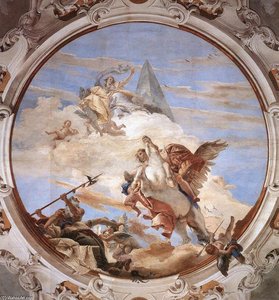
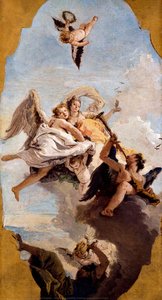 Virtue and Nobility Putting Ignorance to Flight - Giovanni Battista Tiepolo
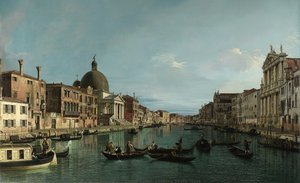
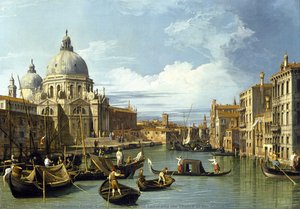 The Grand Canal and the Church of the Salute - Canaletto
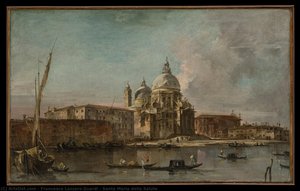 Santa Maria della Salute - Francesco Guardi
If you find yourself standing in a gallery and your eyes are immediately pulled upward, into a limitless, swirling sky, you have likely entered the world of the Venetian Rococo. While other styles might focus on the small and the delicate, the Venetian masters thought big. They worked on a monumental scale, creating vast, airy spaces that seem to dissolve the very walls around you.
Think of the breathtaking ceiling frescoes of Giovanni Battista Tiepolo. In works like the staircase and Kaisersaal of the Würzburg Residenz (1751-53), or his work in the Throne Room of the Royal Palace in Madrid (1764-66), he paints gods and heroes floating through pale blue heavens. There is a sense of public spectacle here—a grand, celestial movement designed to overwhelm and inspire.
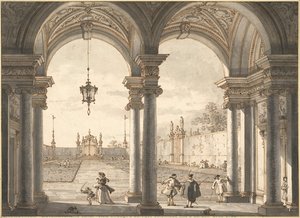
But Venice wasn't just about the heavens; it was about the shimmering, crystalline light reflecting off the water below. You can see this in the precise, topographical views, or vedute, of Canaletto. His 1730 masterpiece, The Grand Canal and the Church of the Salute, captures the bustling life of the waterways with unparalleled clarity. If you prefer something a bit more atmospheric, look to Francesco Guardi. In his 1760 painting, Santa Maria della Salute, he uses sfumato—a technique of delicate, translucent layering—to soften architectural lines, making the city feel as though it is dissolving into the light and mist.
Whether it is the soaring allegories of Tiepolo or the sunlit canals of Canaletto, Venetian Rococo is defined by its panoramic reach and its celebration of a grand, public world.
The Elegance of Paris: Intimacy, Pastels, and Private Pleasure
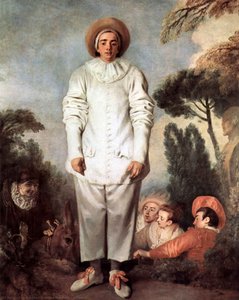 Gilles - Jean-Antoine Watteau
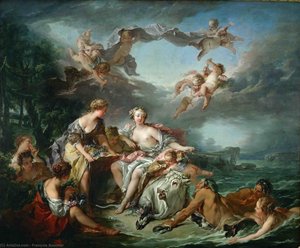
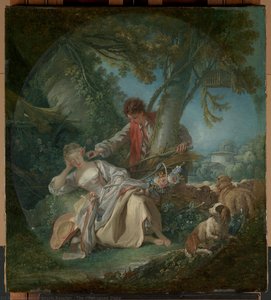 The Interrupted Sleep - François Boucher
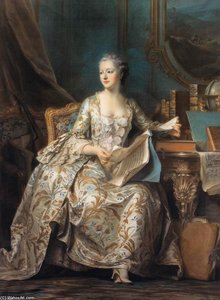
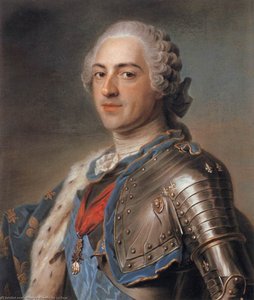 Louis XV - Maurice Quentin de La Tour
If you find yourself standing before a painting and your eyes are drawn to a tender, quiet moment—perhaps a flirtatious glance or the shimmer of a silken gown—you have likely entered the world of the French Rococo. This movement emerged as a soft, graceful reaction against the heavy, overwhelming grandeur of Louis XIV’s Versailles. Once the king passed away in 1715, the aristocracy moved back to Paris, trading massive royal halls for the intimate, private spaces of townhouses known as hôtels particuliers. Because these rooms were smaller, the art changed to match them. The scale became human, the subjects became personal, and the mood shifted from awe to pleasure.
What should you look for to identify this style? Keep an eye out for a palette of soft pinks, creams, and powdery blues. The French masters favored light-drenched compositions that emphasized charm and movement. Consider these iconic examples:
- Jean-Antoine Watteau: His 1719 work, Gilles (now in the Louvre), is a perfect example of the fête galante—a genre he pioneered. It depicts a figure costumed as Pierrot in a dreamlike, theatrical landscape, capturing a sense of wistful contemplation.
- François Boucher: In his 1750 oil on canvas, The Interrupted Sleep (Metropolitan Museum of Art), we see the era's love for idyllic romance, featuring a man and woman in a serene forest setting.
- Maurice Quentin de La Tour: A master of the pastel medium, his portrait of Louis XV (Louvre) demonstrates how this technique could achieve an unparalleled, luminous delicacy, capturing the very essence of aristocratic elegance.
In short, while other movements sought to impress the masses, the French Rococo sought to delight the individual, turning the canvas into a window of refined sentimentality and private joy.
Public Vistas versus Private Salons
If you find yourself standing before a masterpiece, ask yourself: where is your eye being invited to go? This is the simplest way to distinguish these two worlds. In Venice, the art is often a grand, public spectacle. Think of the vast, sweeping scale of Virtue and Nobility Putting Ignorance to Flight by Giovanni Battista Tiepolo, where allegorical figures swirl upward toward a limitless, pale blue sky. Or consider the precise, topographical vedute (cityscape views) of Canaletto, such as his 1730 work The Grand Canal and the Church of the Salute, which captures the bustling, sunlit commerce of a great republic. Whether it is the religious, the historical, or the panoramic, Venetian Rococo is designed to be experienced in the open air or within monumental halls.
The French style, however, tells a much more intimate story. As the aristocracy moved away from the heavy formality of Versailles and into the smaller hôtels particuliers (townhouses) of Paris, art shrank to a more human scale. Instead of looking up at the heavens, you are invited to look across a room at a scene of social grace. You might find yourself lingering over the delicate, theatrical charm of Jean-Antoine Watteau's Gilles (1719), or the soft, romantic forest setting of François Boucher's The Interrupted Sleep (1750). While Venice offers the crystalline light of a public piazza, France offers the soft, powdery textures of a private salon. It is the difference between the expansive, silvery vistas of a city on the water and the tender, whispered nuances of a private garden party.
Conclusion
So, how do you tell them apart when you are standing in a crowded museum? It really comes down to where your eyes are invited to travel. If you find yourself looking up into a limitless, pale blue sky filled with swirling gods and heroes, or if you are staring out at a sunlit, crystalline canal crowded with gondolas, you are in the world of Venice. But, if the scene feels smaller and more personal—perhaps a tender moment of flirtation in a dreamy garden or a shimmering silk costume in a soft, pastel setting—you have entered the French Rococo.
Despite these differences in scale and light, both movements share a common soul. They both turned away from the heavy, dark drama of the Baroque era in favor of grace, movement, and a love of light. Whether it is a massive Venetian fresco or an intimate French portrait, both styles celebrate a sense of elegance and playfulness.
Explore these masterpieces on our website.
Frequently asked questions
How to tell Venetian Rococo from French Rococo
Look at where your eye goes. If you see a limitless sky with figures floating in clouds or a sunlit canal with gondolas, you are in Venice. If you see a small, tender scene of flirtation, a silken costume, or a dreamy garden party, the painting belongs to the French Rococo.
Who are the famous French Rococo painters
Jean-Antoine Watteau, François Boucher, and Maurice Quentin de La Tour are key figures. Watteau is known for the fête galante, while Boucher created rosy mythologies and pastorals. Maurice Quentin de La Tour was a master of pastel portraiture, capturing lively faces and shimmering fabrics.
Who are the famous Venetian Rococo painters
Giovanni Battista Tiepolo, Canaletto, and Francesco Guardi are prominent artists of this school. Tiepolo is famous for vast ceiling frescoes, Canaletto is known for precise topographical views called vedute, and Guardi painted shimmering views and imaginary capricci where buildings dissolve into atmosphere.
Where to see famous Rococo artworks
You can find masterpieces in several world-renowned museums. The Louvre holds works by Watteau and Maurice Quentin de La Tour. The Metropolitan Museum of Art houses pieces by François Boucher and Francesco Guardi. The Dulwich Picture Gallery features a work by Tiepolo, and the Museum of Fine Arts contains a Canaletto.
Famous painters of Venetian Rococo
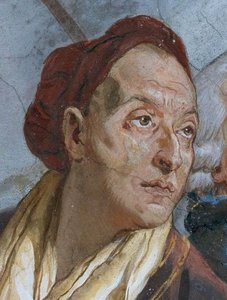
- 1696 – 1770Giovanni Battista Tiepolo
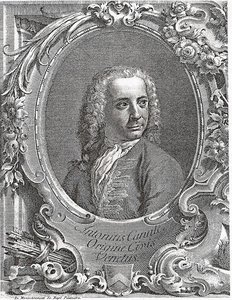
- 1697 – 1768Canaletto
- 1712 – 1793Francesco Guardi
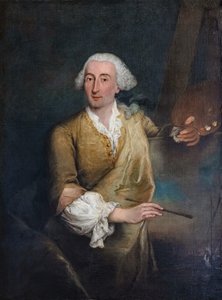
Famous artworks of Venetian Rococo
- Giovanni Battista TiepoloVirtue and Nobility Putting Ignorance to Flight
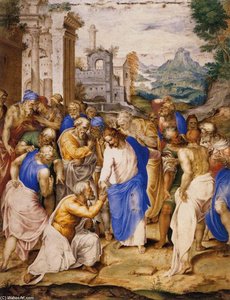
- Giovanni Battista Tiepolo · 1598Christ Giving the Keys to St Peter
- Canaletto · 1730The Grand Canal and the Church of the Salute
- Canaletto · 1738Grand Canal: Looking South-West
- Francesco Guardi · 1760Santa Maria della Salute
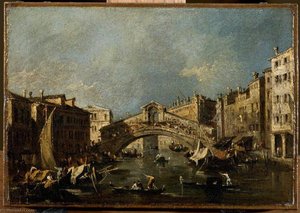
- Francesco GuardiLE PONT DU RIALTO A VENISE
Famous painters of French Rococo
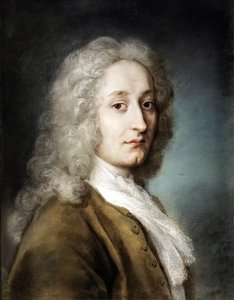
- 1684 – 1721Jean-Antoine Watteau
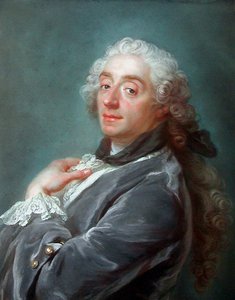
- 1703 – 1770François Boucher
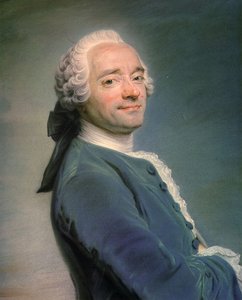
- 1704 – 1788Maurice Quentin de La Tour
Famous artworks of French Rococo
- Jean-Antoine Watteau · 1719Gilles
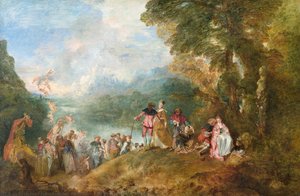
- Jean-Antoine Watteau · 1717The Embarkation for Cythera
- François Boucher · 1750The Interrupted Sleep
- François Boucher · 1747The Rape of Europa
- Maurice Quentin de La TourLouis XV
- Maurice Quentin de La Tour · 1755Marquise de Pompadour