

A Hidden Sanctuary of Science and Soul
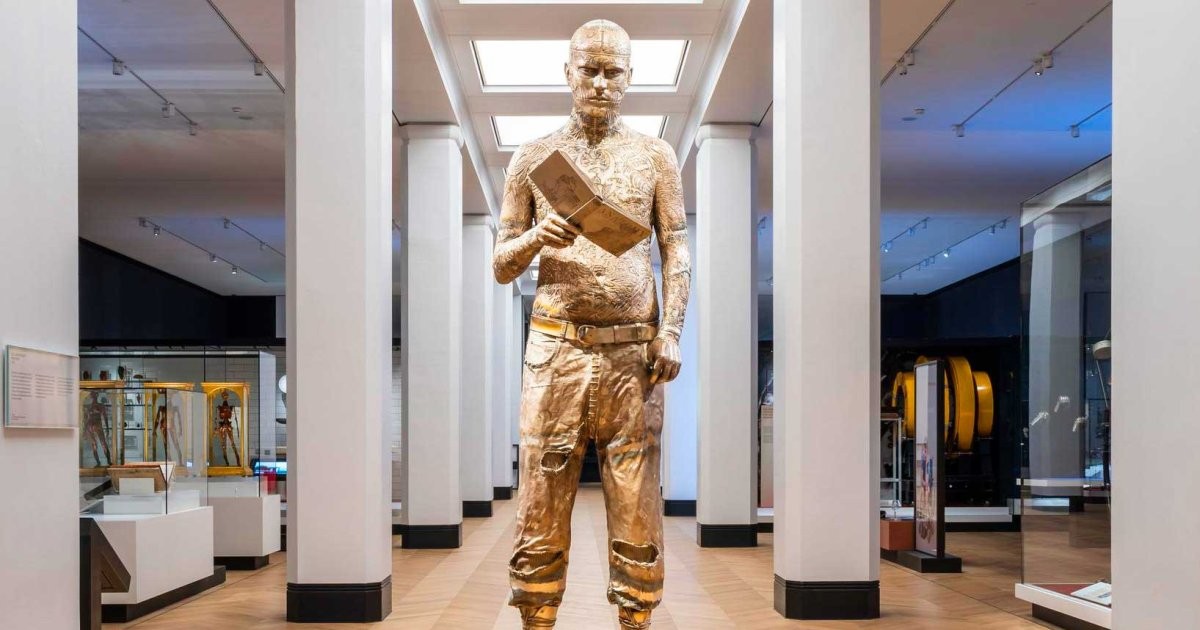
Tucked away on London’s Victoria Street, the Department of Health museum offers a profound departure from the city's more conventional cultural landmarks. It is not merely a repository for medical artifacts but an immersive journey through the very evolution of human resilience. Here, the clinical meets the contemplative, creating a space where the meticulous precision of medical discovery harmonizes with the evocative power of artistic expression. For the discerning visitor, this unassuming building serves as a bridge between the tangible realities of pathology and the ethereal beauty of historical narrative, offering a sanctuary for those who find wonder in the intricate details of life and its preservation.The Artistry of Anatomy and Innovation
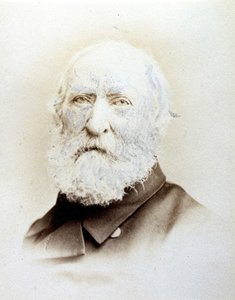
To wander through the museum’s halls is to witness a breathtaking assemblage of human history captured in tissue and tool. The collection is anchored by extraordinary pathology specimens, where detailed illustrations and preserved tissues tell silent, powerful stories of diseases that have shaped generations. Alongside these scientific marvels lie meticulously crafted anatomical models and historical surgical instruments that transport the observer back to pivotal eras of medical education.One cannot escape the profound impact of Lister's spray, a simple yet revolutionary instrument that stands as a monument to Joseph Lister’s antiseptic breakthrough. This spirit of innovation extends into the museum's photographic archives, such as Christina Livingston Broom’s poignant documentation of suffragette volunteers, which weaves the social fabric of the Edwardian era into the broader tapestry of public health and community service. The museum frequently hosts exhibitions delving into the history of Bright’s disease and Hodgkin’s disease, tracing the delicate line between scientific discovery and the social context of healing.