


Florence’s Baptistery: A Journey Through Faith, Art, and the Birth of a Renaissance
Florence breathes with a history etched in stone and gilded in artistry, and at its very heart stands the Baptistery of San Giovanni—a monument not merely built, but *grown* from centuries of faith, civic pride, and artistic innovation. Facing the magnificent Duomo, Santa Maria del Fiore, this octagonal edifice is more than just a church; it’s a palimpsest of Florentine identity, a space where pagan roots transformed into Christian devotion, and where the seeds of the Renaissance were irrevocably sown. To approach its façade is to step back in time, to witness the unfolding narrative of a city that shaped Western art as we know it. The very stones seem to whisper tales of Roman temples, medieval guilds, and the burgeoning humanist spirit that would define an era.
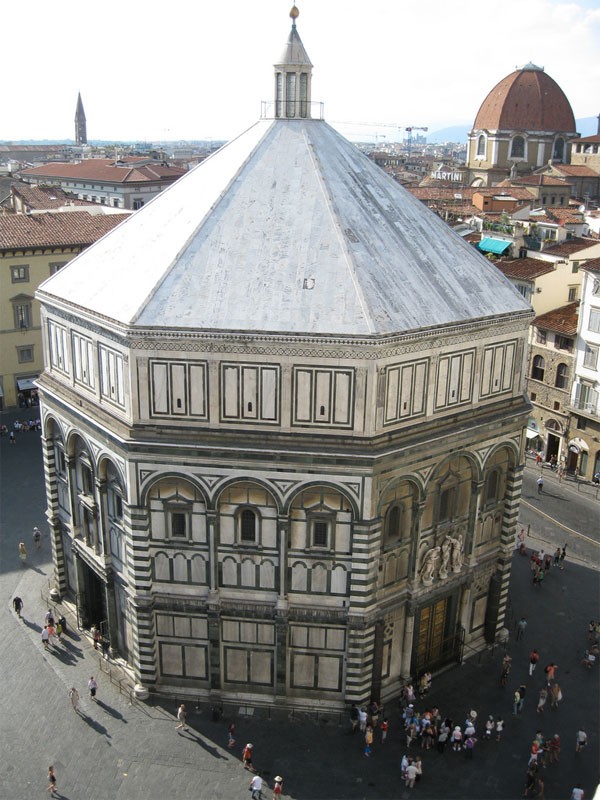
The Baptistery’s origins are shrouded in the mists of antiquity, believed to have risen upon the foundations of a Roman temple dedicated to Mars—a testament to Florence's layered past. By the 4th century, this site had transitioned into a Christian church, undergoing successive renovations and expansions that reflected the city’s evolving power and artistic sensibilities. Throughout the Middle Ages, it served as the focal point for civic life, hosting public gatherings and, most importantly, baptisms—the sacred rite of entry into the Christian faith. It was here, within these walls, that generations of Florentines were welcomed into the community, solidifying the Baptistery’s role not just as a religious space but as the very soul of the city. The structure we see today, consecrated in 1059, embodies the essence of Tuscan Romanesque architecture—a harmonious blend of classical ideals and local craftsmanship, expressed through its white and green marble panels, rounded arches, and geometric precision.
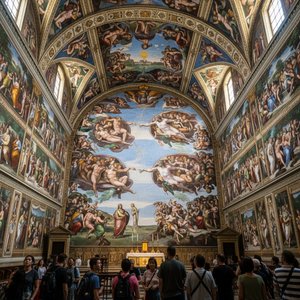
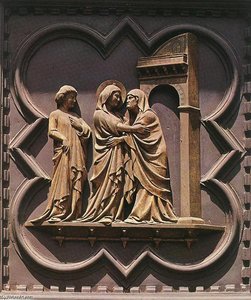
But it is within the Baptistery’s artistic treasures that its true magnificence resides. The mosaics adorning the interior walls are breathtaking in their scope and detail, a shimmering tapestry of biblical narratives crafted by masters like Jacopo Torriti and Andrea Pisano. These vibrant depictions of Genesis and Exodus transport viewers to another realm, inviting contemplation on themes of creation, redemption, and divine providence. Yet, it is Lorenzo Ghiberti’s “Gates of Paradise”—the bronze doors commissioned in 1403—that truly captivate the imagination. The competition for their design launched the career of Michelangelo himself, but it was Ghiberti who ultimately triumphed, creating a masterpiece that redefined Renaissance sculpture. Each panel is a testament to his unparalleled skill, depicting scenes from the Old Testament with an astonishing level of realism and expressive power. These doors are not merely decorative; they are portals into another world, inviting us to contemplate the profound mysteries of faith and human existence.
The Baptistery’s architectural design itself speaks volumes about its symbolic significance. The octagonal plan represents eternity and divine harmony—a deliberate attempt to reflect the cosmic order believed to govern creation. The exterior façade, adorned with three sets of bronze doors, is a testament to Florentine craftsmanship and artistic ambition. Inside, soaring columns support vaulted ceilings, creating an atmosphere of grandeur and solemn reverence. Every element, from the marble inlays to the intricate mosaics, contributes to a sense of awe and wonder—a feeling that transcends time and connects us to the generations who have come before. The use of white and green marble, sourced from Fiesole and other regions, demonstrates not only artistic skill but also Florence’s growing wealth and influence.
What truly sets the Baptistery apart is its enduring legacy as a cradle of Renaissance ideas. It was here, amidst the artistic ferment of Florence, that new ways of seeing and thinking began to emerge—ways that would forever change the course of Western art and culture. The competition for the “Gates of Paradise” stands as an unparalleled illustration of this spirit of innovation, demonstrating how artistic endeavors can propel individuals toward greatness and shape the destiny of a city. Visiting the Baptistery is not simply admiring a magnificent building; it’s embarking on a journey through centuries of Florentine history, faith, and artistic brilliance—a pilgrimage to the very birthplace of the Renaissance itself. The ongoing restoration efforts ensure that this vital piece of Florence's heritage will continue to inspire awe for generations to come.
A Glimpse into Florentine History
The Baptistery’s story is inextricably linked to the history of Florence itself. Initially believed to have been built upon the foundations of a Roman temple dedicated to Mars, it underwent a significant transformation during the early Christian era. This transition reflects the city's evolving identity – from a pagan center to a burgeoning Christian metropolis. The Baptistery’s role as a civic hub is particularly noteworthy; throughout the Middle Ages, it served as a focal point for public gatherings and, crucially, baptisms, solidifying its position as the heart of Florentine community life. The very act of baptism within these walls symbolized Florence's commitment to faith and its integration into the wider Christian world.
The Masterpieces Within
The Baptistery’s collection is dominated by two extraordinary works: Lorenzo Ghiberti’s “Gates of Paradise” and the stunning mosaics that adorn the interior. The bronze doors, commissioned in 1403, represent a pinnacle of Renaissance sculpture. Ghiberti's meticulous detail, his mastery of perspective, and his ability to imbue biblical scenes with human emotion were revolutionary for their time. They launched the career of Michelangelo, who famously declared them “the eighth wonder of the world.” The mosaics, created over centuries by skilled artisans, depict key narratives from the Bible – Genesis, Exodus, and beyond – using vibrant colors and intricate designs. These mosaics are not merely decorative; they serve as a visual encyclopedia of biblical stories, offering a profound meditation on faith and humanity.
Architectural Marvels & Symbolism
Beyond its artistic treasures, the Baptistery is an architectural masterpiece. The octagonal plan itself is laden with symbolism, representing eternity and divine harmony – mirroring the cosmic order believed to govern creation. The exterior façade, composed of alternating panels of white Carrara marble and green Prato marble, showcases Florentine craftsmanship at its finest. The three sets of bronze doors, each adorned with intricate carvings and sculptures, further enhance the building’s grandeur. Notice the careful proportions, the harmonious balance between classical and Romanesque elements, and the overall sense of monumental scale – all contributing to a powerful expression of faith and civic pride.
Visiting Today & Ongoing Preservation
Today, the Baptistery remains one of Florence's most popular tourist destinations. Visitors are drawn by its stunning mosaics, the legendary “Gates of Paradise,” and its rich historical significance. The Opera del Duomo actively manages the preservation and restoration of the Baptistery, ensuring that this invaluable cultural heritage is protected for future generations. Currently, a significant portion of the mosaic vault is undergoing meticulous restoration, offering visitors a unique opportunity to witness the painstaking work involved in preserving such an extraordinary artistic treasure. Don't miss the chance to explore the museum behind the Baptistery, which houses original sculptures and artifacts related to its history.