

A Sanctuary of Reform and Georgian Splendor
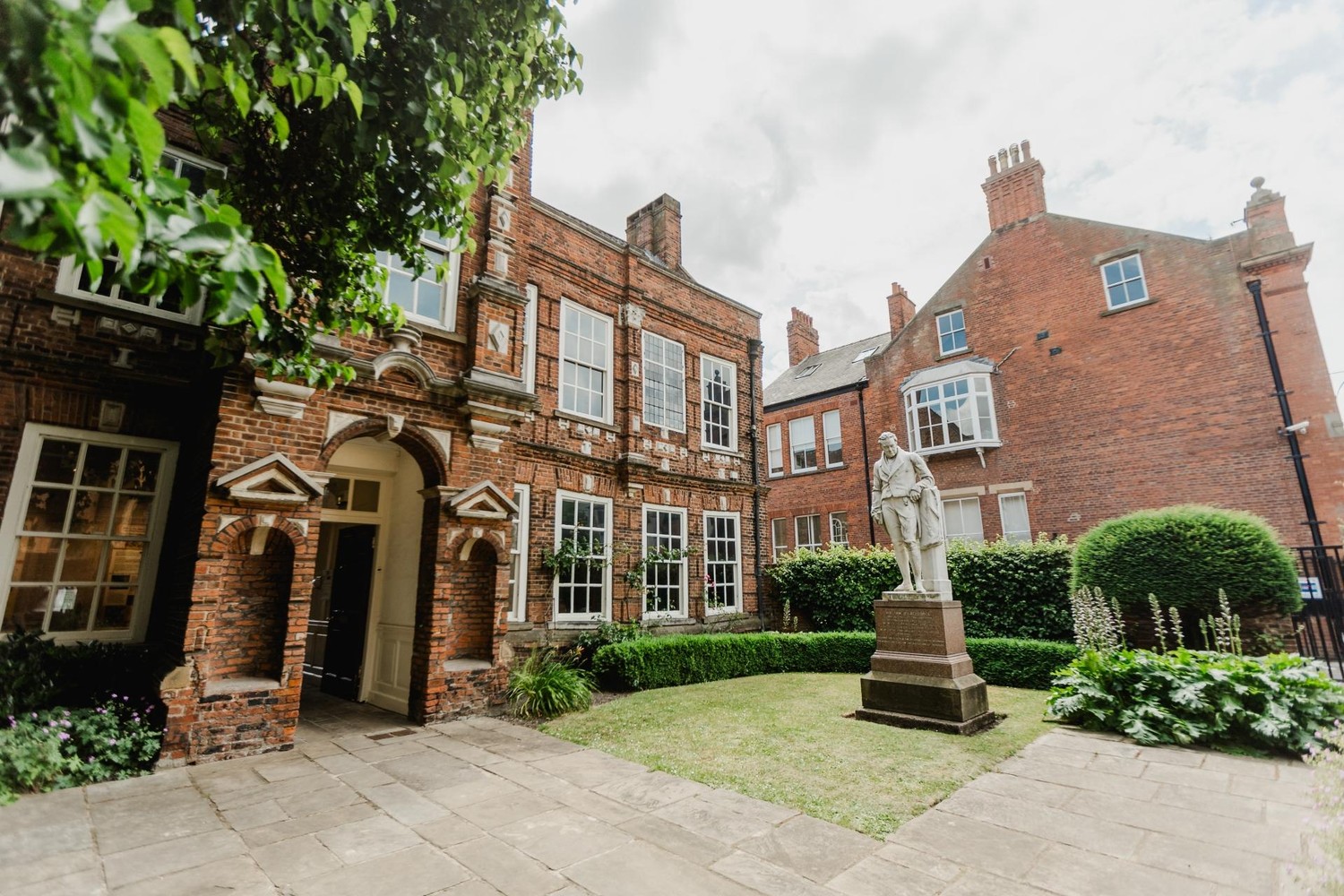
Nestled within the historic heart of Hull’s Old Town, Wilberforce House stands as a profound architectural testament to the power of individual conviction. This Grade I listed Georgian townhouse, with its stately façade and meticulous symmetry, offers much more than a mere glimpse into the eighteenth century; it provides an immersive encounter with the very spirit of reform. As one approaches the building, the refined ornamentation characteristic of the era immediately commands attention, serving as a dignified prelude to the transformative history contained within its walls. For the admirer of classical design and period architecture, the house is a masterclass in proportion and grace, where every element—from the balanced sash windows to the stately presence of its timber paneling—reflects the burgeoning prosperity and Enlightenment ideals of Hull’s maritime community.
To step inside is to enter a space where the elegance of Georgian life meets the harrowing realities of the transatlantic slave trade. The collection is a curated dialogue between beauty and brutality, designed to confront the uncomfortable truths of human history through a striking juxtaposition of artifacts. Visitors may find themselves admiring opulent furnishings, richly patterned wallpapers, and gilt frames that once graced the homes of the merchant elite, only to be met by the visceral impact of the remarkably detailed model of the Brookes slave ship. This haunting centerpiece serves as a focal point for reflection, illustrating the unimaginable conditions faced by enslaved Africans during the Middle Passage and anchoring the house's mission to chronicle the relentless crusade of William Wilberforce.
A Legacy of Conscience and Social Change
Beyond its primary biographical narrative, the house offers a window into the social fabric of 18th-century England. The collection delves into the complexities of the abolitionist movement, showcasing meticulously researched displays of correspondence, prints, and personal belongings that illuminate the struggles faced by those advocating for liberty. Through the display of period household items, textiles, and kitchen utensils, the house allows visitors to imagine the domestic rhythms of an era defined by both profound social upheaval and quiet, everyday resilience.
What distinguishes Wilberforce House is its unparalleled ability to convey the emotional power of individual action. It is not merely a repository of the past but a living lesson in how personal commitment can catalyze societal progress. For art lovers and historians alike, the house provides a unique perspective on change, encouraging a contemplative journey through a landscape of courage and conviction. Whether one is drawn by the architectural grace of its origins or the profound moral weight of its exhibits, the site remains a beacon of hope, reminding us that the echoes of history continue to resonate in our contemporary pursuit of equality and justice.