

A Sanctuary of Stone and Spirit: The Cathedral of the Dormition
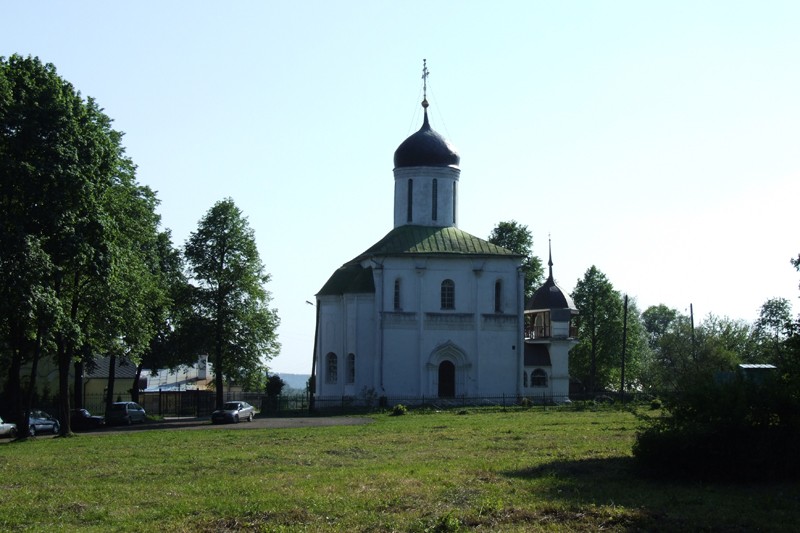
Nestled within the verdant, rolling landscapes near Zvenigorod, the Cathedral of the Dormition in Gorodok stands as a profound testament to the enduring power of medieval faith. To enter this sacred space is to step through a portal into the fourteenth century, leaving the modern world behind for an era where architecture and devotion were inextricably linked. As a cornerstone of the ancient Gorodok fortified citadel, the cathedral was born from the political and spiritual ambitions of the Muscovite era, specifically under the patronage of Prince Yury of Zildednik. Its very existence is a triumph of preservation; while much of Russia’s medieval heritage succumbed to the ravages of time and conflict, this white-stone marvel remains an exceptionally intact relic of the formative years of Moscow’s dominion.
The architecture of the cathedral is a masterclass in the Muscovite style, embodying a harmonious balance between defensive strength and divine aspiration. Built upon a hill overlooking the River Moskva, the structure follows the classic cross-in-square design, characterized by its robust four pillars and a singular, striking black dome that pierces the skyline. The exterior walls are not merely functional barriers but canvases of immense artistic value, adorned with intricate stone engravings that catch the light and shadow in a rhythmic dance. These carvings, paired with the cathedral's imposing proportions, reflect a period where engineering prowess was utilized to create a "fortress of faith," a sanctuary capable of safeguarding both the physical community and the Orthodox tradition against the uncertainties of siege warfare.
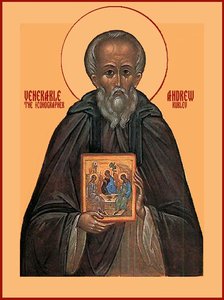
For the connoisseur of fine art and the admirer of Byzantine influence, the interior of the cathedral offers an intimate encounter with some of the most significant fragments of Russian iconographic history. The walls serve as a silent gallery, housing medieval frescoes that depict biblical narratives through vibrant hues and deeply symbolic imagery. Most breathtaking, however, are the elusive remnants attributed to the legendary Andrey Rublev. These precious fragments of painting carry the unmistakable touch of Russia’s most celebrated master, showcasing his unparalleled ability to use color and delicate detail to evoke the divine. While some of his most famous icons, such as Christ the Saviour, have found their way to the Tretyakov Gallery, the traces left within these walls provide a rare, visceral connection to the artist's original spiritual intent.
Beyond its structural and painterly brilliance, the Cathedral of the Dormition offers a unique scholarly allure that continues to captivate historians and interior designers alike. Recent exhibitions and research have illuminated the cathedral’s role as a pivotal node in the dissemination of Byzantine artistic movements across Europe, making it much more than a local monument. For those drawn to the intersection of historical narrative and aesthetic mastery, the cathedral stands as a singular destination—a place where the echoes of medieval craftsmanship and the whispers of ancient prayers create an atmosphere of unparalleled sanctity and timeless beauty.