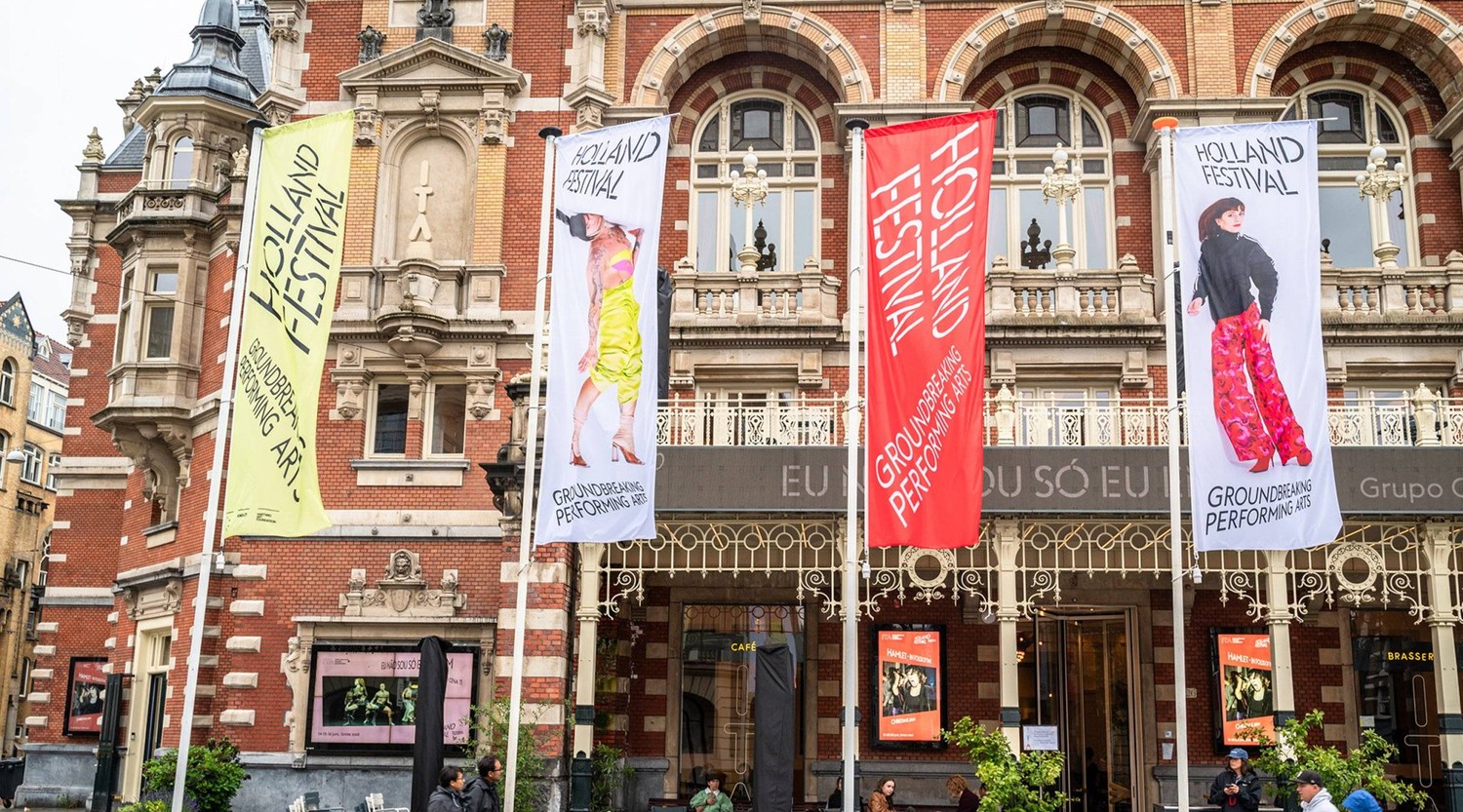
Holland Festival – A Beacon of Artistic Innovation
The Holland Festival stands as a testament to Dutch cultural resilience and creativity—a legacy born from the ashes of World War II and nurtured by an unwavering commitment to pushing artistic boundaries. Established in 1947, this annual event nestled in the vibrant heart of Amsterdam isn’t merely about showcasing performances; it's about fostering dialogue between disciplines and celebrating the transformative power of art itself. From its inception, the festival championed challenging work, quickly gaining international recognition for its daring programming—a tradition that continues to define its identity today.
-
Early Years & Pioneering Spirit:
The initial vision was simple yet profound: to reconnect with the world through artistic expression after years of hardship. Performances like Maria Callas’s debut in Amsterdam cemented the festival's reputation for attracting exceptional talent and establishing itself as a crucial platform for international artists.
-
Musical Landmarks:
Notably, the festival bravely attempted to host Frank Zappa—a feat that ultimately succeeded after previous setbacks—demonstrating its willingness to embrace diverse musical landscapes and explore unconventional artistic collaborations.
-
Expanding Horizons:
Over time, the Holland Festival broadened its scope beyond traditional performing arts, incorporating multimedia installations, visual art exhibitions, film screenings, and architectural interventions. This evolution reflects a growing desire to engage audiences with innovative formats and stimulate intellectual curiosity.
Amsterdam – A Stage for Artistic Dialogue:
The city of Amsterdam plays an integral role in the festival experience. Performances unfold across iconic venues—the grandeur of the City Theatre and Opera House provides a fitting backdrop for classic productions, while the Concertgebouw and Muziekgebouw concert halls resonate with musical brilliance. Yet, there’s also a deliberate contrast: the Westergas factory site—a former industrial complex—offers a more unconventional setting, blending historical charm with contemporary chic. This juxtaposition mirrors the festival's ethos – a harmonious blend of tradition and innovation. During June, the Festival isn’t confined to these stages; it spills out into the streets, creating an energy that permeates the entire city.
A Commitment to Challenging Art:
What truly distinguishes the Holland Festival is its unwavering dedication to artistic excellence and experimentation. It embraces works that provoke thought, inspire debate, and expand perspectives—a core principle that guides its selection process and ensures it remains at the forefront of cultural discourse. From 2005 to 2014, Pierre Audi’s directorial vision championed this ethos, followed by Ruth Mackenzie's who continued to foster a spirit of collaboration and innovation.
-
Notable Directors:
Pierre Audi’s tenure saw a focus on exploring themes of social justice and confronting uncomfortable truths through artistic mediums. Ruth Mackenzie brought a fresh perspective, emphasizing inclusivity and celebrating diversity within the festival’s programming.
-
Expanding Reach:
Initiatives like EarFuel, EyeFuel, and MindFuel actively sought to engage new audiences and broaden the festival's reach—a testament to its enduring relevance in contemporary culture.
Additional Research:
The Holland Festival’s influence extends beyond Amsterdam itself. Its collaborations with European Festivals Association (EFA) solidify its position as a leader in international performing arts, promoting artistic exchange and fostering cultural understanding. Furthermore, the festival's commitment to supporting emerging artists ensures that it remains a vital incubator for creativity—a legacy that promises to inspire generations of performers and audiences alike.