
Origins and History of the MAK
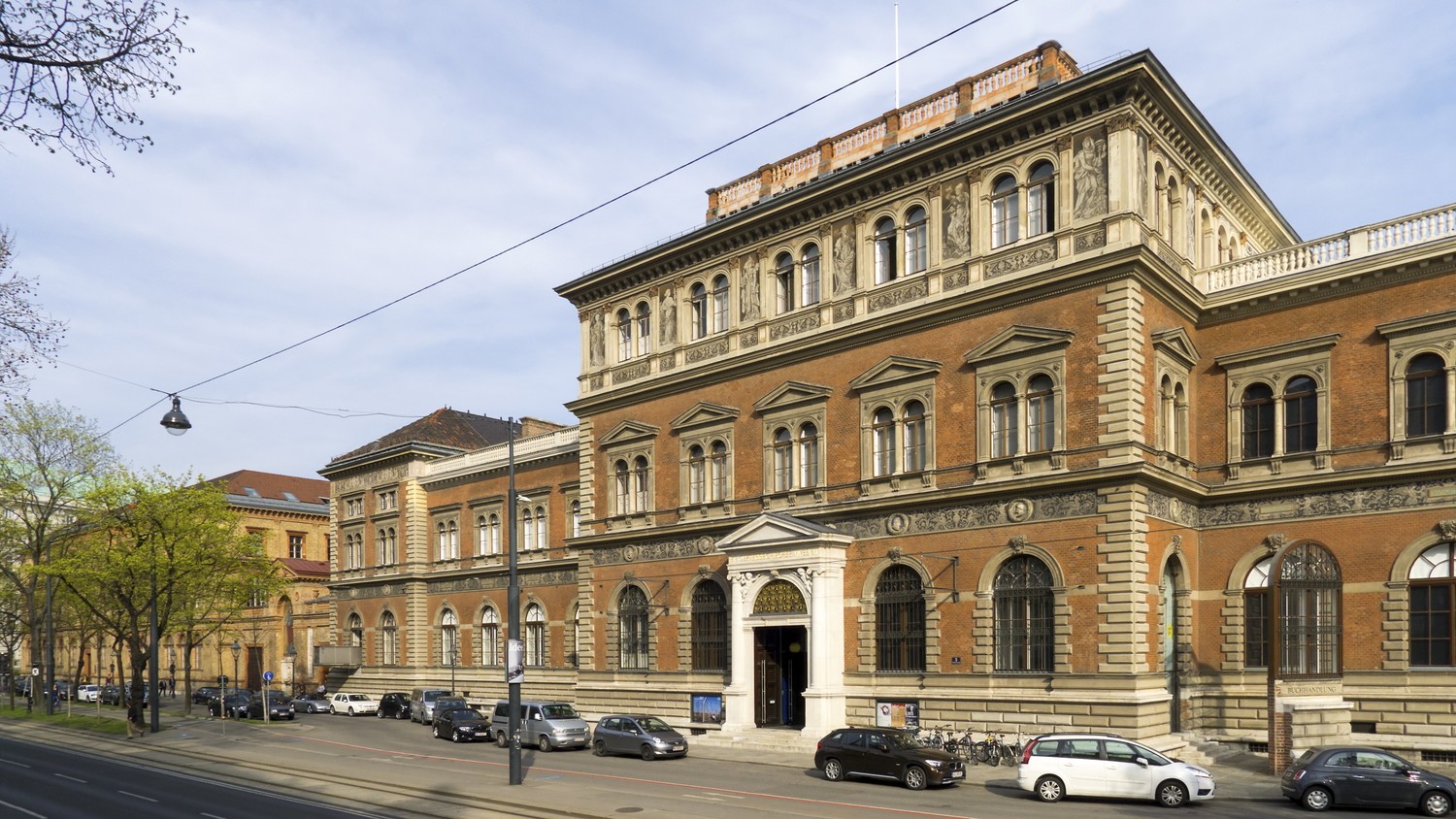
The MAK – Museum of Applied Arts was founded in 1863 by Emperor Franz Joseph I. At its inception, the institution was known as the Imperial Royal Austrian Museum of Art and Industry. Its primary purpose was to serve as an exemplary source collection, establishing a standard for craftsmanship and design. The museum has occupied its current location on Vienna's Ringstraße since 1871.
The institution underwent several name changes reflecting the political shifts in Austria. Between 1939 and 1945, it was renamed Staatliches Kunstgewerbemuseum in Wien. Following the end of the war, the name was changed to Österreichisches Museum für angewandte Kunst in 1947. A significant structural shift occurred in 2000, when the museum transitioned into a public-law academic institution.
The museum's history is tied to the development of the Wiener Werkstätte, which was established in 1903. This movement sought to integrate art into the fabric of everyday life through a unified aesthetic approach. The museum's holdings reflect this evolution from the historicism of the mid-19th century through the emergence of Art Nouveau and into contemporary design practices.
The Architecture of the Ferstel Building
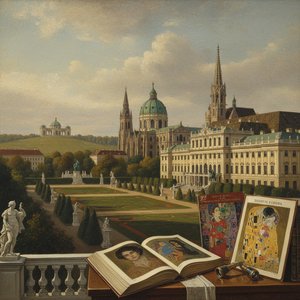
The building is an integral part of the institution's history. Conceived by architect Heinrich von Ferstel and completed in 1871, the structure is a significant architectural statement in the Neo-Renaissance style. It has occupied its current location on Vienna's Ringstraße since 1871. The design reflects the stylistic aspirations of the Belle Époque, mirroring the architectural language of London’s South Kensington Museum.
The façade is defined by monumental Corinthian columns and intricate decorative friezes. These elements provide a formal framework for the museum's presence in the city. The building's structure was designed to function as a palace for learning, intended to inspire appreciation for beauty in all its forms. The architectural detail extends to the very structure that houses the collections, ensuring the setting is as significant as the objects within.
The Diverse Collections and Movements
The collection comprises over 300,000 objects that trace the evolution of design and material culture. These holdings span several distinct eras, including the Baroque and Neoclassicism. The museum also preserves significant examples of Japanese Decorative Arts and Japanese Modernism, reflecting a long-standing interest in international aesthetic developments. Among the textile holdings are oriental carpets that were previously in the possession of the Habsburgs.
A significant portion of the museum is dedicated to the movements that defined the turn of the century. This includes works associated with Art Nouveau, the Arts and Crafts Movement, and Secessionism. These collections illustrate the shift from traditional craftsmanship toward the integrated design principles of the early modern period. The museum's holdings include various items from these movements, such as:
- Decorative Fabric, 1893
- Ornamental Box, 1906
- Tea Service, 1903
- Bowl “Cockerel Heads”, 1900
The breadth of the collection allows for a direct comparison between historical luxury and functional design. From the intricate patterns of 19th-century textiles to the structured forms of modern furniture, the objects reflect changing societal needs and technical capabilities. The presence of diverse materials, from glass to ceramics, provides a comprehensive view of how craftsmanship has adapted through different historical epochs.
Masterpieces of the Museum Collection
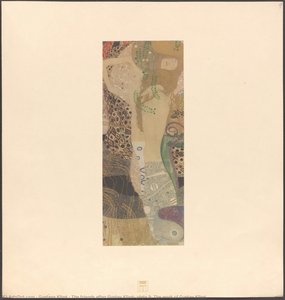
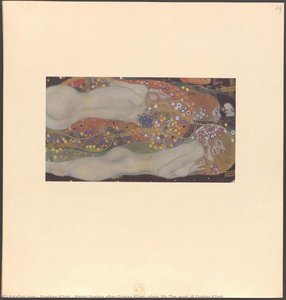
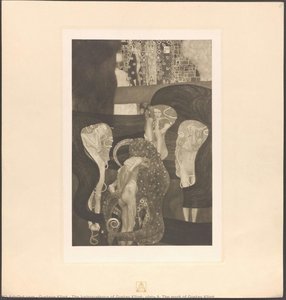
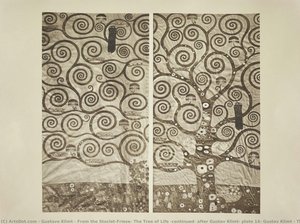
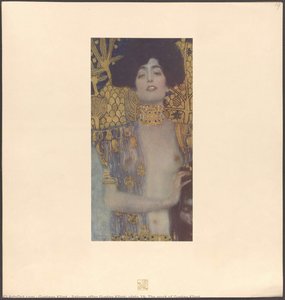
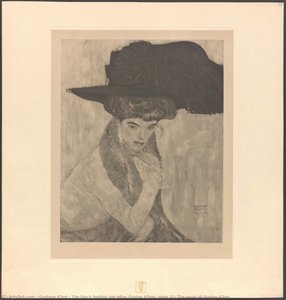
The collection contains significant works by Gustav Klimt, including The Virgin and The black feather hat. These pieces reflect the artist's presence within the museum's holdings. Alongside these, the museum preserves furniture designs by Josef Hoffmann, whose work is central to the institution's focus on functional beauty. The presence of the Wiener Werkstätte movement is felt throughout the galleries, where the integration of art and craft is most evident.
Glassware by Alois Weissberger and Johann Koller is held within the permanent collection. These objects demonstrate the technical precision of their era. The museum also maintains a selection of decorative fabrics, such as those designed by Charles Francis Annesley Voysey. These textiles illustrate the diverse material history preserved within the walls.
- The Virgin, Gustav Klimt
- The black feather hat, Gustav Klimt
- Decorative Fabric, Charles Francis Annesley Voysey
Exhibitions and Contemporary Research
The museum maintains a rigorous commitment to historical accuracy through ongoing provenance research. This systematic investigation has led to the restitution of various artworks to their rightful owners since 1998. Such efforts ensure the integrity of the collections held within the institution.
Temporary exhibitions are primarily hosted in the Weiskirchnerstraße building, which serves as a dedicated space for rotating displays. This venue allows for a constant dialogue between the permanent holdings and contemporary practices. In 2015, the museum initiated the Vienna Biennale, an event designed to bridge the gap between art, design, and architecture. Within the permanent collection rooms, the presentation of objects is often shaped by the specific vision of invited artists. Donald Judd staged the 18th-century Baroque Rococo Classicism collection on austere white marble platforms, while Jenny Holzer’s Empire/Biedermeier room features illuminated socio-political texts.
The MAK Design Lab addresses the intersection of material culture and modern life. Its programming examines specific themes including consumption, technology, and social change. This approach moves beyond traditional display methods to investigate how design influences contemporary existence.
Recent Projects and Digital Innovation
The MAK engages with the evolving intersection of technology and art through unconventional acquisitions. In 2015, the institution became the first museum globally to utilize Bitcoin for the purchase of art, acquiring the digital work "Event listeners" by van den Dorpel. This move reflects a commitment to exploring how digital assets and blockchain technology interact with traditional museum practices.
The museum's physical presence extends into the urban environment through light-based installations. The courtyard features "MAKlite," a permanent outdoor installation by American artist James Turrell. This work uses precisely calibrated LED lighting to transform the space into a sensory environment, altering the perception of the architectural setting after dark.
Digital accessibility remains a central component of the institution's outreach. The museum has digitized over 300,000 objects, making a vast portion of the collection available for online study. Visitors can also utilize an interactive web-based audio guide app to access detailed narratives and expert commentary while navigating the galleries.