Origins and History of the Museum
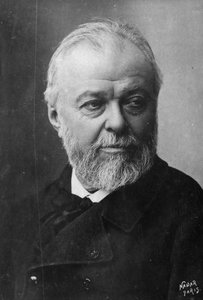
The musée Petiet de Limoux emerged from a profound commitment to the arts within a single family. Founded in 1880, the institution is dedicated to the artistic production of the second half of the 19th century. The origins of the collection are tied to Léopold-Henri Petiet and François-Auguste Petiet, both of whom were painters and art amateurs. These men also served as the mayors of La Bezole. Their devotion to the visual arts eventually led to a significant gesture for the community of Limoux.
In 1880, Léopold-Henri Petiet donated his house to the municipality of Limoux. This gift was intended to establish a drawing and painting school alongside a museum. The space was designed to foster artistic study and preserve the family's aesthetic interests. Marie Petiet, the daughter of Léopold, was a recognized artist in her own right. Her presence and her work remain central to the history of this site.
The Building and its Architecture
Situated on the promenade du Tivoli at the edge of the historic town center of Limoux, the museum occupies a space formed by several joined houses. These structures were transformed to respect the late 19th-century style, maintaining a sense of continuity with the era of the collection. The architecture reflects the domestic elegance of the period, creating an atmosphere where the setting and the art exist in a quiet dialogue.
Inside, the interior is defined by high ceilings and walls decorated with pilasters. Light enters through original glass ceiling skylights, casting a steady glow over the ancient tile floors. The arrangement of the rooms preserves the character of the original dwellings, allowing the paintings to inhabit a space that feels lived-in rather than purely institutional. The physical presence of the building remains closely tied to the history of the families who once resided within these walls.
The Art Collections and Movements
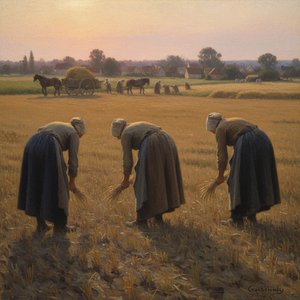
The collection focuses on French painting from the second half of the 19th century through the early 20th century. These works trace a stylistic evolution from the structured principles of Academicism toward the experimental light of Impressionism and Pointillism. Orientalism and Neo-Impressionism also find presence within the halls, alongside more pictorial approaches that define the era's shifting sensibilities.
A significant portion of the permanent collection is dedicated to the works of Marie Petiet, whose intimate depictions of daily life in the Aude region offer a quiet look at provincial existence. The museum also holds pieces by Achille Laugé, who frequently captured the landscapes and portraits of the local area. Other artists represented in the collection include Henri-Charles-Etienne Dujardin-Beaumetz, Antoine Guillemet, Édouard Joseph Dantan, Alexandre Antigna, Henri Le Sidaner, Henri Lebasque, Jean-Jacques Henner, and Henry Caro-Delvaille. The presence of René-Xavier Prinet, Jean-Paul Laurens, and Jules-Clément Chaplain further expands the breadth of the holdings.
- Marie Petiet, Les Blanchisseuses
- Marie Petiet, Jeune fille aux oies, 1900
- Marie Petiet, Portrait de Léopold Petiet, 1875
- Marie Petiet, Guignol au village, 1886
- Marie Petiet, The Shellfish Seller, 1887
- Marie Petiet, The Knitter Asleep, 1881
Major Donations and Acquisitions
The foundation of the collection rests upon the generosity of the Petiet family. Léopold-Henri Petiet, his brother Auguste, and his daughter Marie donated both the building and a significant portion of the family's private holdings to the municipality. This initial gift established the core of the museum's holdings, centering much of the early acquisitions around the intimate works of Marie Petiet.
The collection grew further through the contributions of Étienne Dujardin-Beaumetz. As the husband of Marie Petiet, he added numerous works to the museum between 1902 and 1912. These acquisitions helped expand the scope of the museum's holdings during the early twentieth century.
A singular and distinctive acquisition arrived via Alphonse de Rothschild between 1902 and 1905. This donation consists of a specific, specialized object rather than a traditional painting: a frame containing 53 medals and plaques created by Jules-Clément Chaplain. This piece remains a rare example of such a donation within the French museum system, preserved in its original, complex arrangement.
Masterpieces of the Collection
The presence of Marie Petiet’s work defines much of the atmosphere within these walls. Her painting Les Blanchisseuses remains a central focus, capturing a sense of daily life through a lens of quietude. Nearby, the 1875 Portrait of Léopold Petiet offers a direct encounter with the family history that founded this institution, rendered with a precision that reflects the artist's intimate connection to her subjects.
Other works provide a different perspective on the nineteenth-century aesthetic. Jean Benner’s 1879 The Wreck or The Italian brings a sense of drama to the collection, contrasting with the more serene compositions found elsewhere. The influence of Jean-Jacques Henner is also felt through La fontaine, a work that contributes to the specific light and mood characteristic of the museum's holdings.
- The Wreck or The Italian, 1879 - Jean Benner
- La fontaine - Jean-Jacques Henner
- Portrait of Léopold Petiet, 1875 - Marie Petiet
Exhibitions and Visiting Information
The museum hosts four temporary exhibitions each year, offering a changing perspective alongside the permanent collection. These seasonal presentations allow for a deeper engagement with the specific movements and artists that define the institution. The opening period runs from April 1 to October 15.
Visitors may enter the premises from Tuesday to Saturday. The doors are open during the morning hours from 9:00 to 12:30 and again in the afternoon from 15:00 to 18:00. Entry is available at a full price of 4 €, while a reduced price of 3 € is offered for seniors, children aged 10 to 16, persons with reduced mobility, and members of the Friends of the Musée Petiet association. Children under 10 and members of the association also enjoy free entry.