


The Soul of São Paulo: Unveiling MASP’s Enduring Legacy
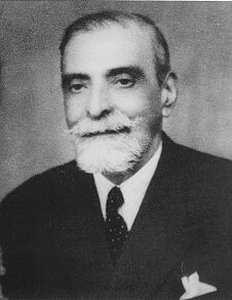
Nestled within the vibrant heart of São Paulo, Brazil, the Museu de Arte de São Paulo Assis Chateaubriand (MASP) is more than just a museum; it's an architectural marvel, a cultural cornerstone deeply intertwined with the city’s identity and a testament to the enduring power of art. Founded in 1947 by the visionary Assis Chateaubriand, MASP began its journey with a profound ambition: to assemble a world-class collection of European masterpieces while simultaneously fostering a deeper appreciation for artistic expression within Brazil itself. From its modest beginnings on the upper floors of Diários Associados headquarters – a space that immediately hinted at the museum’s innovative spirit – it has blossomed into an iconic institution, celebrated globally for its groundbreaking design, remarkably diverse holdings, and unwavering commitment to education.
The story of MASP is inextricably linked to the extraordinary partnership between Assis Chateaubriand and Pietro Maria Bardi. Bardi, a former gallery owner hailing from Milan with an unparalleled understanding of art history and a genuine passion for Brazilian culture, quickly became the driving force behind the museum’s acquisition strategy. His influence extended far beyond simply collecting; he championed revolutionary exhibition practices, meticulously designed to encourage dialogue between artworks – inviting visitors to contemplate their relationships and interpretations. Bardi's dedication to showcasing Brazilian art was equally profound, recognizing the nation’s burgeoning artistic talent and actively nurturing its development, ensuring that MASP would become a vital platform for both established masters and emerging voices.
A Symphony of Steel and Glass: The Architectural Masterpiece
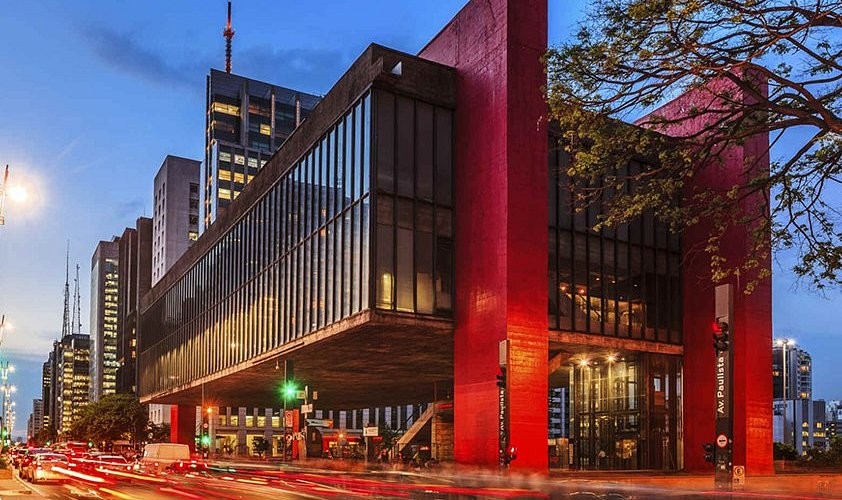
Perhaps the most immediately striking aspect of MASP is undoubtedly its architecture – a daring and utterly innovative design conceived by Lina Bo Bardi. Completed in 1968, the museum’s structure defies conventional architectural norms, presenting a bold juxtaposition of seemingly disparate elements. It consists of two distinct volumes: a solid, concrete base, providing a stable foundation for the permanent collection, and a soaring, glass-encased “Vão Livre” (Free Space) suspended gracefully above it. This ingenious design was conceived not merely to create a building, but to craft an entirely new experience for visitors – blurring the boundaries between art and space itself. The Vão Livre, with its dramatic cantilevered structure seemingly floating above the ground floor, offers breathtaking panoramic views of Avenida Paulista, symbolizing a deliberate break from traditional museum architecture and inviting contemplation.
Bo Bardi’s vision extended beyond mere aesthetics; she sought to create an environment that would actively enhance the experience of encountering art. The interplay of light, space, and perspective within the Vão Livre is meticulously orchestrated, transforming the museum into a dynamic stage where artworks can truly breathe and resonate with their audience. The use of exposed concrete, combined with the transparency of the glass, creates a unique atmosphere – simultaneously grounded and ethereal, intimate and expansive.
A Collection That Speaks Volumes
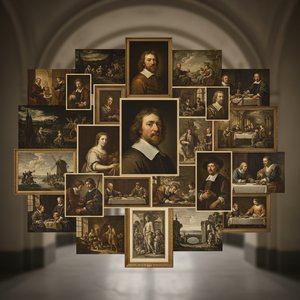
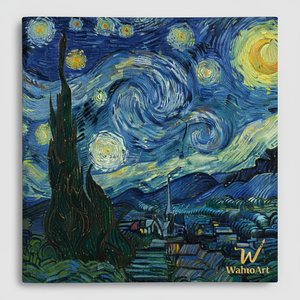
MASP’s collection is remarkably diverse, encompassing over 8,000 works spanning centuries and artistic movements. While undeniably renowned for its impressive array of European masterpieces – including the haunting “The Return of the Prodigal Son” by Rembrandt, Van Gogh's intensely personal "Self-Portrait," Renoir’s evocative “Rocks at L’Estaque,” and the vibrant canvases of Picasso and Bellini – the museum also boasts a significant and increasingly celebrated collection of Brazilian art. This carefully curated selection reflects the nation’s rich cultural heritage, showcasing works by artists such as Raymundo Colares de Oliveira, Castiel Vitorino Brasileiro, and Alfredo Volpi, whose dynamic abstract paintings powerfully capture the spirit of modern Brazil.
Beyond painting, MASP's holdings extend far beyond traditional mediums. You’ll find a substantial collection of sculpture, intricate prints, captivating drawings, exquisite decorative arts, and even a dedicated library brimming with invaluable art historical texts. The museum’s commitment to representing diverse artistic voices ensures that visitors gain a comprehensive understanding of both European and Brazilian artistic traditions.
Beyond the Walls: Exhibitions and Educational Initiatives
MASP is not simply a static repository of artworks; it's a vibrant, dynamic center for artistic engagement. The museum consistently hosts thought-provoking temporary exhibitions showcasing both established and emerging artists from around the globe, offering visitors fresh perspectives on familiar masterpieces and introducing them to innovative contemporary works. These carefully curated displays are designed to spark dialogue and encourage critical thinking.
Furthermore, MASP is deeply committed to fostering a lifelong love of art within the community through its extensive educational programs. From engaging workshops for children that introduce young minds to the wonders of artistic expression to stimulating lectures delivered by leading art historians, the museum caters to audiences of all ages and backgrounds. The Escola MASP offers a diverse range of courses in various artistic disciplines, while the museum’s mediação e programas públicos initiatives provide interactive experiences designed to deepen understanding and appreciation for art history and contemporary practice.
A Timeless Icon: MASP Today
Today, MASP continues to evolve as a vital cultural institution, embracing new technologies and expanding its reach while remaining true to its founding principles. The recent addition of a second building, designed by the acclaimed architect Selarón Stein, further enhances the museum’s capacity and provides additional exhibition space – seamlessly integrating with the original structure and creating a cohesive and inspiring environment. With its stunning architecture, world-class collection, and unwavering commitment to education, MASP remains an enduring beacon of artistic expression in São Paulo – a place where art transcends boundaries, inspires generations, and embodies the very soul of the city.