
Introduction
The 1880s marked a transformative era for Dutch art, a decade defined by a profound shift from traditional realism toward the expressive, emotive power of modernism. As the Netherlands navigated the industrial changes of the late 19th century, a unique visual language began to emerge, characterized by a deep connection to light, texture, and the psychological depth of the subject. This period saw artists moving away from the rigid academic constraints of the past, instead embracing a more visceral approach to color and brushwork that captured the essence of a changing world.
At the heart of this movement was a fascination with the interplay between nature and human emotion. The works produced during this decade often reflect a tension between the quiet, contemplative landscapes of the Dutch countryside and the vibrant, turbulent energy of new stylistic experiments. It was a time of intense creative searching, where the legacy of the Dutch Masters met the burgeoning influence of international movements, resulting in a body of work that felt both deeply rooted in national identity and radically forward-looking.
Today, these masterpieces remain vital because they represent the birth of modern expression. The bold, tactile application of paint and the ability to convey profound sentiment through simple subjects continue to resonate with contemporary sensibilities. They serve as a bridge between the classical traditions of the past and the radical innovations of the 20th century, offering a window into the soul of an era that redefined what art could communicate. The following selection highlights ten significant works from this pivotal decade, showcasing the brilliance of Dutch artists who dared to reimagine the canvas.
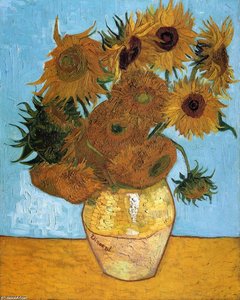
Sunflowers - Vincent van Gogh
Created in 1888, this iconic still life serves as a profound testament to the genius of Vincent van Gogh, a master born in the Netherlands whose work during the 1880s redefined the boundaries of Post-Impressionism. This piece, part of a series that captures the artist's intense emotional landscape, features a bouquet of sunflowers arranged in a ceramic vase against a pale blue backdrop. It is a quintessential example of how Dutch-born talent transformed traditional subjects into visceral experiences of light and vitality.
Van Gogh’s technique is defined by a heavy impasto application, where thick, rhythmic brushstrokes create a tactile, three-dimensional surface. These energetic marks do more than define form; they convey a sense of movement and life. While the vibrant yellows evoke adoration and the warmth of the sun, the organic, slightly drooping shapes of the petals introduce a subtle layer of melancholy, reflecting the duality of life and decay. Through this masterful use of color and texture, Van Gogh transcends mere representation to achieve a deep, subjective expression of existence.
Cafe Terrace on the Place du Forum, Arles, at Night - Vincent van Gogh
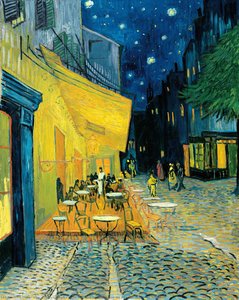 Cafe Terrace on the Place du Forum, Arles, at Night - Vincent van Gogh
Painted in 1888, this masterpiece serves as a profound testament to the expressive evolution of Dutch art during the 1880s. While the artist was working in Arles, his stylistic roots and the emotional intensity characteristic of his Dutch heritage are vividly present in this nocturnal scene. The work captures a café terrace on the Place du Forum, transforming a simple urban moment into a vibrant exploration of light and human connection.
The composition is defined by a striking juxtaposition of complementary colors. Intense, glowing yellows and oranges emanate from the café’s gas lamps, creating a warm, inviting sanctuary that contrasts sharply against the deep, swirling blues and purples of the night sky. Through the heavy application of impasto, the canvas gains a tactile, three-dimensional quality, where thick, energetic brushstrokes suggest the movement of air and the bustling energy of the street. Rather than mere optical realism, the painting prioritizes emotional resonance, using distorted perspectives and rhythmic lines to convey a sense of both cosmic vastness and intimate, human warmth. It remains a definitive example of how the decade's innovations pushed art toward a more subjective, soulful reality.
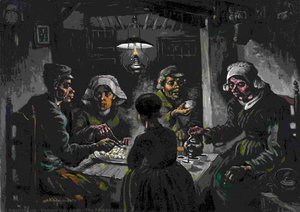
The Potato Eaters - Vincent van Gogh
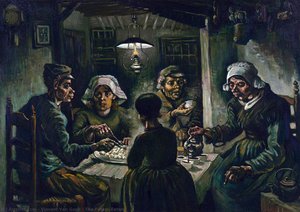 The Potato Eaters - Vincent van Gogh
Painted in 1885 during his time in Nuenen, The Potato Eaters stands as a profound testament to the Dutch artistic tradition of capturing the raw essence of human existence. This work, a cornerstone of the 1880s, showcases Vincent van Gogh's early mastery of a somber, earthy palette. Dominated by deep browns, sap greens, and dark blues, the composition reflects the harsh realities of rural life through a lens of intense realism.
The technique is characterized by a heavy, tactile impasto, where thick layers of oil paint build a sense of physical weight and texture. Under the dramatic, singular light of an oil lamp, the faces of the peasants are carved out of shadow, emphasizing their weary expressions and the ruggedness of their features. This use of light and shadow does not merely illuminate a scene; it serves as a social commentary on the dignity of toil. By eschewing idealization, Van Gogh uses these dark, heavy tones to convey the shared struggle and resilience of the working class, marking a pivotal moment in the evolution of Post-Impressionism within the Netherlands during this decade.
Van Gogh's Bedroom in Arles (First version) - Vincent van Gogh
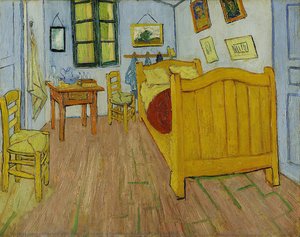 Van Gogh's Bedroom in Arles (First version) - Vincent van Gogh
Painted in October 1888, this work serves as a profound testament to the Dutch artistic evolution during the 1880s. As a quintessential masterpiece from this decade, it captures the artist's transition into a highly personal, subjective visual language. The scene depicts a simple bedroom interior in Arles, yet it transcends mere domesticity to become a psychological landscape. Through a flattened perspective and a deliberate departure from realistic proportions, the composition evokes a sense of intimate solitude.
The technical execution is defined by a heavy impasto technique, where thick, directional brushstrokes create a tactile, sculptural surface. This method allows the light to interact physically with the ridges of the paint, lending a soft, diffuse glow to the room. The color palette is a study in emotional contrast: vibrant yellows suggest a yearning for warmth and stability, while the deep blues and violets introduce a subtle, melancholic undertone. Every geometric form, from the rectangular bed to the floorboards, is defined by bold, expressive lines, transforming a private sanctuary into a powerful expression of the human spirit.
Starry Night Over the Rhone - Vincent van Gogh
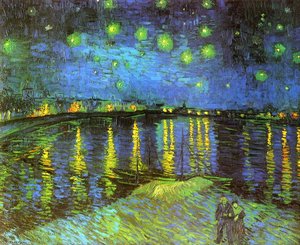 Starry Night Over the Rhone - Vincent van Gogh
Painted in September 1888, Starry Night Over the Rhone stands as a mesmerizing masterpiece that captures the enchanting allure of a nocturnal landscape. This work is a quintessential example of the artistic evolution seen in Dutch artworks of the 1880s, specifically through the lens of Vincent van Gogh. It showcases his unique ability to transform an ordinary scene along the Rhône River in Arles into an extraordinary vision of light and color.
The composition is masterfully balanced, dividing the view into a deep blue sky filled with swirling stars and the luminous reflections dancing upon the water below. Van Gogh utilizes a thick impasto technique, where heavy, expressive brushstrokes create a tactile sense of movement and energy. While the sky feels vast and mystical, the presence of two figures strolling along the riverbank adds a subtle touch of human connection to the tranquil setting. The dramatic contrast between the dark foreground and the glowing yellow city lights creates a symphony of color that defines the Post-Impressionist movement, moving beyond mere observation to convey a profound, subjective emotional experience.
Irises - Vincent van Gogh
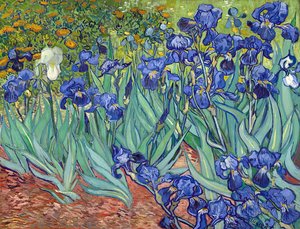 Irises - Vincent van Gogh
Painted in 1889, this masterpiece serves as a profound testament to the Dutch genius of Vincent van Gogh during his transformative period in Saint-Rémy. As a quintessential work from the 1880s, it captures the shift from traditional observation toward a deeply subjective, Post-Impressionist language. The composition is dominated by a dense, organic cluster of irises that seems to surge toward the viewer, breaking away from formal botanical studies to embrace a sense of untamed vitality.
Van Gogh’s technical mastery is evident in the heavy impasto, where thick, sculptural layers of oil paint create a tactile landscape of color. He utilizes a rich palette of indigo, cobalt, and cerulean to render the petals, contrasted against the earthy tones of a diagonal pathway. Rather than seeking photographic realism, the artist employs short, rhythmic brushstrokes to imbue the flowers with movement and emotional resonance. This work exemplifies how Dutch art of this decade moved beyond mere representation, using color and texture to translate the internal landscape of the artist onto the canvas.
The Red Vineyard [1888] - Vincent van Gogh
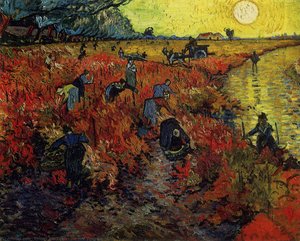 The Red Vineyard [1888] - Vincent van Gogh
Upon first glance, The Red Vineyard strikes the viewer with a vivid, dramatic palette of deep reds and ochres, capturing the fading light of an autumn afternoon. The eye is immediately drawn to the rhythmic movement of the scene: several workers are scattered throughout the field, tending to the crops alongside a horse that adds to the industrious agricultural atmosphere. These figures, rendered with bold, expressive brushstrokes, prioritize emotional resonance over strict realism, a hallmark of the Post-Impressionist movement.
This masterpiece belongs to the group of Dutch artworks of the 1880s as it represents a pivotal moment in the career of Vincent van Gogh. Painted in 1888, this work showcases the evolution of the Dutch artist's unique style, characterized by thick impasto and a luminous quality that seems to emanate from the canvas itself. By utilizing color and form to convey the essence of labor and the connection to the land, Van Gogh transformed a simple scene of viticulture into a profound exploration of light and human experience.
The Night Cafe - Vincent van Gogh
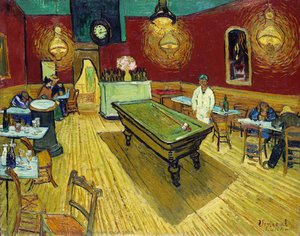 The Night Cafe - Vincent van Gogh
Painted in September 1888, The Night Cafe stands as a profound psychological study from the prolific period of Vincent van Gogh. As a seminal work by a master born in the Netherlands, this piece exemplifies the transition of Dutch artistic influence into the radical language of Post-Impressionism. Rather than merely documenting a billiard café, Van Gogh utilizes the space to explore the darker, more melancholic facets of the human condition, including themes of isolation and alienation.
The composition is defined by a deliberate distortion of perspective and a vibrant, almost clashing palette of reds and yellows. His signature impasto technique is on full display here; the paint is applied in thick, swirling layers that create a palpable, tactile surface. These expressive brushstrokes do more than define form—they imbue the nocturnal scene with a restless, agitated energy. The dramatic lighting, emanating from hanging lamps, casts deep shadows that heighten the sense of unease. Through this masterful manipulation of color and texture, Van Gogh transforms a mundane social setting into a haunting vision of nocturnal life, marking a pivotal moment in the evolution of late 19th-century art.
Skull with Burning Cigarette - Vincent van Gogh
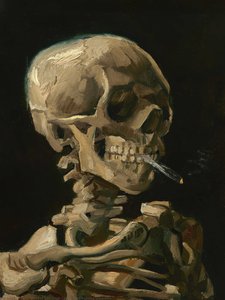 Skull with Burning Cigarette - Vincent van Gogh
Vincent van Gogh’s 1886 oil study, Skull with Burning Cigarette, stands as a profound testament to the evolving Dutch artistic consciousness of the 1880s. Created during his formative years in Antwerp, this work marks a departure from traditional academic anatomical studies, moving toward a deeply personal and expressive mode of seeing. By juxtaposing the timeless, morbid symbol of the skull with the contemporary, transient act of smoking, Van Gogh introduces a sense of dark humor and existential defiance to the classical vanitas tradition.
The painting is characterized by a dramatic, high-contrast lighting that carves out the bone's contours through deep shadows and sharp edges. His burgeoning Post-Impressionist style is evident in the heavy, textured application of paint, utilizing an impasto technique that gives the skeletal form a tactile, physical presence. The palette is dominated by somber, earthy tones—ochre, beige, and grey—which emphasize the themes of decay and mortality. Through these vigorous, visible brushstrokes, the artist transforms a simple study of bone into a melancholic meditation on the fleeting nature of life.
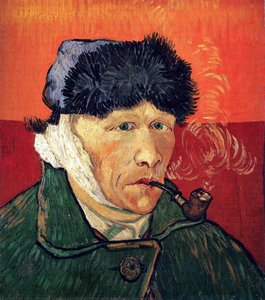
Self Portrait - Vincent van Gogh
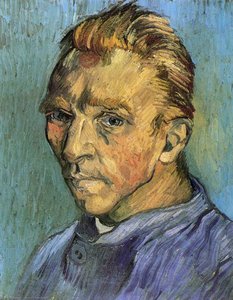 Self Portrait - Vincent van Gogh
Created during the twilight of the 1880s, this profound self-portrait serves as a cornerstone of Dutch artistic output from this decade. Painted in 1889 while the artist was residing at the Saint-Paul-de-Mausole asylum in Saint-Rémy, the work represents a peak in his psychological exploration. It is a raw, honest portrayal of vulnerability and artistic fervor, moving beyond mere likeness to capture an internal state of being.
The technical execution exemplifies the Post-Impressionist mastery that defined his late-century evolution. Using a heavy impasto technique, the artist applied thick, visible brushstrokes that create a rich, tactile surface. These energetic, short strokes swirl around the subject, mirroring a sense of contained energy and turbulent emotion. The color palette relies on a dramatic tension between warm, earthy ochres and yellows used for the facial features and a cool, teal-blue backdrop. This high-contrast composition, focused tightly on the head and shoulders, forces a direct, intense gaze upon the viewer, making the work an intimate study of the human condition through the lens of Dutch expressive tradition.
Conclusion
The Dutch masterpieces of the 1880s represent a transformative era where the foundations of modern expressionism were laid through intense color and emotional depth. From the swirling, rhythmic brushwork of Vincent van Gogh to the evocative landscapes that define the decade, these works capture a pivotal shift in how light and texture are used to convey the human experience. Each piece contributes a unique layer to this historical movement, bridging the gap between traditional realism and the bold, emotive styles that would eventually reshape the art world.
At Mus3ums.com, we invite you to bring this profound legacy into your own space. Whether you are a dedicated collector or looking to enhance your interior decor, you can experience these iconic moments through our museum-quality, hand-painted oil reproductions. Explore our full collection and find the perfect piece to live with for generations.