
Et levende monument for katalansk styre
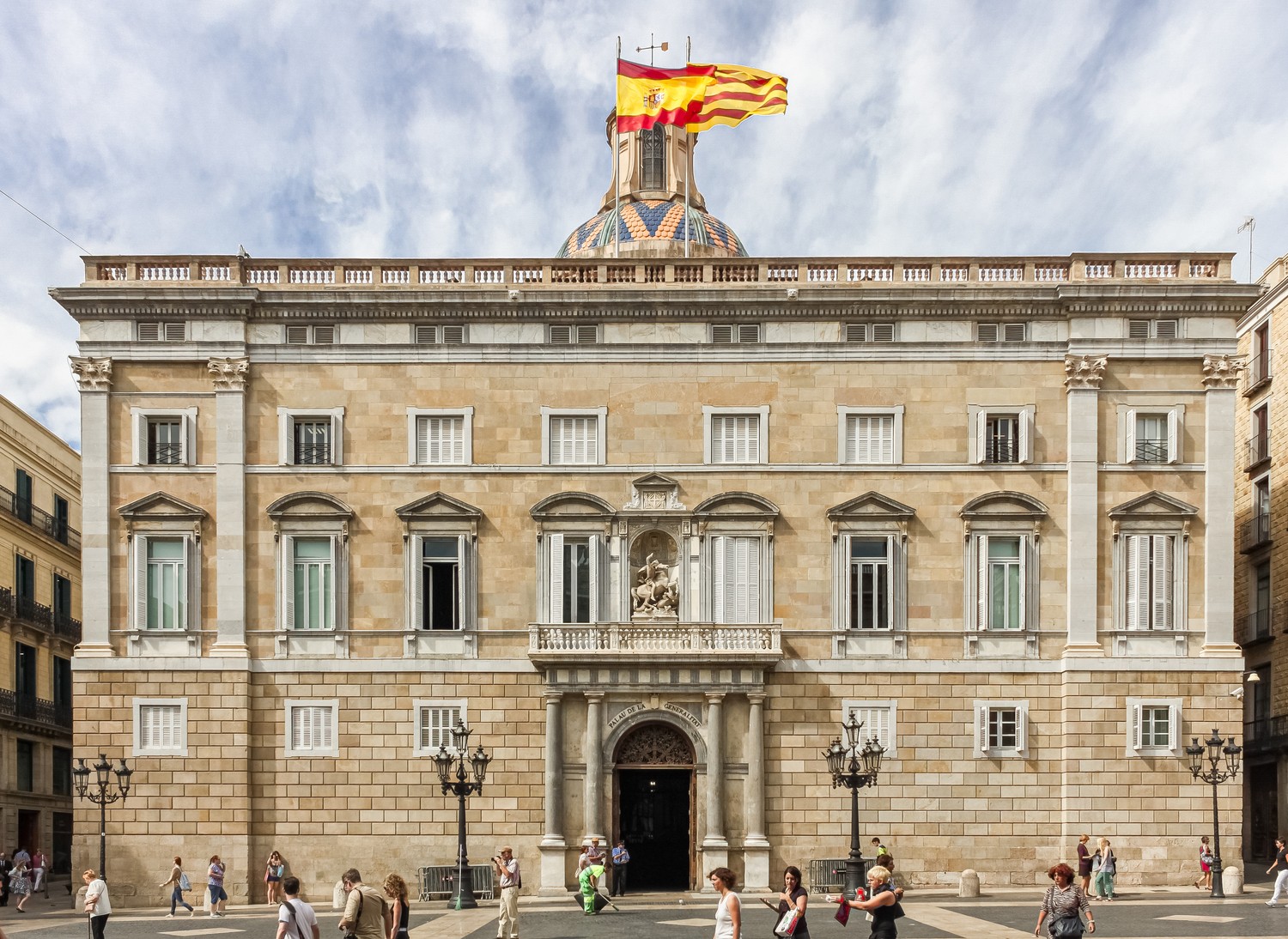
I hjertet af Barcelona, i det historiske kvarter Ciutat Vella, troner Palacio de la Generalitat de Catalunya , en bygning der tjener som langt mere end blot et sæde for politisk magt. Det er en af Europas sjældne og prestigefyldte arkitektoniske perler, hvor en bygning af middelalderlig oprindelse fortsat fungerer som det aktive hjerte i den institution, den blev bygget til at huse. At vandre gennem dens sale er at rejse gennem århundreder af politisk evolution, fra skyggerne af de katalanske domstole i det 13. århundrede til lyset fra moderne selvstyre. Paladset, der huser kontorerne for præsidentembedet i Generalitat de Catalunya, fungerer som et tavst vidne til historiens skiftende tidevand og legemliggør det katalanske folks modstandskraft og identitet.
Arkitekturen i sig selv er en bjergtagende dialog mellem epoker. Selvom paladsets rødder er dybt forankret i middelalderen, findes dets mest slående visuelle udtryk i hovedfacaden mod Plaça de Sant Jaume. Denne storslåede renæssancefacade, tegnet af Pere Blai i 1596, repræsenterer den første store anvendelse af denne æstetik i Catalonien og tilbyder en følelse af klassisk orden og prestige, der dominerer pladsen. Denne arkitektoniske storhed komplementeres af integrationen af forskellige historiske huse, som er blevet erhvervet over tid, hvilket skaber en kompleks, lagdelt struktur, der spejler regionens indviklede historiske gobelin.
Et fristed for kulturarv og kunstnerisk snilde
Udover sine administrative funktioner fungerer Palacio de la Generalitat som et dybtgående depot for historisk og kunstnerisk betydning. Det er et sted, hvor traditionens tyngde er mærkbar i hver eneste sten og udskårne detalje. For kunstelskere eller historikere tilbyder bygningen et indblik i de forgangne århundreders dekorative mesterskab, især gennem foreningen af religiøs og borgerlig pragt. Tilstedeværelsen af Skt. Georgs kapel, opført i 1434 af biskop Marc Safont, tilfører paladset en hellig dimension, hvor krydsfeltet mellem spirituel hengivenhed og statsførelse manifesteres fysisk.
De indre rum er karakteriseret ved en udsøgt blanding af stilarter, der ville fange enhver kender af klassisk design. Besøgende og iagttagere kan finde inspiration i følgende elementer:
- Den renæssancefacade , et mesterværk af arkitektonisk overgang, der definerer Barcelonas bybillede.
- Det historiske Skt. Georgs kapel , som står som et vidnesbyrd om den vedvarende religiøse arv, der er vævet ind i det katalanske styres fundament.
- De middelalderlige fundamenter og strukturelle udvidelser, der afspejler den organiske vækst af et magtcentrum gennem hundreder af år.
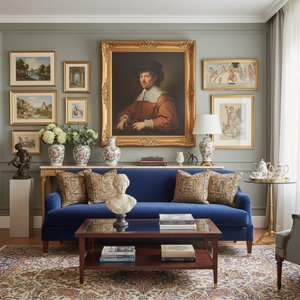
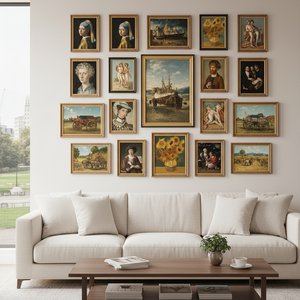
For indretningsarkitekter og dem, der drages mod antikkens æstetik, tilbyder paladset en uendelig kilde til inspiration. Måden lyset interagerer med renæssancens sten på, og hvordan historiske lag bevares inden for rammerne af et funktionelt, moderne kontormiljø, skaber en unik atmosfære af tidløshed . Det er et sted, hvor fortidens ekkoer—fra de tidlige dekreter i de katalanske domstole til den nutidige præsidentpost—fortsætter med at forme nutidens kreative og politiske visioner.