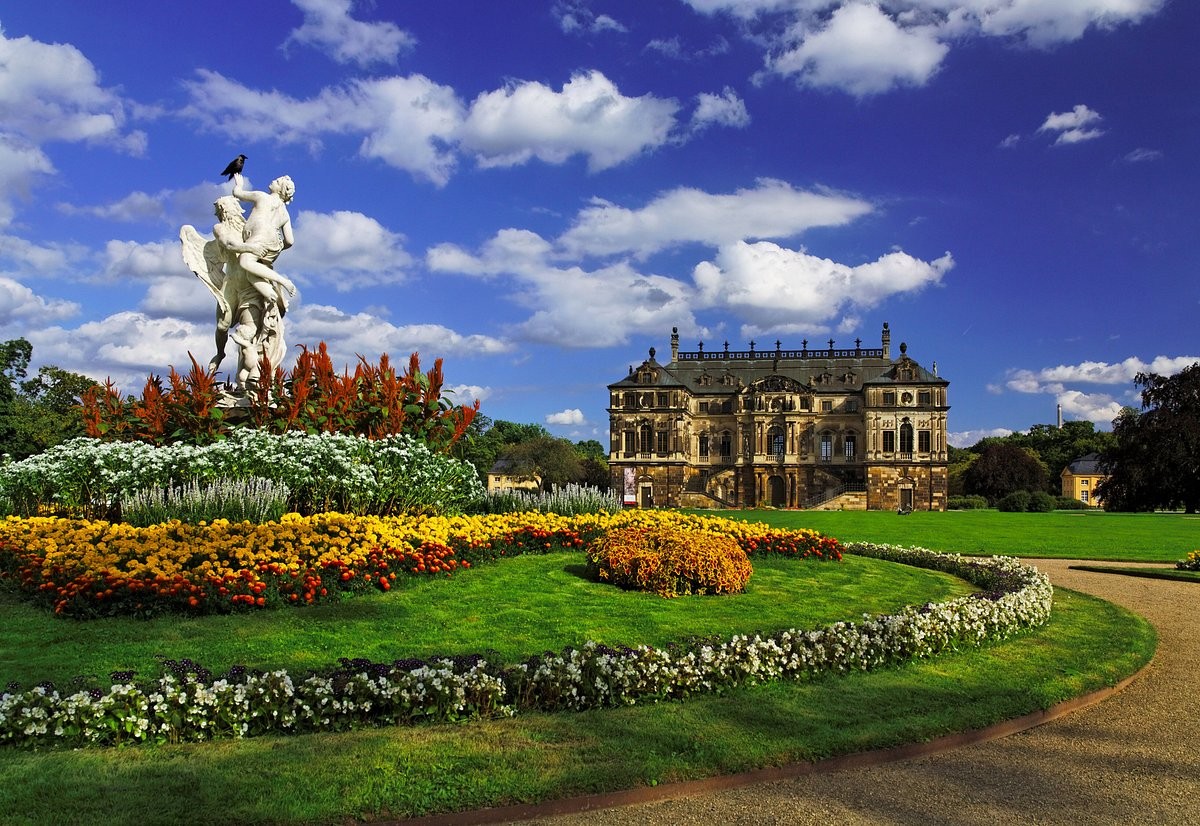
Grosser Garden

Kort fortalt

  • Works on APS: 1
  • Location: Dresden, Germany
  • Featured artists: Antonio Corradini
  • Alternate names:
    • Großer Garten
    • Grand Garden of Dresden
    • []

Kunstquiz

Der er kun ét korrekt svar på hvert spørgsmål.

Spørgsmål 1:
The Grosser Garten Dresden is located in which country?
Spørgsmål 2:
What type of landscape primarily characterizes the Grosser Garten?
Spørgsmål 3:
The Grosser Garten was originally designed as:
Spørgsmål 4:
Which historical figure is closely associated with the creation of the Grosser Garten?
Spørgsmål 5:
The Grosser Garten is a significant example of:

A Baroque Masterpiece Carult from the Saxon Landscape

Nestled within the heart of Dresden, the Großer Garten stands not merely as a park, but as a meticulously choreographed stage where the grandeur of the Baroque era meets the untamed beauty of nature. Conceived under the ambitious gaze of August the Strong, Elector and King of Saxony, this sprawling thirty-hectare expanse was designed to serve as an outdoor extension of the opulent palace life. The garden’s genesis in the early eighteenth century reflects a profound philosophical desire to bridge the gap between the structured elegance of man-made artifice and the organic rhythms of the natural world. Through the masterful hand of landscape architect Johan Friedrich Hüber, the grounds emerged as a sophisticated blend of Italianate precision and traditional German charm, creating a space where every path and parterre tells a story of royal prestige and artistic devotion.

A Symphony of Form, Water, and Light

To wander through the Großer Garten is to experience a sensory symphony, where the architecture of the landscape dictates a rhythmic movement of light and shadow. The heart of the garden is defined by its formal gardens, characterized by geometric parterres and meticulously clipped hedges that showcase the era's obsession with symmetry and order. Here, the interplay of water features adds a dynamic layer to the visual composition; the iconic Neuer Brunnen serves as a centerpiece, its elaborate sculptures of mythological figures dancing amidst the spray of fountains. These aquatic elements, along with a network of tranquil canals and reflecting pools, create a constant, soothing murmur that complements the silent majesty of the surrounding statuary. For the discerning eye, the garden offers a masterclass in composition, where the controlled beauty of the formal sections gradually gives way to more naturalistic groves and meandering paths, inviting a deeper exploration of the tension between human design and wild spontaneity.

The Resilience of a Living Legacy

Beyond its aesthetic splendor, the Großer Garten holds a profound historical weight, serving as a silent witness to the turbulent chapters of Dresden’s history. It has transitioned from a venue for extravagant courtly masked balls and military parades to a vital refuge during the devastating aerial bombardments of World War II. The remarkable restoration of its landscape following the war is a testament to the enduring spirit of Saxony and a commitment to preserving cultural heritage. Today, the garden remains a living canvas, hosting temporary exhibitions that breathe new life into its historic setting and inviting visitors to step through time. It is this unique ability to harmonize historical gravity with contemporary vitality that makes the Großer Garten an essential destination for those who seek beauty that is both timeless and profoundly moving—a true jewel in the crown of Dresden’s cultural landscape.
© 2026 mus3ums.com