A Legacy Forged in Art and Industry: Exploring the MAK
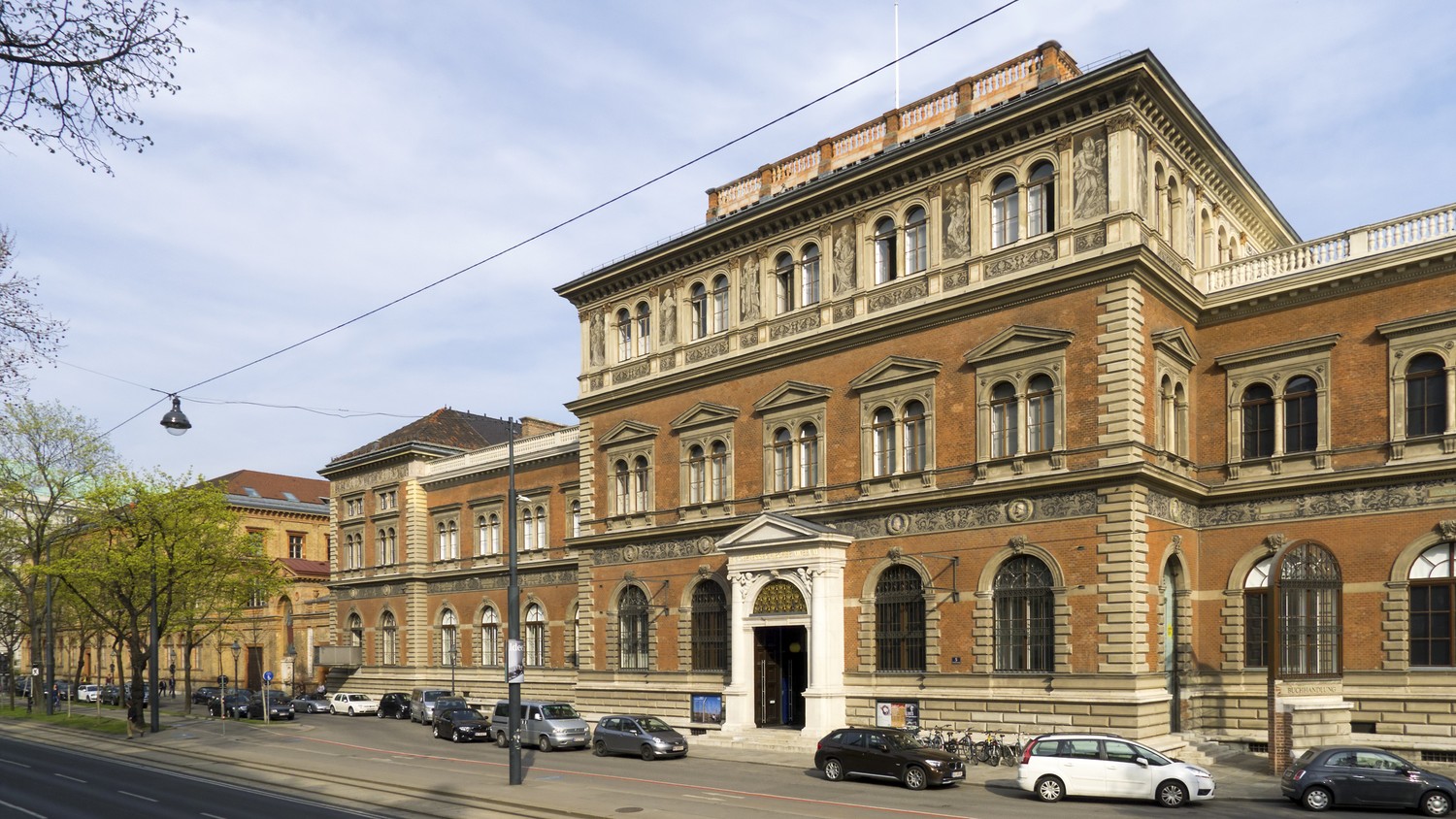
Vienna’s MAK – Museum of Applied Arts – is far more than just a collection of beautiful objects; it's a vibrant testament to Austria’s profound belief in the harmonious marriage of art, industry, and everyday life. Established in 1863 by Emperor Franz Joseph I, the museum emerged from a desire to elevate craftsmanship and fundamentally reshape how society perceived the role of artistic production. From delicate medieval textiles whispering tales of bygone eras to cutting-edge contemporary installations that challenge our very notions of design, the MAK’s holdings span centuries, creating a dynamic dialogue between the past, present, and future – a place where one can truly contemplate what it means to create a world worthy of inhabiting. The museum's story is inextricably linked to its magnificent building, designed by Heinrich von Ferstel, an architectural masterpiece that embodies the grandeur and stylistic aspirations of Vienna’s Belle Époque, mirroring the South Kensington Museum in London as a beacon for applied arts education and research.
-
The Wiener Werkstätte:
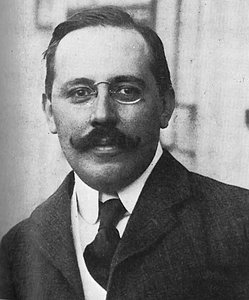
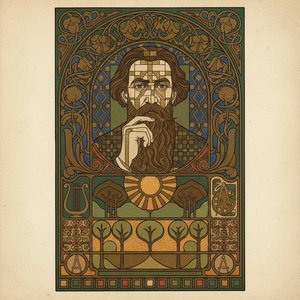
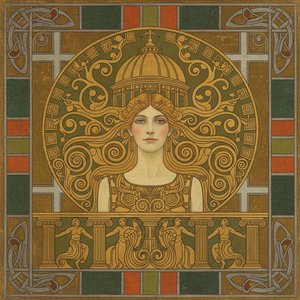
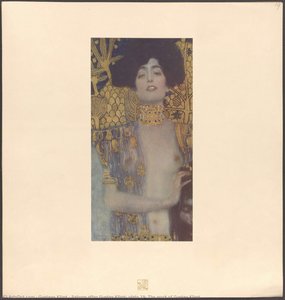
At the heart of the MAK's renown lies its unparalleled collection stemming from the *Wiener Werkstätte* (Vienna Workshops), founded in 1903. This groundbreaking movement, spearheaded by figures like Koloman Moser and Josef Hoffmann, wasn’t merely about producing beautiful things; it was a radical reimagining of art’s purpose within society. The Werkstätte championed the concept of *Gesamtkunstwerk* – a “total work of art” – where every element, from the grandest architectural detail to the smallest ceramic embellishment, contributed to a unified and harmonious aesthetic experience.
-
A Tapestry of Craftsmanship:
Stepping into the MAK’s galleries is akin to entering a meticulously crafted world. Opulent textiles boasting bold geometric patterns dance alongside exquisitely formed ceramics adorned with intricate floral motifs. The furniture designs of Josef Hoffmann, characterized by their uncompromising pursuit of simplicity and elegance, stand as enduring symbols of the era's commitment to refined living.
-
Beyond the Werkstätte:
While the *Wiener Werkstätte* holds a central place, the MAK’s scope extends far beyond this iconic collection. Masterpieces of glassware by Alois Weiβberger and Johann Koller shimmer with delicate artistry, reflecting the innovative techniques of the time. Contemporary works continue to push boundaries and provoke thought, ensuring that the museum remains a dynamic hub for artistic exploration and experimentation.
An Architectural Jewel: Ferstel’s Vision Realized
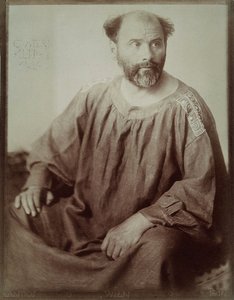
The MAK building itself is an integral part of its story – a magnificent architectural statement conceived by Heinrich von Ferstel. Completed in 1871, it stands as a testament to the grandeur and stylistic aspirations of Vienna's Belle Époque, mirroring London’s South Kensington Museum (now the Victoria & Albert Museum) as a beacon of applied arts education and research. The façade is an immediate spectacle: adorned with monumental Corinthian columns and intricate decorative friezes, it’s itself a work of art, graced by sculptures from Gustav Klimt and Josef Maria Olbrich – titans of Vienna's vibrant cultural landscape. Walking through its halls isn’t simply about viewing art; it’s about experiencing the artistry embedded within the very structure that houses it. The building speaks to a time when museums were conceived as palaces for learning, spaces designed to inspire awe and cultivate an appreciation for beauty in all its forms – a deliberate fusion of function and aesthetic splendor.
Pioneering Spirit: From Bitcoin Acquisitions to Immersive Installations
The MAK isn’t content to remain a static repository of the past; it actively shapes the future of art and museum practice, demonstrating a truly pioneering spirit. In 2015, the museum made history by becoming the first globally to utilize Bitcoin for acquiring art – purchasing “Event listeners” by van den Dorpel, a bold statement about the evolving relationship between art, technology, and finance. This commitment to innovation extends far beyond this single transaction. The MAK’s exhibitions frequently tackle complex societal themes, prompting critical reflection on contemporary issues. Recent shows like "BLOCKCHAIN:UNCHAINED" have interrogated the transformative potential of blockchain technology within the art world, while collaborations with artists such as James Turrell have resulted in mesmerizing installations – most notably “MAKlite” – transforming the museum’s courtyard into a captivating sensory experience through precisely calibrated LED lighting. The MAK fearlessly challenges conventions and invites visitors to engage with art in entirely new and unexpected ways.
A Digital Gateway: Expanding Access to Artistic Heritage
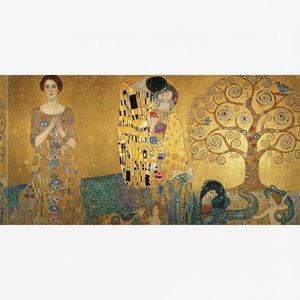
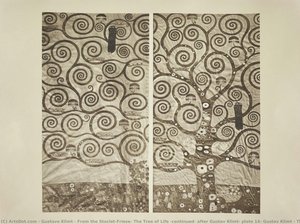
Beyond its physical walls, the MAK extends its reach through an expansive digital presence, making its treasures accessible to a global audience. With over 300,000 objects digitized and presented online, it boasts the largest online collection within Austria’s Federal Museums – a veritable treasure trove of artistic heritage. Complementing this digital exploration is an interactive web-based audio guide app, designed to enrich visitor understanding with detailed narratives and expert commentary. Whether captivated by Viennese Art Nouveau or intrigued by the evolution of design principles across eras, the MAK offers an unforgettable journey into the heart of artistic innovation and cultural heritage – a journey that now extends far beyond the boundaries of Vienna itself. The museum’s dedication to accessibility ensures that art history is no longer confined within the walls of its building but can be experienced and studied by anyone with an internet connection.