
A Royal Legacy Enshrined in Baroque Splendor
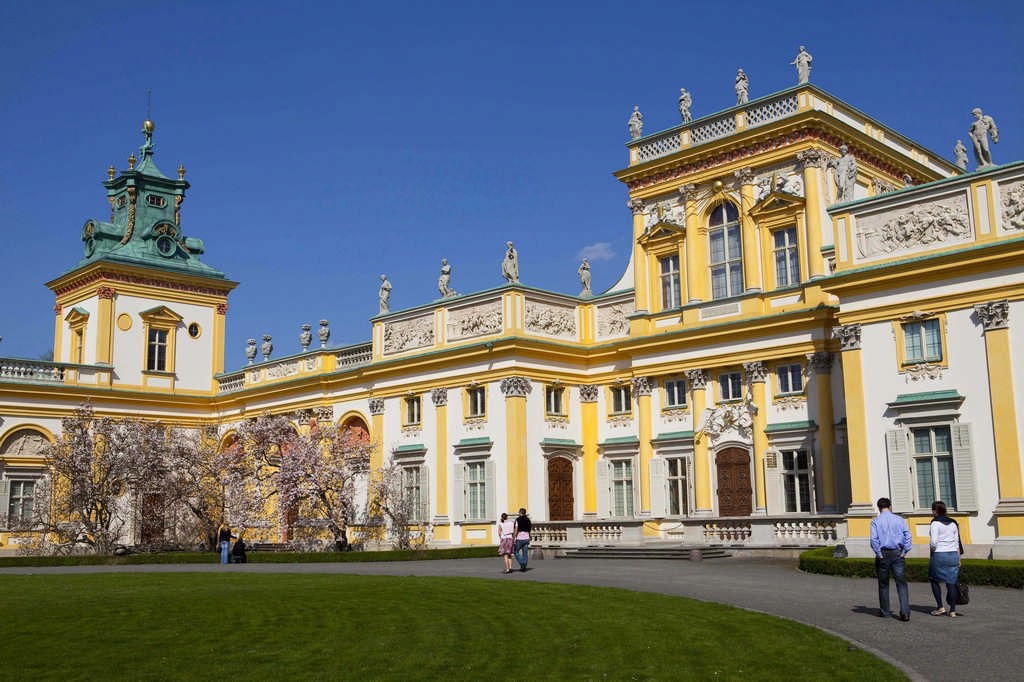
To step through the gates of the Muzeum Pałacu Króla Jana III w Wilanowie is to transcend the modern bustle of Warsaw and enter a living chronicle of Polish majesty. This historic palace complex, originally conceived as a serene summer retreat for King John III Sobieski in the late 17th century, serves as much more than a mere repository for relics; it is a breathtaking architectural symphony where history and art breathe in unison. The estate’s evolution is etched into its very walls, beginning with the grand, ornamental flourishes of the Baroque era that celebrate the King's triumphs, later softening into the delicate, asymmetrical charm of Rococo under Augustus II, and eventually embracing the poised rationality of Neoclassicism. For the art lover, this architectural journey offers a tactile sense of how European aesthetic ideals shifted through the centuries, all while maintaining the soul of a royal residence.
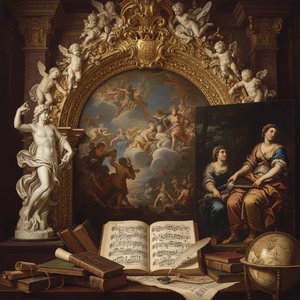
The museum’s collection is a curated voyage through the heights of European and Polish artistic achievement, offering profound inspiration for collectors and interior designers alike. Within its opulent halls, one encounters a stunning panorama of masterpieces that define entire eras. The walls are graced by the commanding presence of Jacques-Louis David, whose Neoclassical precision is epitomized in the Portrait of Count Stanislas Potocki , a work that captures aristocratic elegance with an almost sculptural perfection. This grandeur is balanced by the intimate, luminous textures of Baroque still lifes, such as the captivating works by Abraham Mignon, where light dances across meticulously rendered flora and fauna. The collection further enriches itself with the diverse influence of global trade, evidenced by treasures like the Japanese nanban table, its surface shimmering with mother-of-pearl, a testament to the Enlightenment-era fascination with the exotic and the far reaches of the known world.
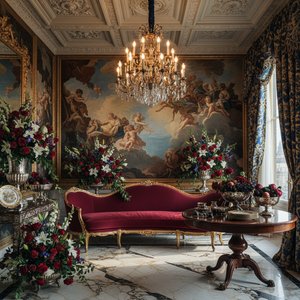
Beyond the canvas, the museum invites a sensory exploration of decorative arts that once adorned the lives of monarchs. The interiors are a masterclass in texture and prestige, featuring gilded furniture, intricately patterned ceramics, and sumptuous textiles that evoke the sheer opulence of the Polish-Lithuanian Commonwealth. To wander through these rooms is to encounter the personal echoes of Queen Marie Casimire Sobieska, whose royal memorabilia provides an intimate, humanizing glimpse into a life of profound political and social significance. This collection of Sarmatian art—a unique expression of the Polish nobility's distinct cultural identity—offers a rare opportunity to witness a fusion of Eastern influence and Western tradition that is found nowhere else in Europe.
The experience of Wilanów reaches its crescendo in the meticulously reconstructed Baroque gardens, where the boundary between man-made art and natural beauty dissolves. These sprawling, manicured grounds were designed to reflect the harmony of the cosmos, providing a tranquil, verdant backdrop that complements the palace's architectural rigor. For the visitor, the gardens are not merely an adjunct to the museum but an essential component of its holistic narrative, offering panoramic vistas that frame the palace in a state of eternal grace. It is this seamless integration of architecture, fine art, and landscape design that makes Wilanów a singular destination—a place where the spirit of a bygone era remains vibrantly, beautifully alive.