

The History of Ostrobothnian Museum
The Ostrobothnian Museum was established in 1895. Located in Marianpuisto, Vaasa, the institution began its work during a period of significant regional development. Following its founding, the museum underwent several stages of formal recognition and administrative transition. The building was inaugurated in June 1930, providing a permanent space for the collections held within the city.
The institution's status evolved through the latter half of the twentieth century. In 1981, it was designated as a provincial museum. Two years later, in 1983, the museum received the title of regional art museum. This designation reflected its growing importance to the local art landscape. In 1990, the City of Vaasa assumed responsibility for the museum's operations, staff, and collections.
The Museum Building and Architecture
The museum is situated in Marianpuisto, Vaasa. The primary building was designed by architect Eino Forsman and was completed in 1929. This structure houses the permanent collections and provides the foundation for the museum's presence in the region.
As the institution's requirements grew, a new exhibition wing was added to the site. This expansion was designed by architect Erik Kråström and reached completion in 1969. The addition allows for the hosting of the three to five temporary exhibitions held annually, alongside the permanent displays of cultural history and natural science.
The Hedman Floor Collection
The Hedman Floor contains the Karl Hedman collection, which forms a significant part of the museum's holdings. This assembly includes a variety of fine art alongside historical objects. Visitors can observe Finnish and foreign silverware, ceramics, and various antique objects arranged within the space. The selection reflects the personal interests of Dr. Karl Hedman and his wife, Elin, who donated these items to the Hedman Foundation.
The collection features several notable works of art. These include paintings by various artists that illustrate different phases of European culture. The presence of Dutch and Flemish works provides a specific historical context to the floor's arrangement. Among the items on display are:
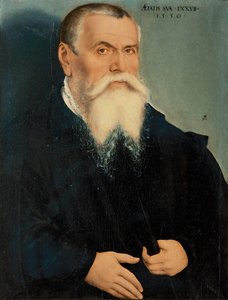
- Allegory of Justice, about 1537 - Lucas Cranach the Elder
- Akseli, 1897 - Hugo Simberg
- Poppy, 1896 - Hugo Simberg
- The Bakery, 1887 - Helene Schjerfbeck
- One-Eyed Karelian, 1879 - Albert Edelfelt
- Returning from Work, 1907 - Pekka Halonen
The arrangement of these pieces allows for a direct comparison between local Finnish art and foreign traditions. The silverware and ceramics are positioned alongside these paintings, integrating decorative arts with fine art. This integration is a central feature of the floor's layout.
Major Acquisitions and Donations
The foundation of the museum's permanent holdings is closely linked to the activities of the Hedman Foundation, which was established in 1931. This foundation played a central role in the accumulation of significant art and antiquities. In 1997, the collections held by the Hedman Foundation were formally donated to the City of Vaasa, ensuring their continued preservation and public access.
Beyond fine art, the museum's holdings include specialized historical collections. These include the Hallberg money collection and the Paavo Aikio money collection. These acquisitions contribute to the breadth of the museum's historical and cultural material.
Art and Cultural Collections
The museum holds a significant selection of Finnish painting, featuring works by Ferdinand von Wright, Albert Edelfelt, and Akseli Gallen-Kallela. These pieces are held alongside the works of Pekka Halonen and Tyko Sallinen. The collection also includes paintings by Helene Schjerfberg and Fanny Churberg, whose work is noted for its connection to the natural world and its focus on landscapes and still lifes.
Beyond Finnish national art, the holdings include foreign works dating from the 15th to the 17th century. These historical pieces are displayed alongside local cultural artefacts and folk art from the Ostrobothnia region. The museum's permanent exhibitions integrate these various eras to provide a view of the artistic development within the area.
- Allegory of Justice, about 1537
- Akseli, about 1897
- Poppy, about 1896
- The Bakery, about 1887
- One-Eyed Karelian, about 1879
- Returning from Work, about 1907
Exhibitions and Natural Science
The museum maintains a rotating program of three to five temporary exhibitions annually. These seasonal displays complement the permanent collections by addressing contemporary themes and specific historical periods. The exhibition schedule is designed to provide a varied perspective on the regional and cultural history of Ostrobothnia.
The Terranova exhibition focuses on the natural environment and the world heritage of the Kvarken Archipelago. This installation provides information regarding the specific ecological characteristics of the region. Alongside these natural history displays, the Vaasa 400 exhibition narrates the history of Vaasa from its foundation through the 1920s. This narrative provides context for the development of the city and its surrounding coastal communities.
Recent and Upcoming Projects
The museum's programming for 2025 includes seven new temporary exhibitions. These presentations will focus on local and Nordic contemporary art. A significant portion of the upcoming season is dedicated to the work of Inkeri Julkunen. The exhibition will examine her output from the 1970s through the 1990s, featuring her oil and acrylic paintings alongside three-dimensional pieces. This focus on naive art will be a central theme during the summer months.
The autumn season will feature a comprehensive solo exhibition by Jan Olof Mallander. This exhibition highlights a long career within the Finnish art world, including a focus on the artist's role in the evolution of Finnish avant-garde and conceptual art. The program also includes a touring exhibition that will move throughout the region. These projects continue the museum's commitment to presenting diverse artistic movements and significant figures from the Finnish art landscape.