A Legacy of Likeness: The World of François Clouet
François Clouet, a name synonymous with the refined portraiture of the French Renaissance, emerged from a lineage steeped in artistic skill and courtly favor. Born around 1510 in Tours, France, his life unfolded against a backdrop of evolving artistic sensibilities and the opulent world of the Valois monarchy. He wasn’t merely a painter; he was a chronicler of an era, capturing the essence of kings, queens, and courtiers with a meticulousness that continues to captivate viewers today. The shadow of his father, Jean Clouet, loomed large – both artists shared not only a profession but also the familiar nickname ‘Janet,’ leading to occasional confusion in attributing their works across generations. Yet, François carved his own distinct path, blending Flemish naturalism with an emerging Italianate grace, and establishing himself as one of France’s most celebrated portraitists.Inheriting a Tradition: Early Life and Artistic Formation
The early years of François Clouet remain somewhat veiled in historical obscurity, but his artistic trajectory was undeniably shaped by the legacy of his father. Jean Clouet, originating from the Southern Netherlands, brought with him to the French court the meticulous detail and realistic approach characteristic of Flemish painting. This foundation formed the bedrock of François’s training. A pivotal moment arrived in 1541 when François inherited his father's estate, formally stepping into his artistic inheritance and assuming the responsibilities that came with it. This wasn’t simply a transfer of property; it was an assumption of a role within the very fabric of the French court. The Clouet family also enjoyed a unique connection to the Italian Renaissance through Jean’s time in Amboise, exposing François to the burgeoning ideals and innovative techniques emanating from Italy – a subtle but significant influence that would later manifest in his work. He absorbed not just technique, but an understanding of how art could serve as both documentation and celebration of power and status. He mastered the Flemish style, diligently studying the works of Hans Holbein the Younger, whose masterful draughtsmanship mirrored Clouet’s own dedication to precision and anatomical accuracy.The Art of Revelation: Style and Major Works
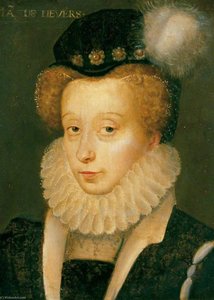
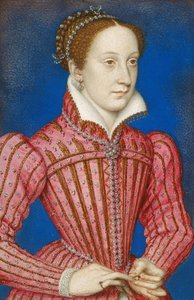
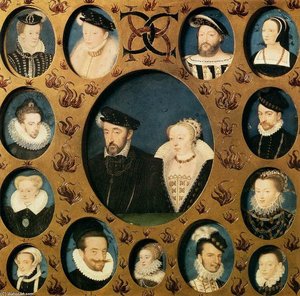
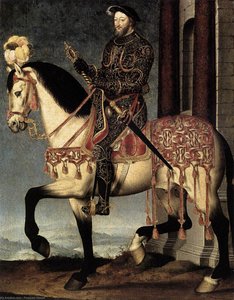
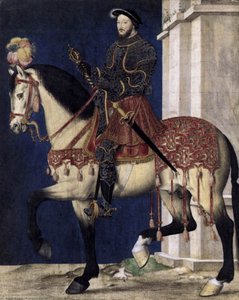
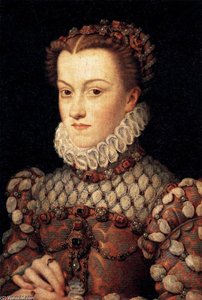
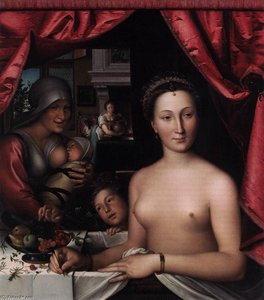
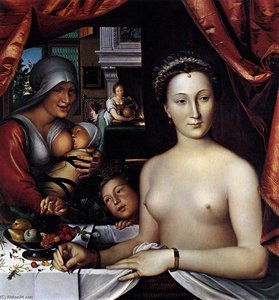
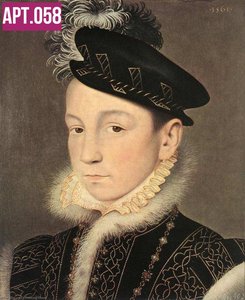
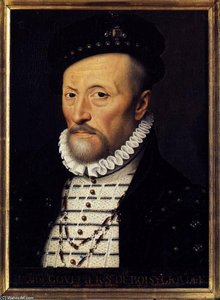
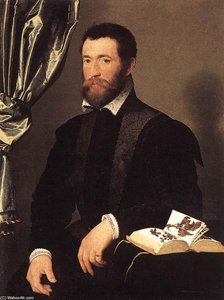
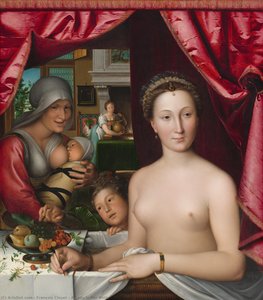
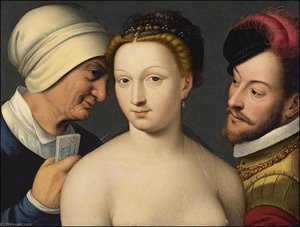
François Clouet’s distinctive artistic vision was characterized by an unwavering commitment to realism and elegance. His portraits weren't merely representations of physical appearance; they were profound explorations of character, conveying not only facial features but also psychological nuance—a hallmark of Renaissance humanist thought. He achieved this remarkable feat through a masterful manipulation of light and shadow (*chiaroscuro*), subtly enhancing the contours of his subjects’ faces and garments. His meticulous attention to detail extended beyond mere depiction; it encompassed every element of the composition, from drapery folds to jewelry embellishments—creating immersive visual experiences that reflected the grandeur of the royal court. Among his most celebrated achievements were depictions of Francis I – notably the iconic portrait housed in the Louvre Museum, which exemplifies Clouet’s ability to capture regal dignity and authority with breathtaking subtlety. He also immortalized Catherine de' Medici, portraying her with dignified grace—a testament to his skill in conveying aristocratic composure. Furthermore, he undertook commissions for numerous prominent figures of the era, documenting their likenesses with unwavering accuracy and artistic finesse.A Defining Aesthetic: Characteristics of Clouet’s Art
Several stylistic traits distinguished François Clouet's oeuvre from that of his contemporaries. His drawings possessed an unparalleled level of anatomical precision—reflecting a deep understanding of human anatomy gleaned from classical texts and observation—demonstrating a mastery of draughtsmanship that underpinned his artistic vision. Unlike Holbein, whose drawings prioritized linear perspective and dramatic composition, Clouet’s sketches favored delicate hatching techniques—creating subtle gradations of tone that conveyed depth and volume with remarkable finesse. His paintings were imbued with an understated elegance—characterized by restrained color palettes and harmonious compositions—reflecting the refined sensibilities of the French court. He skillfully employed *chiaroscuro*, subtly modulating light and shadow to sculpt the forms of his subjects—enhancing their visual impact without resorting to theatrical contrasts. This meticulous approach ensured that each portrait conveyed not only likeness but also a sense of inner life—capturing the essence of his subjects’ personalities with profound insight.A Lasting Impression: Historical Significance and Legacy
François Clouet's contribution to French Renaissance art is undeniable. He established portraiture as a dominant genre in France, elevating the status of the artist and providing invaluable visual records of the royal court—a legacy that continues to inspire admiration centuries later. His stylistic innovations influenced subsequent generations of painters—solidifying his place as one of the foremost figures in French artistic history. Clouet’s meticulous drawings and paintings stand as enduring symbols of Renaissance artistry—testaments to his unwavering dedication to precision, elegance, and psychological insight. He died on December 22, 1572, marking the end of an era—a poignant reminder that even the most brilliant artistic minds eventually succumb to time's relentless march. His legacy persists in the masterpieces he created—works that continue to captivate viewers with their beauty and intellectual depth—affirming his enduring significance as a pivotal figure in French cultural heritage.Ερωτήσεις και Απαντήσεις
Από πού προέρχεται ο/η Φρανσουά Λεμόν;
Ο/Η Φρανσουά Λεμόν γεννήθηκε στην/στη Γαλλία.
Πού και πότε γεννήθηκε ο/η Φρανσουά Λεμόν;
Ο/Η Φρανσουά Λεμόν γεννήθηκε στην/στη Τούρ το 1510.
Με τι άλλα ονόματα ή ψευδώνυμα είναι γνωστός/η Φρανσουά Λεμόν;
Ο/Η Φρανσουά Λεμόν αναγνωρίζεται και με τα εναλλακτικά ονόματα François Clouet, Janet.