Μιχαήλ Κωνσταντίνος Τσιρλόνιος

1875 - 1911

Συνοπτικά Στοιχεία

  • Corpus themes:
    • lithuanian folklore
    • symbolism
    • lithuanian identity
    • symbolist landscape
    • spiritual reflection
  • Museums on APS: Εθνικό Μουσείο Τέχνης M. K. Čiurlionis
  • Top-ranked work: Funeral Symphony. VII from the cycle of 7 paintings
  • Works on APS: 173
  • Vibe:
    • μυστηριώδες
    • αιθέριος
  • Topics explored:
    • symbols
    • sea
    • lithuanian art
    • symbolism
    • mountains
  • Color intensity:
    • έντονο
    • ισορροπημένο
  • Best occasions: ατμόσφαιρα
  • Died: 1911
  • Movements: symbolism
  • Περισσότερα…
  • Nationality: Λιθουανία
  • Copyright status: Public domain
  • Born: 1875, Σιάουλις, Λιθουανία
  • Emotional tone: μυστηριώδης
  • Lifespan: 36 years
  • Art period: Μοντέρνα
  • Typical colors:
    • γήινοι
    • σκούρα χρώματα
  • Room fit: καθιστικό
  • Creative periods: mature period
  • Also known as: Μίκολαιος Κωνσταντινος Τζουρλανης

Early Life and Artistic Beginnings

Mikalojus Konstantinas Čiurlionis, a name now synonymous with Lithuanian Symbolism, was born in Šiauliai, Lithuania, in 1875. His early life unfolded within the vibrant cultural landscape of Vilnius, where his nascent artistic sensibilities first began to blossom. His father, Konstantinas Čiurlionis, an organist and choirmaster, instilled a deep appreciation for music, while his mother, Adelė Radmanaitė, descended from a family with roots in Bavaria. This unique heritage would later subtly influence the ethereal quality often found within Čiurlionis’s evocative works. He received his initial artistic training in Warsaw, immersing himself in the burgeoning art scene and absorbing the techniques of various European movements. It was during this period that he began to develop a distinctive style—one characterized by an intense connection with nature, a fascination with spirituality, and a profound exploration of color and form.

Artistic Style and Influences

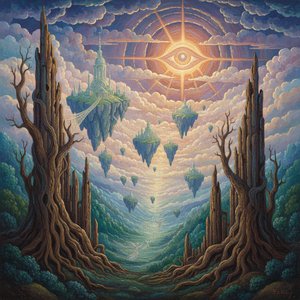
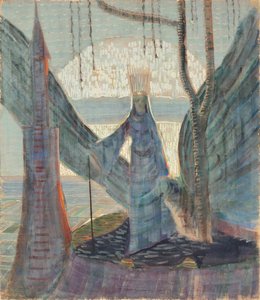
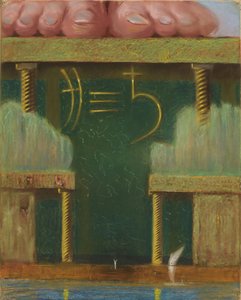
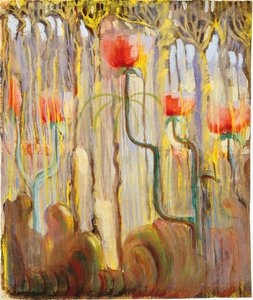
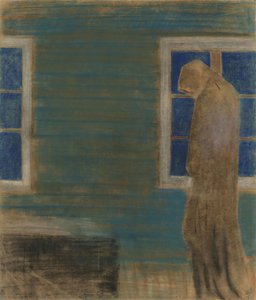
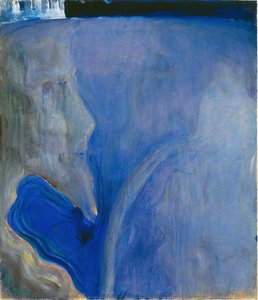
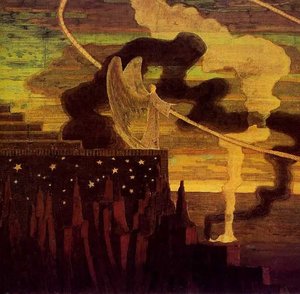
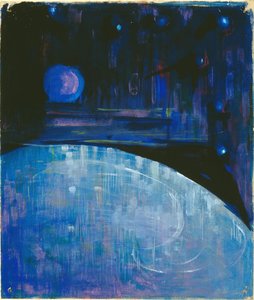
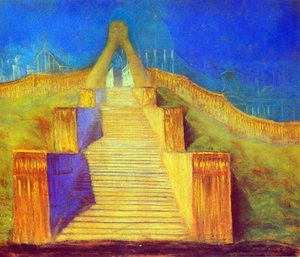
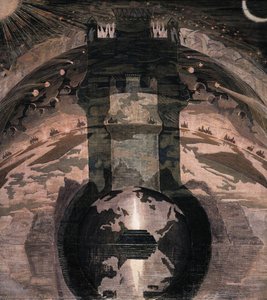
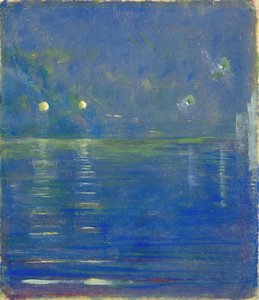
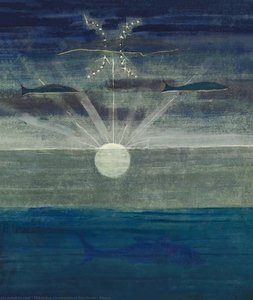
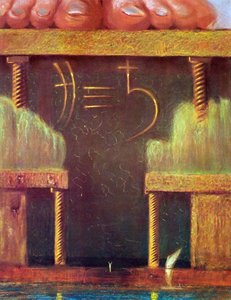
Čiurlionis’s artistic approach is deeply rooted in Symbolism, a movement that eschewed direct representation in favor of conveying emotions and ideas through suggestive imagery. His paintings are often imbued with a dreamlike quality, populated by solitary figures set against vast, atmospheric landscapes—a testament to his profound connection with the natural world. He wasn’t merely depicting scenes; he was attempting to capture the *essence* of those moments, translating them into visual metaphors. The influence of artists like Antoni Sygietyński and Zygmunt Noskowski, both prominent figures in Polish Symbolism, can be discerned in his early works, particularly in their use of color and symbolic imagery. However, Čiurlionis quickly developed a unique voice, forging a path that blended these influences with his own deeply personal vision. His work is notable for its exploration of themes such as solitude, longing, the cycles of nature, and the mysteries of human existence—subjects often approached through a lens of spiritual contemplation.

Major Works and Techniques

Čiurlionis’s oeuvre encompasses a remarkable diversity of media – paintings, musical compositions (including symphonic poems and string quartets), graphic art, and poetry. His most celebrated works include “In the Forest” and “The Sea,” two monumental symphonic poems that vividly capture the sounds and moods of Lithuanian nature. These pieces are not simply musical; they’re visual representations of sound—a testament to Čiurlionis's belief in a fundamental connection between music and painting. His paintings, often characterized by bold color palettes and simplified forms, were revolutionary for their time. He employed techniques such as layering colors to create luminous effects and using abstract shapes to evoke emotions rather than depict concrete objects. The “Angel of Hearth and Home,” though not always definitively attributed to him in some collections, exemplifies this approach—a poignant depiction of domesticity imbued with symbolic meaning.

Museological Significance and Legacy

Mikalojus Konstantinas Čiurlionis’s impact extends far beyond his individual creations. He is considered a pivotal figure in Lithuanian art history, playing a crucial role in the development of national identity and artistic expression. His work has been exhibited extensively throughout Europe and America, solidifying his place as one of the most important Symbolist painters of the early 20th century. The M. K. Čiurlionis National Art Museum in Kaunas serves as a vital repository for his legacy, housing a comprehensive collection of his paintings, musical scores, and literary works. Furthermore, his influence can be seen in various museums and collections across the globe, offering visitors a glimpse into the artist’s visionary world. His work continues to inspire artists and art enthusiasts alike, demonstrating the enduring power of Symbolism and its ability to evoke profound emotions and ideas. His legacy is not just about preserving beautiful paintings; it's about understanding a unique artistic spirit that sought to capture the soul of Lithuania and the mysteries of human experience.

ΚВИΖ Τέχνης

Για κάθε ερώτηση υπάρχει μόνο μία σωστή απάντηση.

Ερώτηση 1:
Ποια ήταν η εθνικότητα του Μικαλούς Κωνσταντίνου Τσιρλόνισκυ;
Ερώτηση 2:
Πού πέρασε τις πρώτες του χρονικές περιόδους σπουδάζοντας μουσική;
Ερώτηση 3:
Με ποιο καλλιτεχνικό κίνημα συνδέεται κυρίως ο Τσιρλόνισκυ;
Ερώτηση 4:
Ποιος πρίγκιπας υποστήριξε τις σπουδές του Τσιρλόνισκυ στο Βίλνιους;


© 2026 mus3ums.com