

Origins and History of the Museum
The Buffalo AKG Art Museum is located in Buffalo, New York. The institution was founded in 1862 as the Buffalo Fine Arts Academy. This makes it one of the oldest public arts institutions in the United States. Its origins are tied to the early cultural development of the region, establishing a foundation for the study and preservation of art in Western New York.
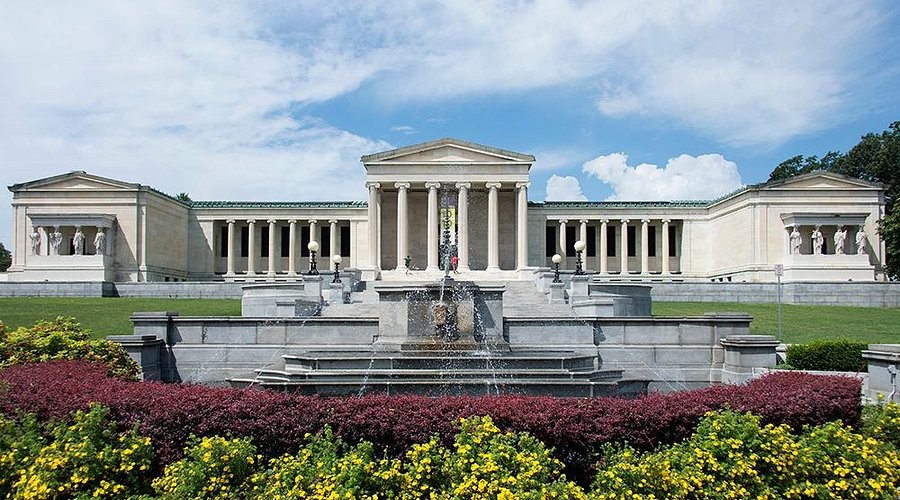
The museum's physical history is linked to the Pan-American Exposition of 1901. It was originally conceived to serve as the Fine Arts Pavilion for that exposition. Following its establishment and various developments, the museum was renamed the Albright–Knox Art Gallery in 1962. Today, the institution is listed in the National Register of Historic Places.
The Evolution of Museum Architecture
The architectural history of the campus reflects a series of distinct stylistic shifts. The original 1905 structure, designed by Edward Brodhead Green, is an example of Beaux-Arts architecture. This building established the initial aesthetic presence of the institution. In 1962, the campus expanded through a modern addition designed by Gordon Bunshaft, which introduced a new architectural vocabulary to the site.
The most recent transformation of the museum was completed in 2023 by Snøhetta and Shohei Shigematsu. This project integrated historical elements with contemporary design. The Jeffrey E. Gundlach Building is a key component of this recent expansion. While new structures define the modern campus, older buildings maintain specialized functions. Clifton Hall now houses archives, offices, and a center for the study of drawings and prints.
A Collection of Modern and Contemporary Art
The museum focuses on modern and contemporary art. The collection includes significant works from the Abstract Expressionism movement and extensive holdings of Pop Art. These movements represent central pillars of the institution's holdings, reflecting the shifts in aesthetic priorities throughout the twentieth century.
The institution is situated in Buffalo, New York, adjacent to Delaware Park. It is located directly opposite Buffalo State University. This placement integrates the museum into the urban and academic fabric of the city.
The holdings include several specific works that illustrate these movements:
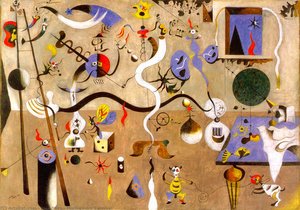
- Harlequin's Carnival, 1925 - Joan Miró
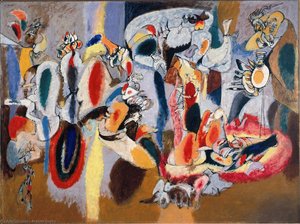
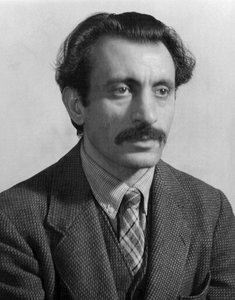
- The Liver is the Cock's Comb, about 1944 - Arshile Gorky
- Portrait of Jacques-François Desmaisons, 1782 - Jacques-Louis David
- Laundress on the Quai d'Anjou, 1860 - Honoré Daumier
Masterpieces of the Art Collection
The collection is defined by its breadth in modern and contemporary movements. Works by Pablo Picasso and Andy Warhol are central to this holdings. The museum also houses significant examples of Expressionism and Pop Art, including Francis Bacon’s Man with Dog and Salvador Dalí’s El simulacro transparente de la imagen falsa. These pieces reflect the shifts in aesthetic thought that the institution has tracked for over a century.
Fauvism is represented by Henri Matisse’s La Música, a work characterized by its use of color and form. The museum's holdings extend into the early 20th century with Joan Miró’s Harlequin's Carnival, about 1925, and Arshile Gorky’s The Liver is the Cock's Comb, about 1944. These works sit alongside older traditions, such as Jacques-Louis David’s Portrait of Jacques-François Desmaisons from 1782 and Honoré Daumier’s Laundress on the Quai d'Anjou, 1860.
- Harlequin's Carnival, about 1925
- The Liver is the Cock's Comb, about 1944