
Origins and History of the Museum
The Hiroshima Museum of Art was founded in 1978. The institution was established by the Bank of Hiroshima to commemorate the 100th anniversary of the bank's foundation. This establishment marked a significant milestone for the local banking institution as it transitioned its centennial celebrations into a permanent cultural contribution.
Located within Hiroshima Central Park in Hiroshima, Japan, the museum occupies a central position in the city's landscape. The site provides a quiet setting for the study of modern art. The museum's origins are tied to this specific urban space, intended to provide a dedicated venue for the preservation and exhibition of significant works.
The Architecture and Museum Layout
The museum is organized across two distinct buildings. The first building is a circular structure, often described as being shaped like a muffin, which houses the European art collection. This architectural form provides a specific rhythm to the viewing experience of the modern European works. The second building is dedicated to other exhibits, providing a separate space for the institution's diverse holdings.
A central circular courtyard connects the spaces. At the heart of this courtyard sits a bronze statue of Venus by Maillol. The museum grounds also include the Cafe de Jardin, which is located within the premises for visitors. The layout is designed to facilitate a quiet, manageable pace through the various galleries.
The European and Japanese Collections
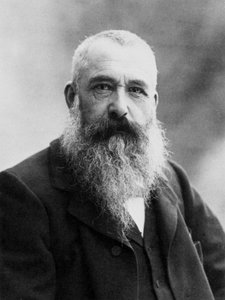
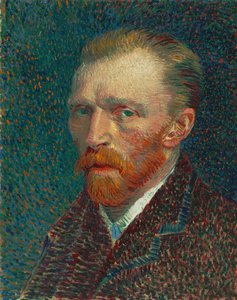
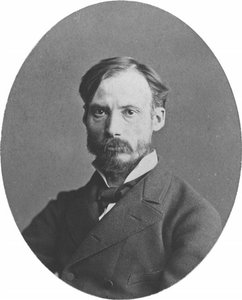
The museum maintains a collection of approximately 90 modern European paintings. This selection focuses on the 150 years of modern European painting, spanning from the French Romantic period to the Ecole de Paris. The holdings include works by artists such as Monet, van Gogh, Cézanne, Renoir, and Picasso.
The second half of the collection consists of approximately 90 works by modern Japanese painters practicing in the Western style, known as yōga. These pieces represent the development of Western-style oil painting in Japan. The collection features leading exponents of the movement, including Kuroda Seiki and Kishida Ryusei.
- The Branch at Croissy, 1911 - Pierre-Auguste Renoir
- The Pont-Neuf, 1902 - Camille Pissarro
- Portrait of Man, 1919 - Amedeo Modigliani
- The Dance - 1st Stage, 1929 - Fernand Léger
Masterpieces and Notable Artworks
The collection contains significant works by Paul Gauguin and Vincent van Gogh. These paintings are part of a selection of European art that spans from Romanticism to the Ecole de Paris. The museum also holds works by Soutine, contributing to the breadth of the modern European holdings. These pieces are displayed within the distinctive round building designed to house the institution's European collection.
Sculptural works are also present in the permanent collection. This includes sculptures by Pierre-Auguste Renoir. The museum holds a study from Rodin’s Monument to Balzac and a maquette of The Burghers of Calais by Rodin. These objects provide a physical counterpoint to the extensive holdings of Impressionist and Post-Impressionist paintings.