
The History of Museu Nacional d'Art de Catalunya
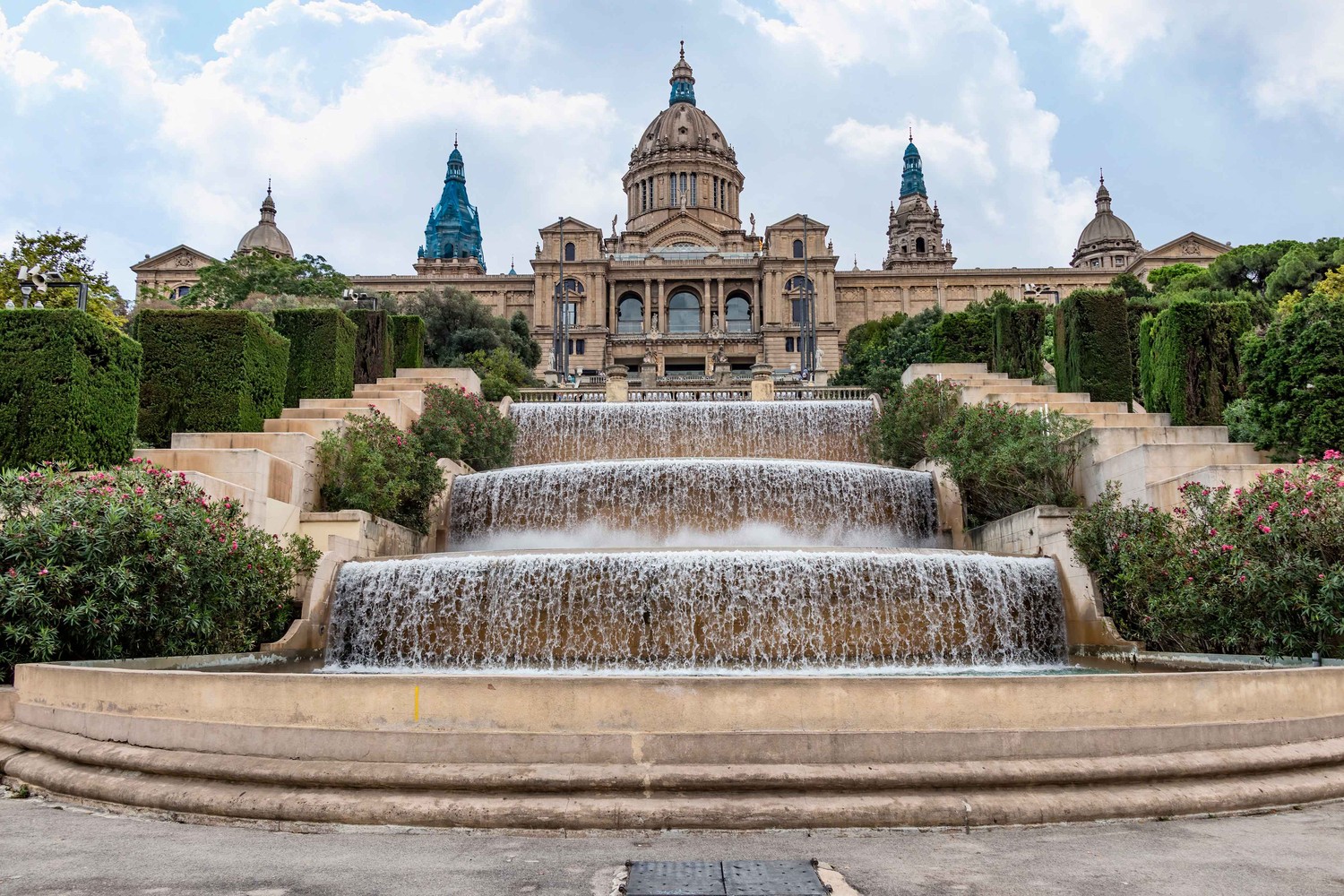
The establishment of the Museu Nacional d'Art de Catalunya occurred in 1934. Since that time, the Palau Nacional has housed the institution's collections. The building was originally conceived as the centerpiece for the 1929 International Exposition. Its architecture reflects the Beaux-Arts style chosen to present Catalan sophistication to an international audience.
The museum's legal status changed in 1990 when it was declared a national museum under the Museums Law. This period of transition preceded a significant renovation process launched in 1992 to prepare the site for the Olympic Games. These efforts ensured the preservation of the collections within the halls of the Palau Nacional. The museum was officially inaugurated on 16 December 2004.
The institution maintains a diverse collection that includes works from several distinct periods. These include:
- Romanesque church paintings
- Gothic altarpieces
- Renaissance and Baroque paintings
- Modernisme and Noucentisme works
The Grandeur of the Palau Nacional
Perched on Montjuïc hill, the Palau Nacional overlooks Barcelona. The building was designed by Josep Puig i Cadafalch and was originally conceived as the centerpiece for the 1929 International Exposition. Its architecture follows the Beaux-Arts style, characterized by a deliberate grandeur and an imposing façade. Intricate sculptures and mosaics decorate the exterior, reflecting the architectural ambitions of the early twentieth century.
The structure underwent significant renovation for the 1992 Olympic Games. This work prepared the halls to safeguard the collections for future generations. The palace remains a physical manifestation of Catalan identity, situated to provide panoramic views of the city below. The building's presence on the hill connects the urban landscape of Barcelona to the historical weight of the Montjuïc heights.
The Romanesque and Gothic Collections
The museum holds the largest and oldest collection of Romanesque panel painting in Europe. This assembly includes over 200 frescoes that were removed from various Pyrenees churches during the early 20th century. These works were reconstructed within architectural settings designed to evoke their original apses. The Romanesque Art section has been open to the public since its reopening in 1995.
The Gothic collection continues the narrative of Catalan religious art through the late medieval period. This section features significant works by Bernat Martorell, Lluís Dalmau, and Jaume Huguet. These pieces represent the transition from the monumental styles of the 12th and 13th centuries toward the more detailed liturgical objects and altarpieces of the later Middle Ages.
- The Archangel St Michael, 1456 - Jaume Huguet
- Altarpiece of the Councillors, 1445 - Lluís Dalmau
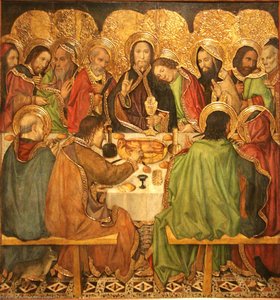
- Last Supper, 1470 - Jaume Huguet
Modernisme and Modern Art Collections
The transition into the late 19th and early 20th centuries is marked by the rise of Modernisme, Catalonia’s specific interpretation of Art Nouveau. This period saw a departure from academic conventions in favor of organic forms and a connection to the natural world. The museum's modern galleries are organized to reflect this shift, deliberately mixing artistic disciplines. Visitors encounter painting alongside furniture, graphic design, and decorative arts, illustrating how the movement permeated the lived environment of the era.
The collection includes the work of Santiago Rusiñol, whose portraits explore psychological complexity. Ramon Casas is also represented, often capturing the essence of Catalan rural life. These artists, alongside the visionary influence of Antoni Gaudí, define a period of intense creativity and the forging of a distinct Catalan aesthetic. The museum also preserves the subsequent Noucentisme movement, which reacted against Modernism by returning to classical ideals while maintaining a local identity.
- A Romance, 1894 - Santiago Rusiñol
- Alley in Genoa, 1894 - Santiago Rusiñol
- The Print Collector, 1866 - Mariano Fortuny y Marsal
- The Spanish Wedding, 1870 - Mariano Fortuny y Marsal
The Thyssen-Bornemisza Collection
The museum hosts the Thyssen-Bornemisza Collection on permanent loan to Barcelona. This assembly consists of 72 paintings and 8 sculptures. These works provide a perspective on European artistic currents that ran parallel to the development of Catalan art. By placing these pieces within the museum, the institution facilitates a dialogue between local traditions and broader continental movements.
The collection includes significant examples of Impressionism. Visitors can observe the works of luminaries such as Monet and Renoir. These paintings represent a period of intense intellectual and social change across Europe. The presence of these works allows for a direct comparison between the stylistic shifts occurring in France and the evolution of art within Catalonia.
The selection covers a variety of movements, including Post-Impressionism and Symbolism. This breadth ensures that the museum's holdings reflect the interconnectedness of European art history. The inclusion of these specific pieces expands the scope of the institution beyond its primary Catalan focus.
Visiting: What to See First
For those with limited time, the Romanesque collection offers the most concentrated experience of the museum. This selection includes monumental church murals originally removed from remote Pyrenees churches. These frescoes are reconstructed within architectural settings that mimic their original apses, allowing for a direct encounter with medieval devotion. The collection spans approximately one thousand years of art, moving from these early religious works through the developments of the Gothic and Renaissance periods.
The Palau Nacional provides a vantage point over the city. From the palace, visitors can observe panoramic vistas of Barcelona unfolding below. This perspective connects the architectural scale of the building to the urban landscape of the city. The museum's layout allows for a transition from these medieval foundations into the later developments of Catalan Modernisme and the 20th-century works found in the modern galleries.
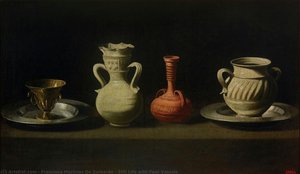
- Still Life with Four Vessels, 1664 - Francisco de Zurbarán
- The Archangel St Michael, 1456 - Jaume Huguet
- The Spanish Wedding, 1870 - Mariano Fortuny y Marsal
- A Romance, 1894 - Santiago Rusiñol