

A Sanctuary of Florentine Spirit: The Hidden Splendor of San Felice
Nestled quietly on the south bank of the River Arno, just a stone's throw from the imposing Pitti Palace, lies a sanctuary that defies the frantic pace of modern Florence. The Church of San Felice is not merely a religious edifice but a profound, living chronicle of Florentine devotion and artistic evolution. For the discerning traveler or the lover of antiquity, stepping into this space feels like crossing a threshold into a more contemplative era. While the city's larger monuments command the spotlight with grandiosity, San Felice offers something far more intimate: a whispered conversation with the masters of the early Renaissance. Its walls, layered with centuries of history, serve as a quiet refuge where the heavy shadows of the Romanesque meet the luminous aspirations of the Renaissance.
The true soul of San Felice resides in its breathtaking collection of frescoes, most notably those attributed to the legendary Giotto di Bondone . To stand before these works is to witness the very moment Western art began to breathe. In masterpieces such as the Sermon to the Birds , one can observe the revolutionary departure from the rigid, symbolic flatness of Byzantine tradition toward a new, visceral naturalism. Giotto’s ability to imbue drapery with weight and faces with human emotion creates a sense of immediacy that remains startlingly modern. These frescoes do not merely depict sacred narratives; they invite the viewer into a world where the divine is interwoven with the tangible beauty of the natural landscape, making the spiritual experience feel profoundly accessible and deeply human.
Architectural Transformation and Historical Endurance
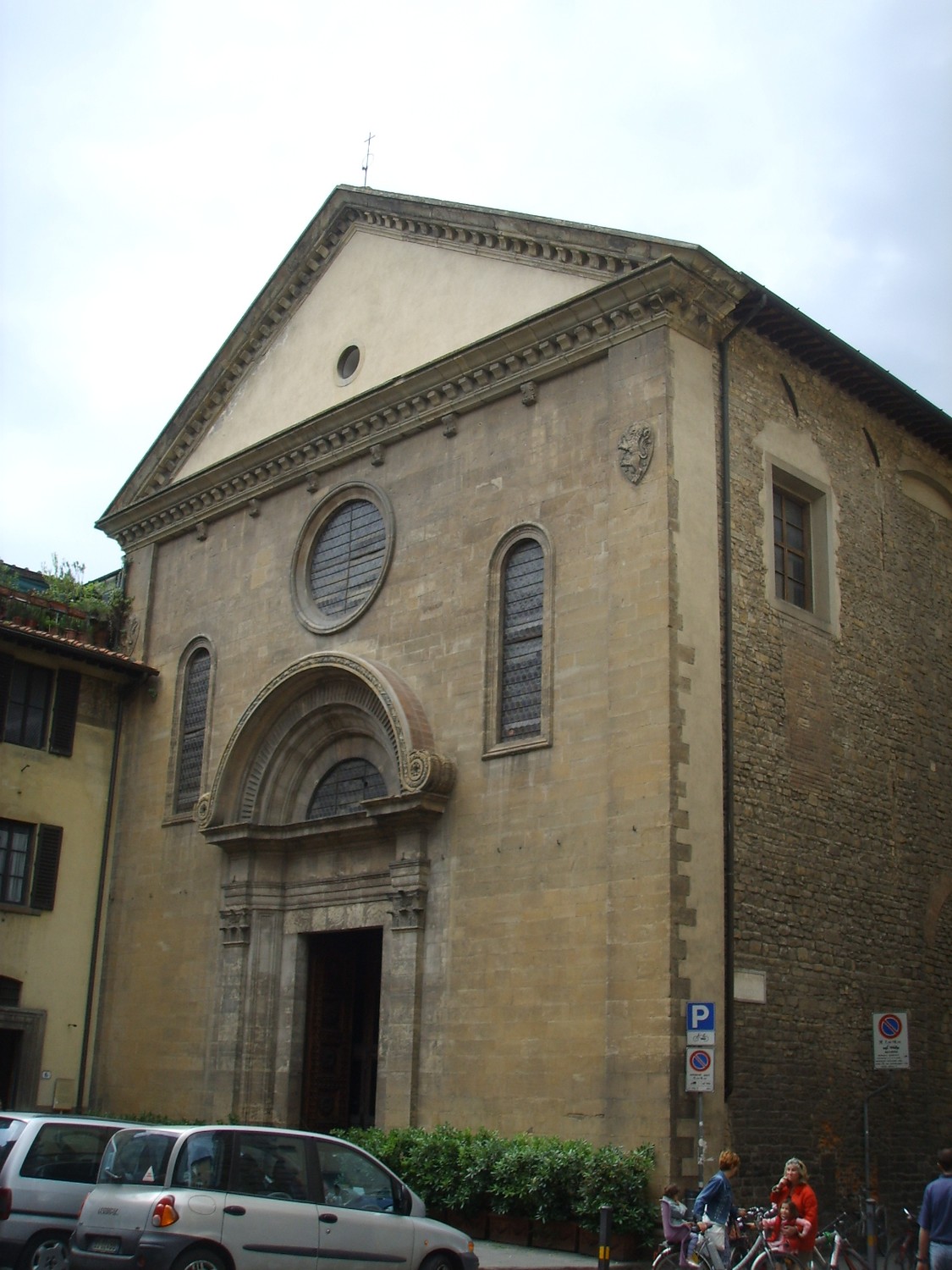
The architecture of San Felice tells a story of transformation and endurance. Originally established as a Benedictine monastery in the 12th century, the structure underwent a significant metamorphosis when it was embraced by the Dominican Order in 1259. This layered history is etched into its very stones, where robust Romanesque foundations provide a sense of eternal stability, while later Renaissance embellishments—including a magnificent façade designed by Michelozzo in 1457—elevate the spirit toward the heavens. The interior space acts as a masterclass in architectural balance, offering a soaring verticality that draws the eye upward, much like the prayers once offered within its hallowed halls.
Beyond its permanent treasures, San Felice has long served as a prestigious stage for scholarly exchange and artistic exhibition, hosting events that have brought the brightest minds of Europe to its quiet cloisters. For the art collector or interior designer, the church represents the pinnacle of aesthetic inspiration—a place where the interplay of light, shadow, and historical texture provides an endless well of creative ideas. It remains a unique destination because it refuses to be a mere relic; it is a sanctuary of authentic cultural immersion, offering a rare opportunity to experience the quiet, powerful heartbeat of Florence’s artistic heritage away from the clamor of the crowds.