


The History and Origins of Schloss Rohrau
Schloss Rohrau is a castle situated in the town of Rohrau in Lower Austria, positioned near the border of Burgenland. The history of this site reaches back to the influence of Agnes of Poitou, the widow of Emperor Henry III, who granted lands extending from Petronell-Carnuntum to Rohrau to Count Palatine Rapoto V of Bavaria. Over the centuries, the ownership of the dominion shifted through various noble hands. In 1404, King Ruprecht granted the castle and its surrounding lands to the Counts of Montfort.
A significant turning point occurred in 1524 when the Counts of Harrach and their descendants took ownership of the estate. The family has maintained a presence here for centuries. During the conflicts of the late sixteenth century, the castle faced significant upheaval when Turkish forces stormed the site in 1593. The resulting damage required extensive repairs, which were carried out between 1599 and 1605.
The Architecture of the Chateau
The structure evolved from a medieval castle, once protected by a moat, into the chateau seen today. This transition from a defensive fortification to a residential manor reflects the changing needs of the nobility over several centuries. The site maintains a presence that connects its fortified origins to its later, more refined purpose.
The facade is designed in the Josephinian Style. This late and rare Baroque style emerged during the reign of Emperor Joseph II in the late 18th century. It offers a distinct aesthetic departure from the more exuberant Baroque movements, favoring a specific restraint. The architectural lines of the building reflect this period of transition in Austrian design.
The Art Collection of the Counts of Harrach
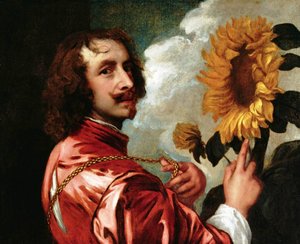
The building houses the art collection of the Counts of Harrach, a gathering of works that has remained within the family since 1524. This assembly represents the largest private collection of Dutch oil paintings in Austria. The presence of these works provides a direct link to the artistic centers of the past, as the collection includes paintings sourced from Naples, Madrid, Rome, Paris, and the Netherlands.
To stand before these canvases is to encounter the specificities of seventeenth-century portraiture and landscape. One such presence is the Head of a boy, painted by Antoon van Dyck about 1630. The work exists here as part of a broader lineage of European art held within the chateau, reflecting the historical reach of the Harrach family's acquisitions across various continental capitals.
Masterpieces of the Schloss Rohrau Collection
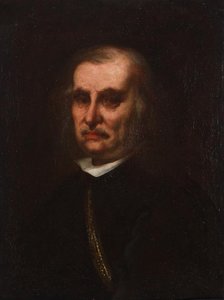
The presence of the Counts of Harrach is felt through a selection of works that reflect the diverse origins of their holdings. One encounters the quiet intensity of Head of a boy, painted by Antoon van Dyck about 1630. Nearby, the portrait of Charles Bonaventure de Longueval, Count of Bucquoy from 1650 by Peter Snayers offers a formal study of status and character. These works exist alongside Charles II as Grandmaster of the Golden Fleece, a 1677 creation by Juan Carreño de Miranda, which brings the weight of Spanish courtly tradition into the Austrian setting.
The collection also holds pieces that depart from formal portraiture to explore different themes and eras. The Concert, dated 1520 by the Master Of The Female Half-Lengths, provides a connection to an earlier period of artistic production. In contrast to these composed scenes, Michael Wutky’s Vesuvausbruch captures a moment of natural upheaval. Each piece remains a distinct entity within the halls of the chateau, contributing to a private assembly that has been maintained by the family and their descendants since 1524.


